
 Dal periodo preistorico al periodo antico – regione di Boka, Herceg Novi Montenegro
Per apprezzare la cultura artistica del Montenegro non ci si può riferire solo ad alcuni monumenti famosi, ma si dovrebbero considerare tutte le opere d'arte di questa regione e le circostanze in cui sono state prodotte e successivamente scoperte, per apprezzare veramente la storia di questo luogo.A volte è anche importante considerare
Dal periodo preistorico al periodo antico – regione di Boka, Herceg Novi Montenegro
Per apprezzare la cultura artistica del Montenegro non ci si può riferire solo ad alcuni monumenti famosi, ma si dovrebbero considerare tutte le opere d'arte di questa regione e le circostanze in cui sono state prodotte e successivamente scoperte, per apprezzare veramente la storia di questo luogo.A volte è anche importante considerare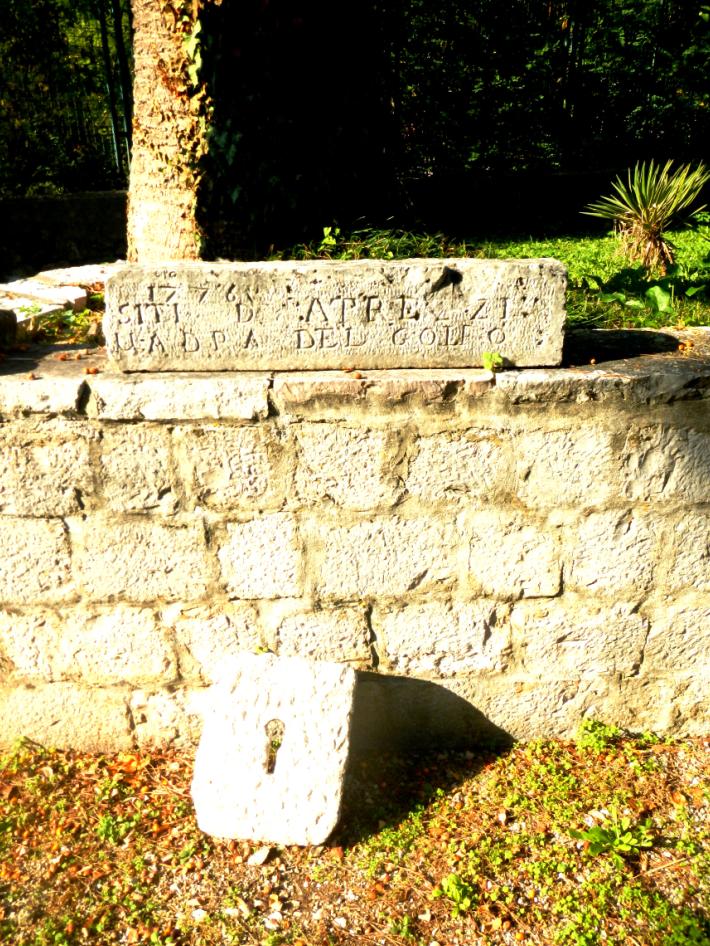
 documentazione allegorica prediletta dagli antichi greci quando si parla dell'arte di questa piccola regione.
Il Montenegro è un paese piccolo, ma il luogo ha "vecchie ossa" ed è una delle regioni più antiche conosciute dalle prime civiltà.Se si pensa alla sua storia, è il v
documentazione allegorica prediletta dagli antichi greci quando si parla dell'arte di questa piccola regione.
Il Montenegro è un paese piccolo, ma il luogo ha "vecchie ossa" ed è una delle regioni più antiche conosciute dalle prime civiltà.Se si pensa alla sua storia, è il v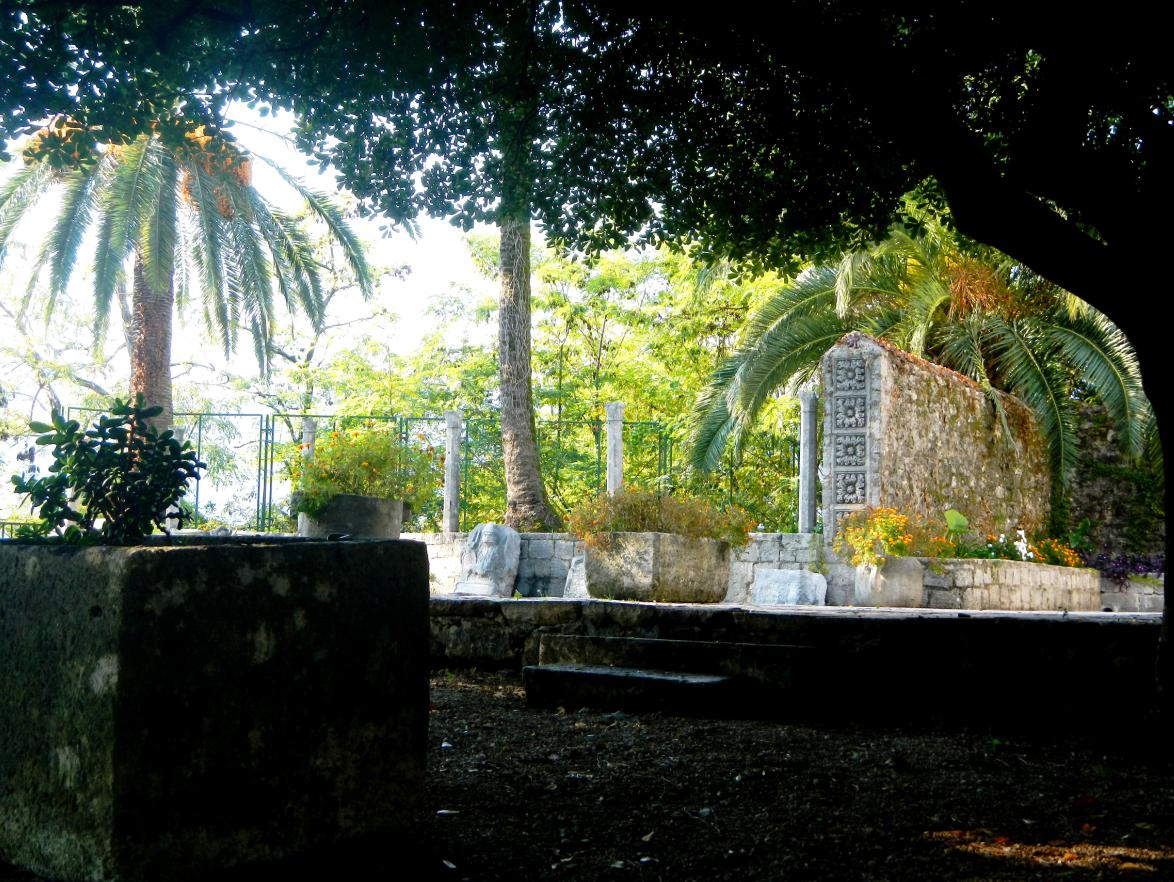 molto difficile definire quello del Montenegro
geografia in diversi periodi storici poiché questa piccolissima regione ha suscitato l'interesse di molte potenze imperialiste nel corso dei secoli.Tra molte guerre, il Montenegro è stato colpito da disastri naturali.Come nella vicina Grecia, i terremoti distruggono periodicamente molti oggetti di importanza storica realizzati dall'uomo, ma ce ne sono ancora molti degni di nota.
Ad esempio, la località di Malo Rose, che risale al VI-X secolo, rappresenta l'inizio del cristianesimo.Della chiesa di San Toma nel villaggio di Kuti e della chiesa nel villaggio di Suscepan sono stati conservati plastici decorativi in pietra, dal IX all'XI secolo, e il tramezzo in pietra dell'altare - parapetto.
La maggior parte del territorio del Montenegro è costituito da formazioni carsiche, ma è anche ricco di bianco
molto difficile definire quello del Montenegro
geografia in diversi periodi storici poiché questa piccolissima regione ha suscitato l'interesse di molte potenze imperialiste nel corso dei secoli.Tra molte guerre, il Montenegro è stato colpito da disastri naturali.Come nella vicina Grecia, i terremoti distruggono periodicamente molti oggetti di importanza storica realizzati dall'uomo, ma ce ne sono ancora molti degni di nota.
Ad esempio, la località di Malo Rose, che risale al VI-X secolo, rappresenta l'inizio del cristianesimo.Della chiesa di San Toma nel villaggio di Kuti e della chiesa nel villaggio di Suscepan sono stati conservati plastici decorativi in pietra, dal IX all'XI secolo, e il tramezzo in pietra dell'altare - parapetto.
La maggior parte del territorio del Montenegro è costituito da formazioni carsiche, ma è anche ricco di bianco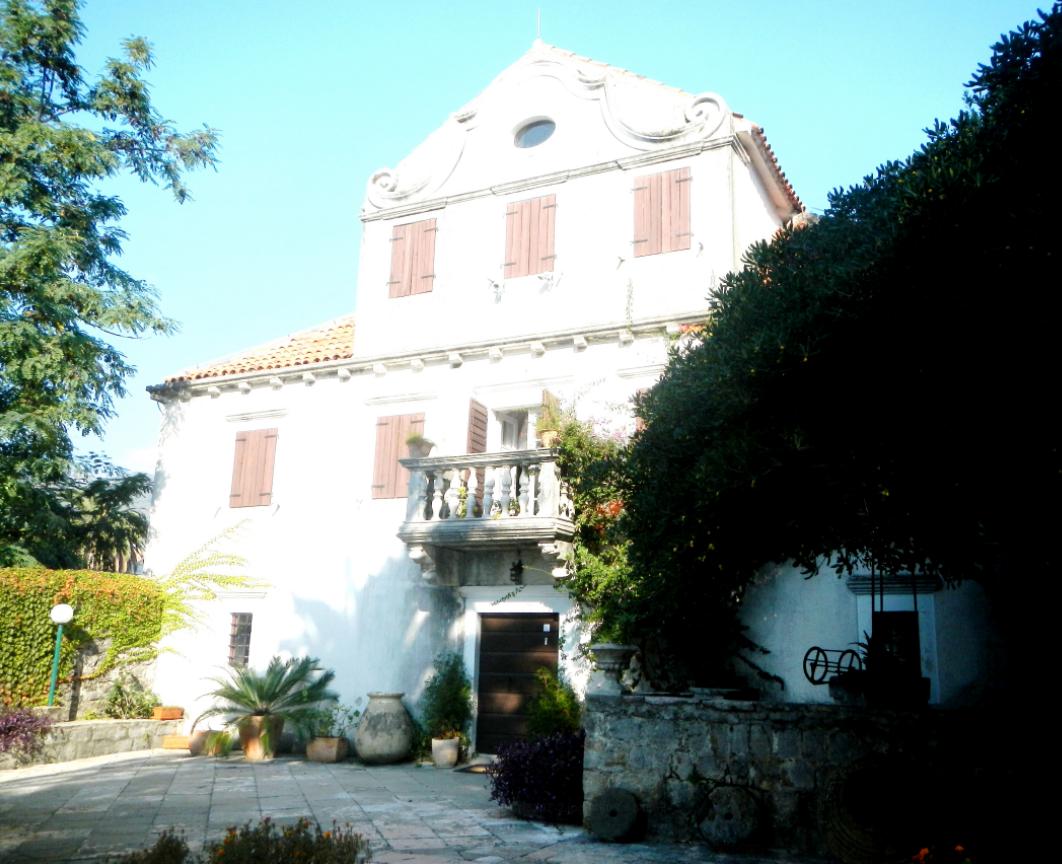 marmo, soprattutto in prossimità dei luoghi dell'antica Doclea.Qui si trova il secondo manicipium romano, che dimostra la dedizione e lo spirito artistico delle genti che vivevano qui poiché la grana del marmo del Montenegro non è fine e compatta ed era molto difficile lavorarla a causa della sua durezza, molto maggiore di quella dei marmi pentelici o di Carrera che sono materiali un po' teneri e più accessibili.
Per secoli il Montenegro è stato considerato un luogo privo di ricchezze materiali e moderne, inaccessibile ai viaggiatori, con un terreno rigido e una bellezza selvaggia molto cruda e incontaminata.La sua semplicità risale a tempi antichi, e si è mantenuta per generazioni e secoli.A testimonianza di ciò sono le forme pure di alcune opere (ancora utilizzate dagli abitanti dei villaggi del nord) come l'antica Coppa con ansa e alto collo cilindrico di terracotta rinvenuta, decorata a larghe fasce e orientate, esposta al Museo.Questo mi ha ricordato la credenza di mia nonna piena di antichissimi piatti di terracotta.Tuttavia, questa particolare opera d'arte rinvenuta nel museo risale al 2100-1900 a.C.
Inoltre due ciotole, scoperte nella regione, contengono piccole particelle di
marmo, soprattutto in prossimità dei luoghi dell'antica Doclea.Qui si trova il secondo manicipium romano, che dimostra la dedizione e lo spirito artistico delle genti che vivevano qui poiché la grana del marmo del Montenegro non è fine e compatta ed era molto difficile lavorarla a causa della sua durezza, molto maggiore di quella dei marmi pentelici o di Carrera che sono materiali un po' teneri e più accessibili.
Per secoli il Montenegro è stato considerato un luogo privo di ricchezze materiali e moderne, inaccessibile ai viaggiatori, con un terreno rigido e una bellezza selvaggia molto cruda e incontaminata.La sua semplicità risale a tempi antichi, e si è mantenuta per generazioni e secoli.A testimonianza di ciò sono le forme pure di alcune opere (ancora utilizzate dagli abitanti dei villaggi del nord) come l'antica Coppa con ansa e alto collo cilindrico di terracotta rinvenuta, decorata a larghe fasce e orientate, esposta al Museo.Questo mi ha ricordato la credenza di mia nonna piena di antichissimi piatti di terracotta.Tuttavia, questa particolare opera d'arte rinvenuta nel museo risale al 2100-1900 a.C.
Inoltre due ciotole, scoperte nella regione, contengono piccole particelle di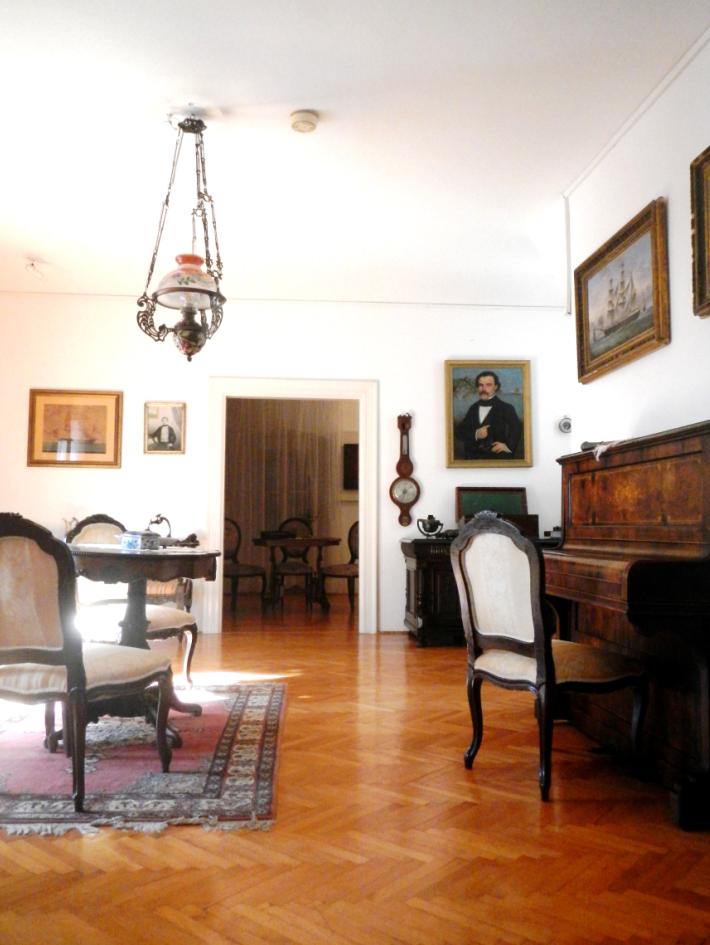 metallo, che ci introduce già al periodo successivo – le prime fasi dei tempi antichi.Oggetti come piccoli arpioni metallici affilati e lance rotte si vedono sugli scaffali polverosi di questo minuscolo museo, e sotto hanno piccole scritte in cirillico sbiadite.L'alfabeto stesso è antico, anche se in questo è comunemente usato l'alfabeto latino
 Nella regione, molte scuole insegnano il cirillico come secondo alfabeto per incoraggiare le nuove generazioni a rimanere fedeli alle sue antiche radici.
In Montenegro, l'età neolitica, con tutte le sue tre fasi ovvero fase inferiore, media e superiore, è rappresentata da manufatti in ceramica utilizzati per la vita quotidiana.Tuttavia, le tracce delle culture eneelitiche sono molte più che di quelle neolitiche, e questo rende più difficile la valutazione dello stile e delle tendenze artistiche.
Alcuni studiosi ritengono che le decorazioni delle ciotole eneelitiche costituiscano una sorta di sistema di segni preistorici utili a identificare razze particolari, ciascuna con il proprio gruppo di simboli.Alcuni invece ritengono che queste decorazioni facciano parte del linguaggio figurativo ed estetico.Uno dei fatti più importanti è che, nonostante le piccole dimensioni del nostro paese, non si può dimenticare l'enorme varietà di tradizioni folcloristiche.
Lo studio etnologico della danza, del ricamo, dell'arte decorativa, dei costumi, dei gioielli, delle incisioni, dei colori dei disegni sulle ciotole di terracotta e dell'arte popolare locale di quasi tutte le città, spiega la grande ondata migratoria dalla costa settentrionale del Mar Nero (la migrazione indoeuropea) che ha avuto un'enorme influenza su quest'area.Sebbene siano evidenti prove scientifiche di numerose migrazioni, gli scienziati non sono in grado di identificare una singola "razza" eneolitica in Montenegro.Sulla base di vari fatti e prove rinvenuti nella regione, si ritiene che vi fossero diverse razze.Ecco perché la storia
Nella regione, molte scuole insegnano il cirillico come secondo alfabeto per incoraggiare le nuove generazioni a rimanere fedeli alle sue antiche radici.
In Montenegro, l'età neolitica, con tutte le sue tre fasi ovvero fase inferiore, media e superiore, è rappresentata da manufatti in ceramica utilizzati per la vita quotidiana.Tuttavia, le tracce delle culture eneelitiche sono molte più che di quelle neolitiche, e questo rende più difficile la valutazione dello stile e delle tendenze artistiche.
Alcuni studiosi ritengono che le decorazioni delle ciotole eneelitiche costituiscano una sorta di sistema di segni preistorici utili a identificare razze particolari, ciascuna con il proprio gruppo di simboli.Alcuni invece ritengono che queste decorazioni facciano parte del linguaggio figurativo ed estetico.Uno dei fatti più importanti è che, nonostante le piccole dimensioni del nostro paese, non si può dimenticare l'enorme varietà di tradizioni folcloristiche.
Lo studio etnologico della danza, del ricamo, dell'arte decorativa, dei costumi, dei gioielli, delle incisioni, dei colori dei disegni sulle ciotole di terracotta e dell'arte popolare locale di quasi tutte le città, spiega la grande ondata migratoria dalla costa settentrionale del Mar Nero (la migrazione indoeuropea) che ha avuto un'enorme influenza su quest'area.Sebbene siano evidenti prove scientifiche di numerose migrazioni, gli scienziati non sono in grado di identificare una singola "razza" eneolitica in Montenegro.Sulla base di vari fatti e prove rinvenuti nella regione, si ritiene che vi fossero diverse razze.Ecco perché la storia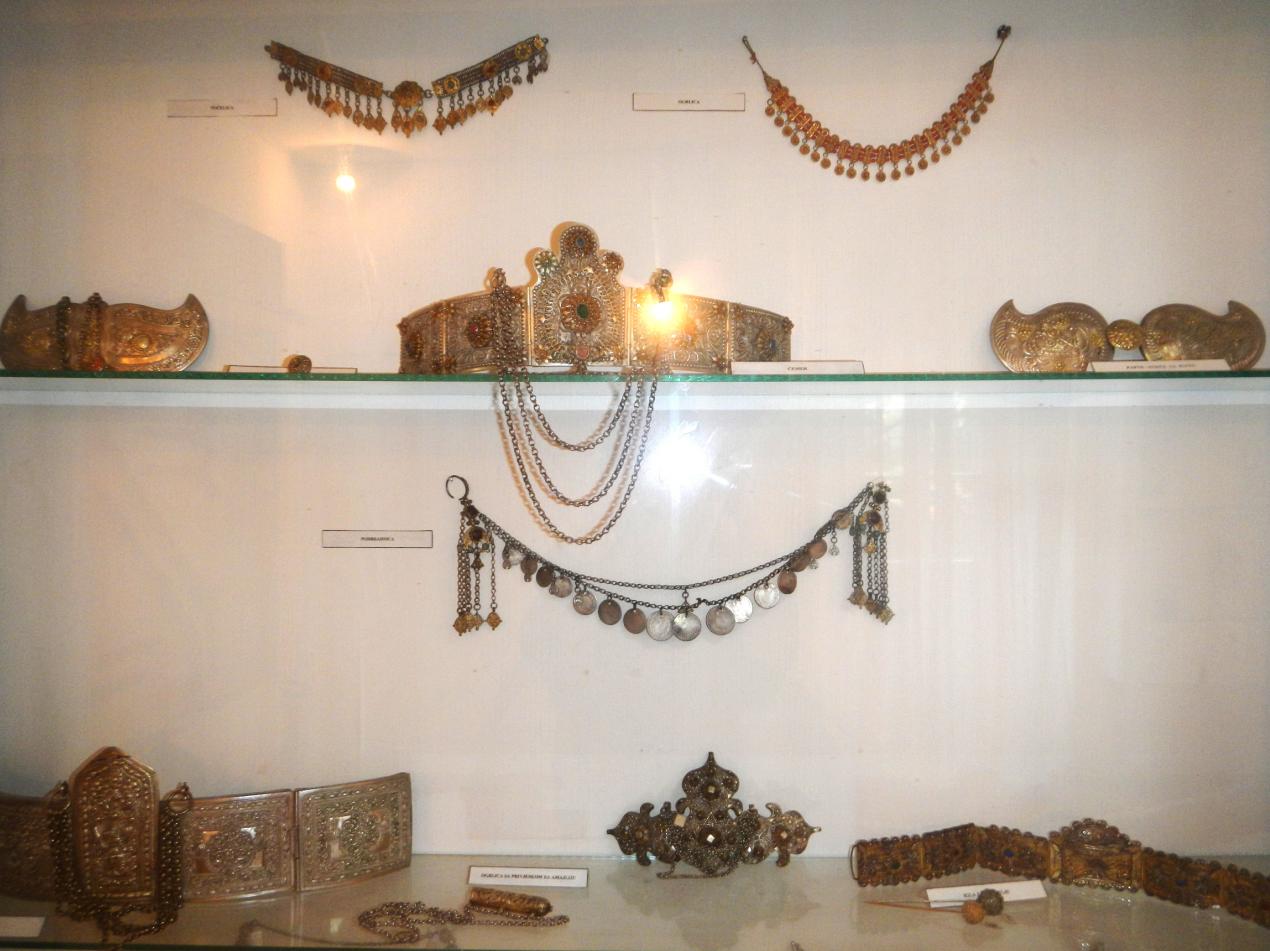 i riani chiamano ancora il popolo eneolitico del Montenegro con il nome generico di "indoeuropei".Con quello in mezzo si rimanda alle seguenti opere d'arte che sono testimonianza della prima
tracce abitative delle comunità umane:
i riani chiamano ancora il popolo eneolitico del Montenegro con il nome generico di "indoeuropei".Con quello in mezzo si rimanda alle seguenti opere d'arte che sono testimonianza della prima
tracce abitative delle comunità umane: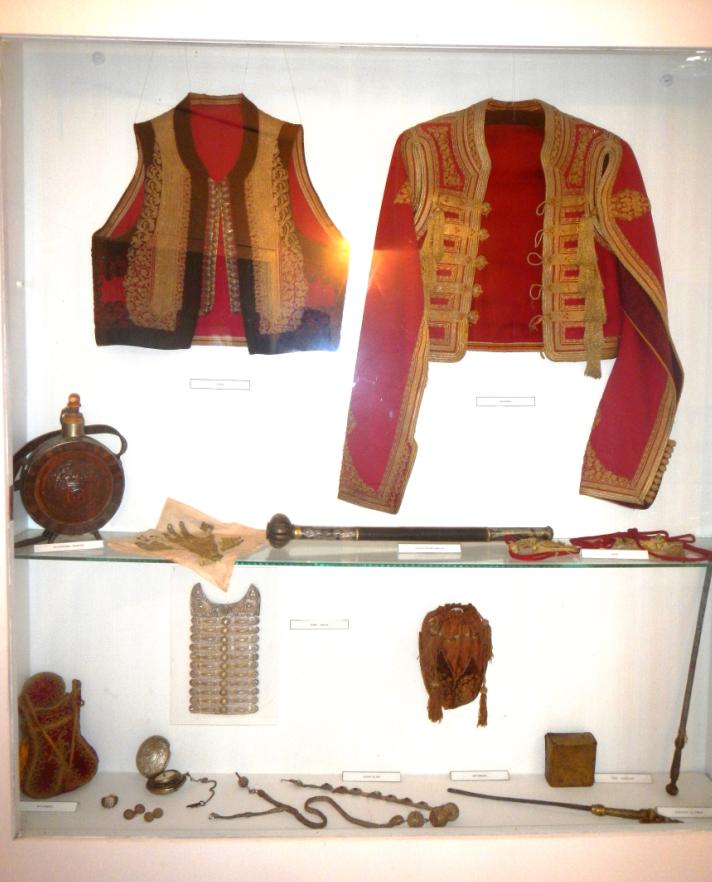 Una di queste abitazioni è stata scoperta nella grotta Vranjaj, sotto la vetta Radostak vicino a Herceg-Novi.Risalgono al Neolitico (5000-4000 a.C.).Un popolamento più intensivo si ebbe nell'Eneolite (2000 – 1700 a.C.) e anche durante l'età del bronzo.Il calice dell'età del bronzo con ornamenti proveniente dalla grotta Vranjaj.Durante l'età del bronzo e del ferro, lo scavo sotto i tumuli era intenso: Glogovik, Vranjaj e Djevojacke Grede.
Nel 1953 la casa di Mirko Komnenic fu trasformata nel Museo Nazionale di Herceg-No
Una di queste abitazioni è stata scoperta nella grotta Vranjaj, sotto la vetta Radostak vicino a Herceg-Novi.Risalgono al Neolitico (5000-4000 a.C.).Un popolamento più intensivo si ebbe nell'Eneolite (2000 – 1700 a.C.) e anche durante l'età del bronzo.Il calice dell'età del bronzo con ornamenti proveniente dalla grotta Vranjaj.Durante l'età del bronzo e del ferro, lo scavo sotto i tumuli era intenso: Glogovik, Vranjaj e Djevojacke Grede.
Nel 1953 la casa di Mirko Komnenic fu trasformata nel Museo Nazionale di Herceg-No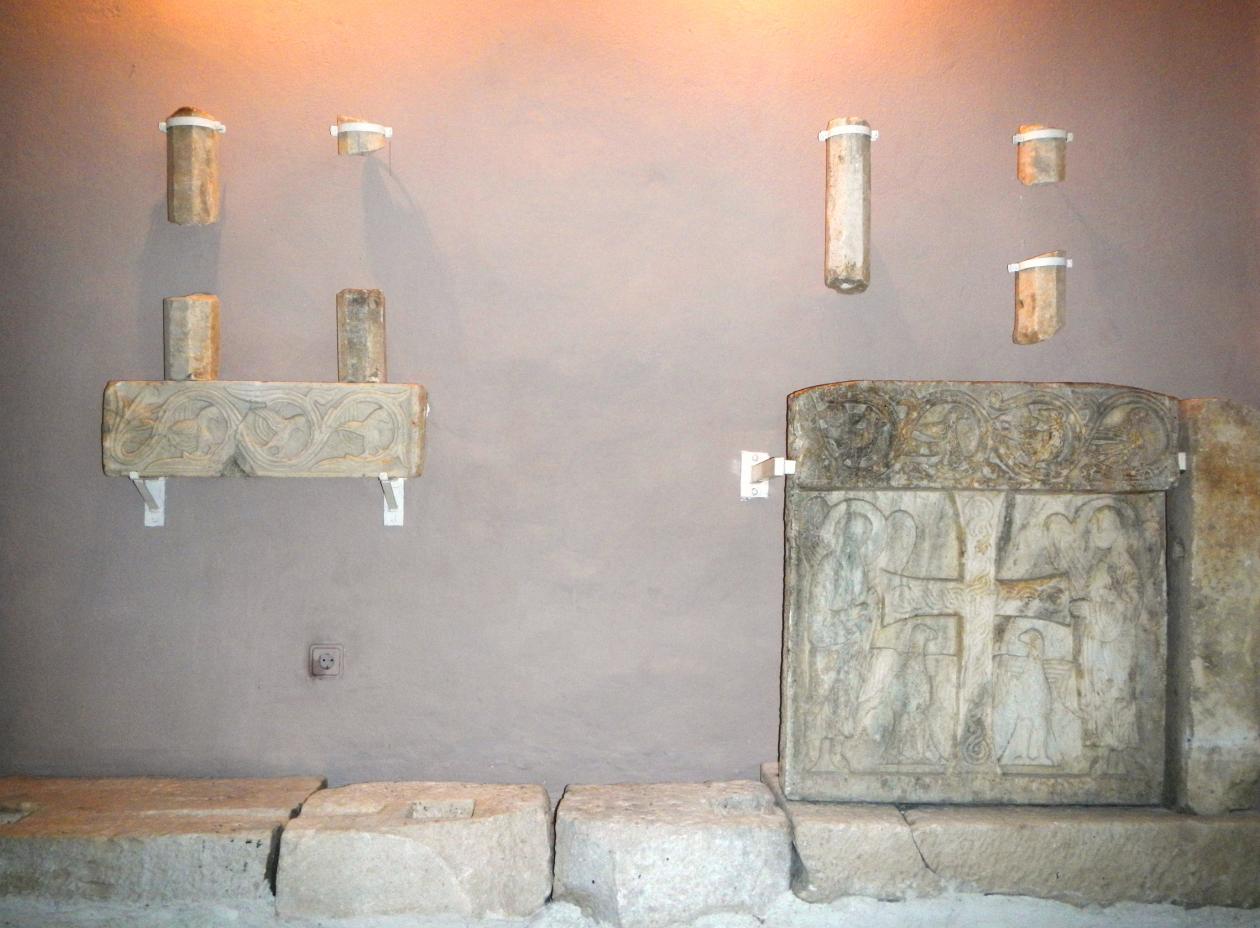 Voi. Si tratta di una bellissima struttura in stile tardo-barocco, costruita alla fine del XVIII secolo.Ampliamenti pseudo-barocchi e aggiunte annesse avevano alterato l'aspetto originale del museo, facendolo sembrare grandioso.
Nomi incisi/incisi con baionette dei soldati russi, risalenti al 1807 durante il
Voi. Si tratta di una bellissima struttura in stile tardo-barocco, costruita alla fine del XVIII secolo.Ampliamenti pseudo-barocchi e aggiunte annesse avevano alterato l'aspetto originale del museo, facendolo sembrare grandioso.
Nomi incisi/incisi con baionette dei soldati russi, risalenti al 1807 durante il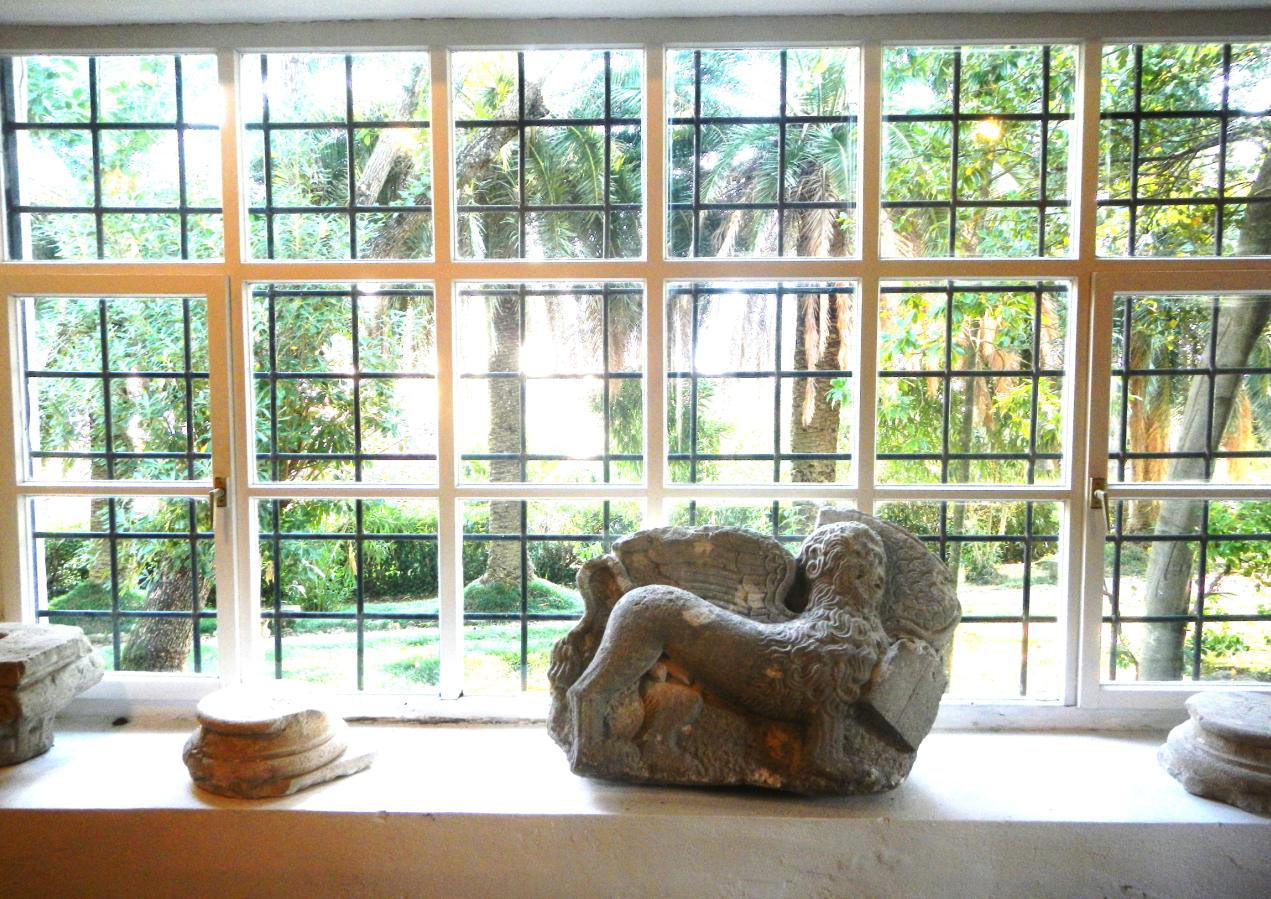 guerra con Napoleone, decorano il portale autentico al piano terra.Successivamente questo edificio ottenne il titolo ufficiale di Museo Regionale di Herceg Novi.Restauri parziali del museo sono avvenuti nel 1979, 1994, 1996 e 2001.
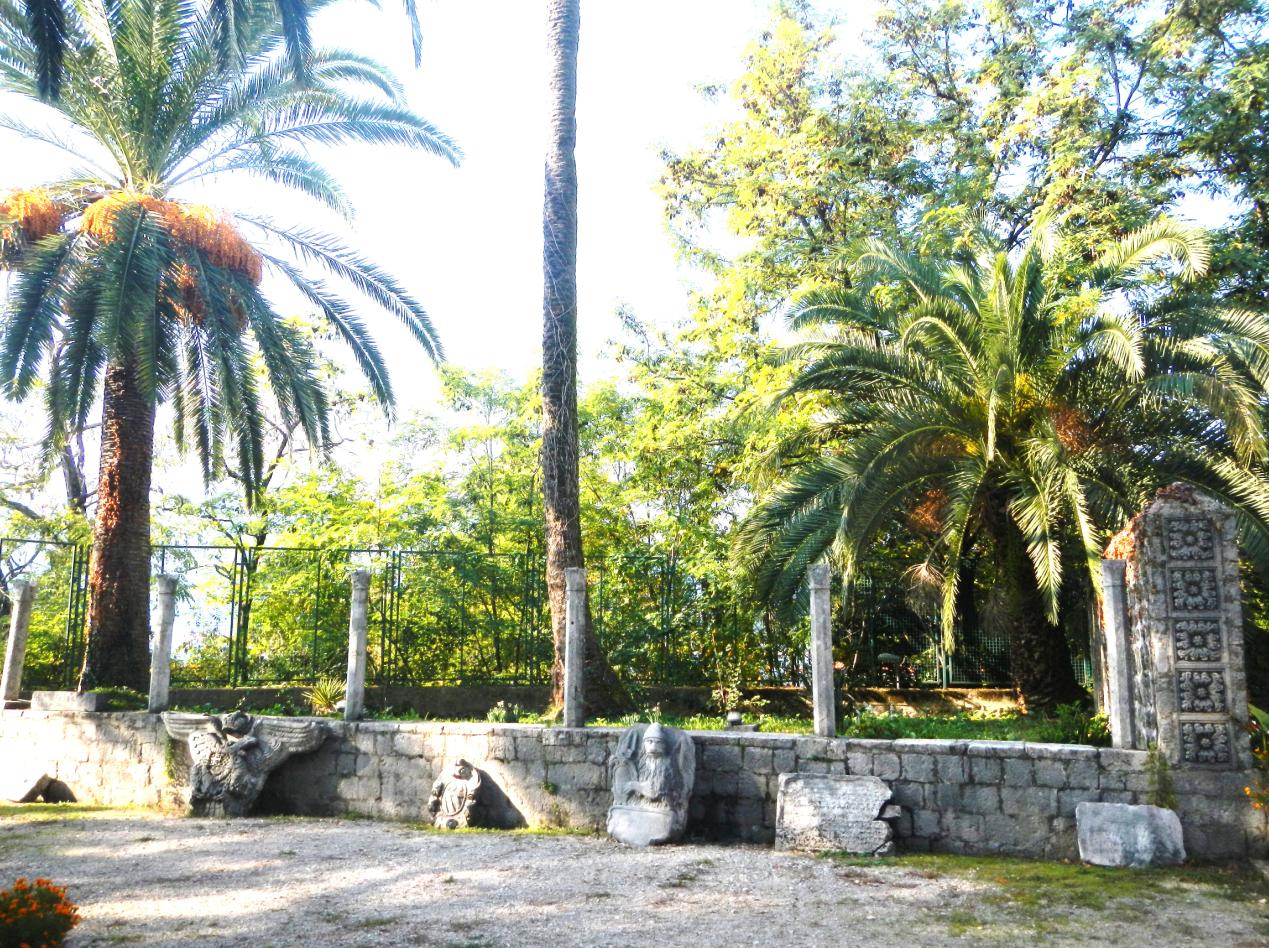
Di fronte al Museo Regionale si trova uno straordinario giardino botanico mediterraneo e subtropicale, con più di un centinaio di piante selezionate, che decorano un parco di 1000 metri quadrati.Molte piante molto esotiche e straordinariamente uniche hanno trovato il loro spazio qui in questo bellissimo giardino.Molti tipi di palme, piante di agave, cactus,
guerra con Napoleone, decorano il portale autentico al piano terra.Successivamente questo edificio ottenne il titolo ufficiale di Museo Regionale di Herceg Novi.Restauri parziali del museo sono avvenuti nel 1979, 1994, 1996 e 2001.
Di fronte al Museo Regionale si trova uno straordinario giardino botanico mediterraneo e subtropicale, con più di un centinaio di piante selezionate, che decorano un parco di 1000 metri quadrati.Molte piante molto esotiche e straordinariamente uniche hanno trovato il loro spazio qui in questo bellissimo giardino.Molti tipi di palme, piante di agave, cactus,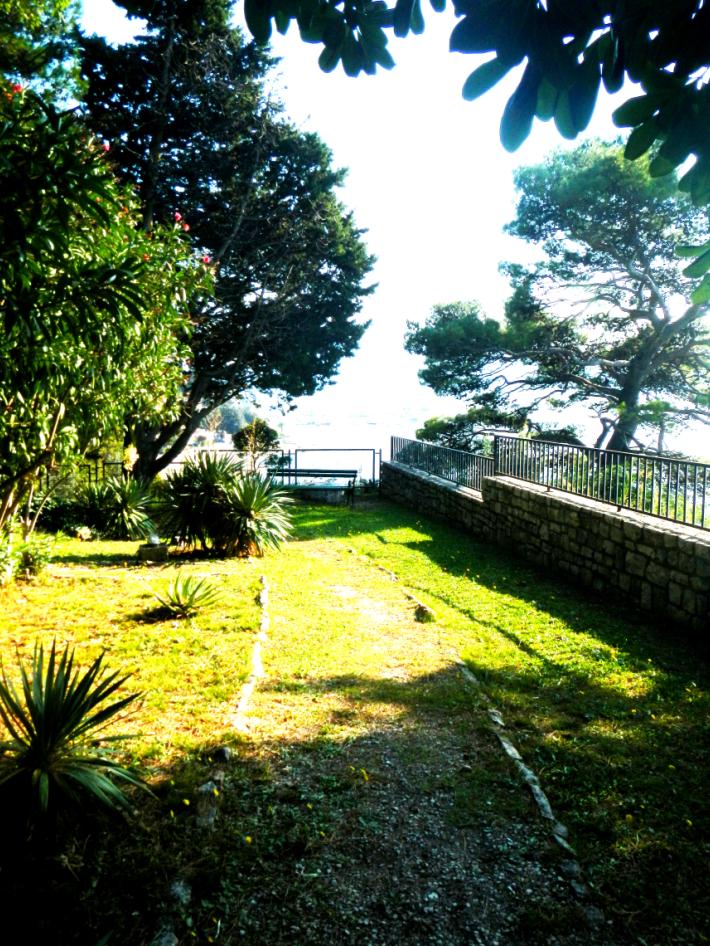 l'aloe e molte altre piante crescono in forme e colori davvero insoliti.Durante la stagione della fioritura, i fiori impreziosiscono l'atmosfera.Qui possiamo trovare diversi tipi di piante rampicanti come i Pitospori, anche i pini costieri, le mimose da fiore, le camelie, le magnolie e le profumate e medicinali erbe mediterranee.
Mirko Komnenic ha donato la sua casa come fondazione alla città di Herceg-Novi.Nel suo testamento biologico voleva che questo edificio fosse utilizzato come museo cittadino.
Mirko Komnenovic fu attivo durante le guerre dei Balcani, lavorò nella propaganda e nei servizi segreti contro l'Austria-Ungheria.Inoltre, fu prigioniero della Torre Mamula durante la Prima Guerra Mondiale.Fu eletto ambasciatore delle Bocche di Cattaro nel Parlamento nazionale della monarchia dei serbi, croati e sloveni nel 1923 e nel 1925. Nel 1930 ricoprì anche la carica di presidente della comunità di Herceg-Novi. Nel 1935 divenne ministro delle politiche sociali e della sanità nazionale.
È stato onorato con molte medaglie.Questi sono uno dei tanti: Aquila Bianca con le spade, San Sava di primo e terzo grado;Russo: 4a classe di San Vladimir, 5a classe di San Stanislav, 2o grado di Sant'Anna;con la Legione d'Onore francese e la croce dell'ufficiale cecoslovacco dei rivoluzionari.
Un altro fatto interessante che dimostra quanto fosse davvero grande quest'uomo è il suo desiderio che tutti i suoi guadagni e proventi fossero donati all'orfanotrofio locale per aiutare gli orfani di Herceg-Novi, indipendentemente dalla loro religione o origine etnica.
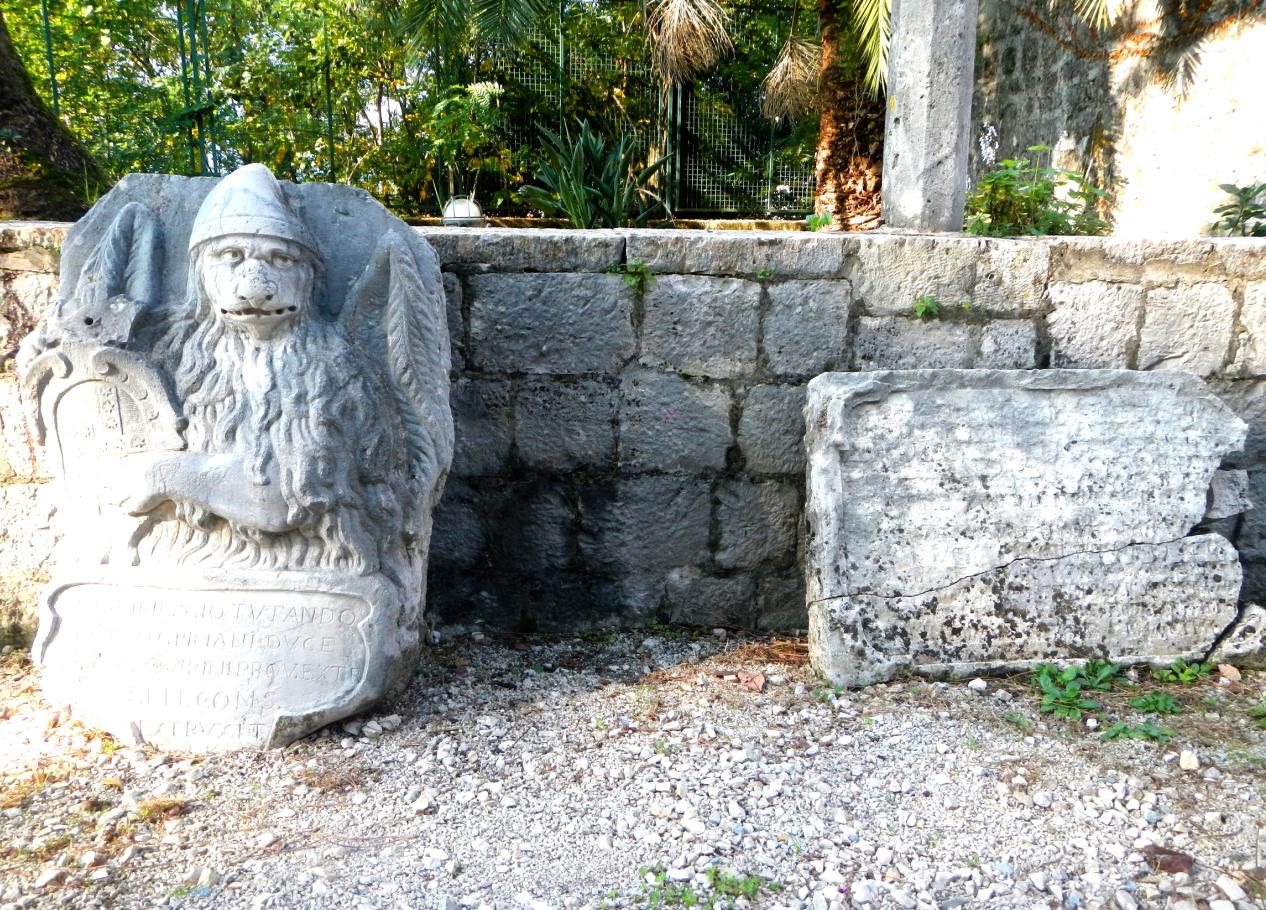
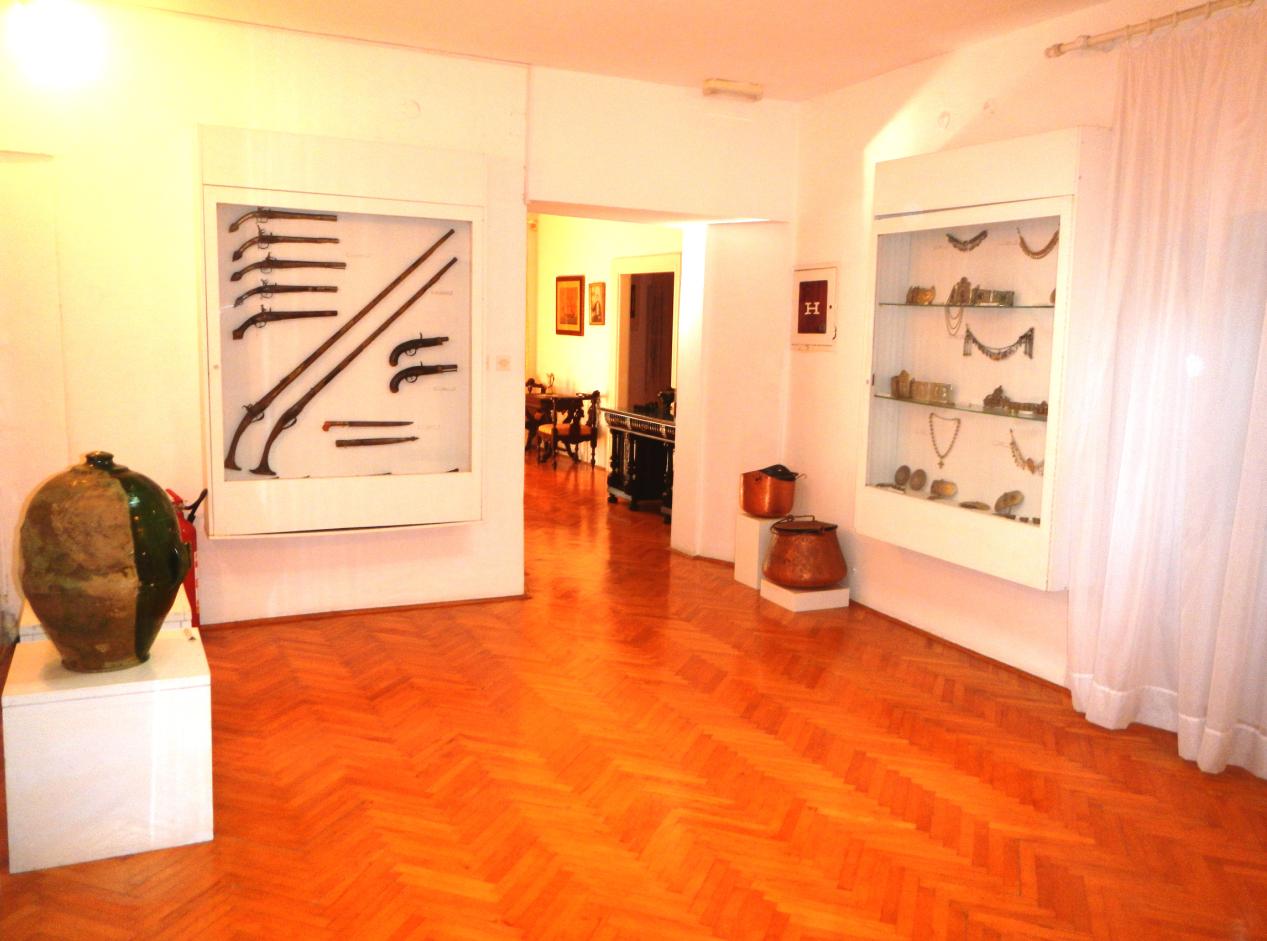
Questo museo ospita una collezione d'arte storica, archeologica, etnologica e di icone.
l'aloe e molte altre piante crescono in forme e colori davvero insoliti.Durante la stagione della fioritura, i fiori impreziosiscono l'atmosfera.Qui possiamo trovare diversi tipi di piante rampicanti come i Pitospori, anche i pini costieri, le mimose da fiore, le camelie, le magnolie e le profumate e medicinali erbe mediterranee.
Mirko Komnenic ha donato la sua casa come fondazione alla città di Herceg-Novi.Nel suo testamento biologico voleva che questo edificio fosse utilizzato come museo cittadino.
Mirko Komnenovic fu attivo durante le guerre dei Balcani, lavorò nella propaganda e nei servizi segreti contro l'Austria-Ungheria.Inoltre, fu prigioniero della Torre Mamula durante la Prima Guerra Mondiale.Fu eletto ambasciatore delle Bocche di Cattaro nel Parlamento nazionale della monarchia dei serbi, croati e sloveni nel 1923 e nel 1925. Nel 1930 ricoprì anche la carica di presidente della comunità di Herceg-Novi. Nel 1935 divenne ministro delle politiche sociali e della sanità nazionale.
È stato onorato con molte medaglie.Questi sono uno dei tanti: Aquila Bianca con le spade, San Sava di primo e terzo grado;Russo: 4a classe di San Vladimir, 5a classe di San Stanislav, 2o grado di Sant'Anna;con la Legione d'Onore francese e la croce dell'ufficiale cecoslovacco dei rivoluzionari.
Un altro fatto interessante che dimostra quanto fosse davvero grande quest'uomo è il suo desiderio che tutti i suoi guadagni e proventi fossero donati all'orfanotrofio locale per aiutare gli orfani di Herceg-Novi, indipendentemente dalla loro religione o origine etnica.
Questo museo ospita una collezione d'arte storica, archeologica, etnologica e di icone.
.jpg&w=2048&q=75)