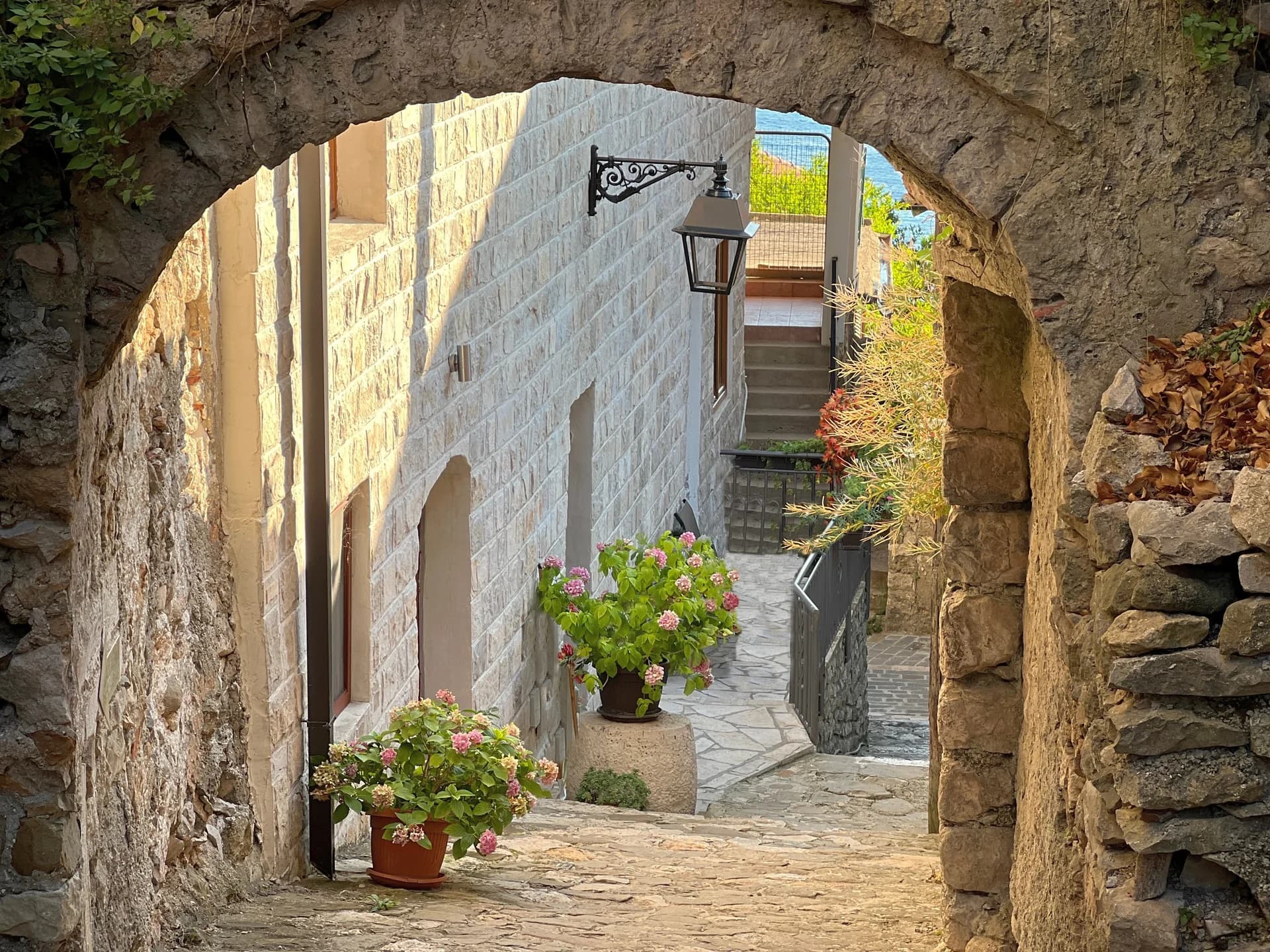
Montenegro is one of those rare destinations that delivers far more than it promises. Tucked along the Adriatic coast between Croatia and Albania, this compact nation — roughly the size of Connecticut — packs an almost absurd density of natural beauty into its borders. Within a single day, you can swim in turquoise waters beneath medieval walls, drive through a canyon deeper than the Grand Canyon, and hike to a glacial lake ringed by 2,500-meter peaks. And yet, despite a surge in popularity over the past decade, Montenegro remains remarkably affordable and refreshingly uncrowded compared to its neighbors.
Whether you are planning a week-long beach holiday, an adventure-packed road trip, or a slow exploration of ancient towns and mountain villages, this guide covers everything you need to know to make the most of your trip to Montenegro in 2026.
Table of Contents
- Why Visit Montenegro
- Montenegro's Three Regions
- Best Time to Visit: Month-by-Month Breakdown
- How to Get There
- Getting Around Montenegro
- Money and Costs
- Language Basics
- Safety in Montenegro
- Visa Requirements
- SIM Cards and WiFi
- Culture and Etiquette
- What to Pack
- Where to Stay
- Frequently Asked Questions
- References
Why Visit Montenegro
Montenegro became an independent nation only in 2006, making it one of Europe's youngest countries. But its history stretches back millennia — Kotor's fortifications were built by the Byzantines, Venetians, and Ottomans; Cetinje served as the capital of a proud kingdom; and the monasteries carved into cliffsides have drawn pilgrims for centuries.
Here is what makes Montenegro stand out in 2026:
Value for money. While Croatia and Greece have seen prices climb steeply, Montenegro remains 30-50% cheaper for accommodation, dining, and activities. A seafood dinner with local wine on the Kotor waterfront will set you back around EUR 25-35 per person — try that in Dubrovnik.
Dramatic landscapes. The UNESCO-listed Bay of Kotor is often called Europe's southernmost fjord. Durmitor National Park (also UNESCO) offers 48 peaks above 2,000 meters. The Tara River Canyon, at 1,300 meters deep, is the deepest in Europe and second deepest in the world after the Grand Canyon.
Compact size. Montenegro is only 180 km from north to south and 120 km east to west. You can drive from the coast to the highest mountains in under three hours.
Growing infrastructure. New roads, renovated airports, and a wave of boutique hotels have made travel here more comfortable than ever, without erasing the authentic character that makes Montenegro special.
Year-round appeal. While summer draws the biggest crowds, Montenegro's ski resorts, mild coastal winters, and shoulder-season hiking make it a genuine four-season destination.
Montenegro's Three Regions
Understanding Montenegro's geography is key to planning your trip. The country divides naturally into three distinct zones, each with its own character, climate, and attractions.
The Adriatic Coast
Stretching 293 km along the Adriatic Sea, Montenegro's coastline is where most visitors spend their time — and with good reason. The coast includes the spectacular Bay of Kotor (Boka Kotorska), a series of interconnected bays surrounded by steep mountains that create one of the Mediterranean's most dramatic settings.
Key destinations: Kotor (medieval walled town, UNESCO site), Budva (beaches and nightlife), Tivat (Porto Montenegro marina, upscale dining), Herceg Novi (botanical gardens, Ottoman and Venetian architecture), Perast (Baroque elegance, Our Lady of the Rocks), Sveti Stefan (the iconic island-hotel), Ulcinj (12 km Long Beach, Albanian-influenced culture), Petrovac (family-friendly, two beaches).
Best for: Beach holidays, history, nightlife, sailing, food, and photography.
Central Mountains
The heartland of Montenegrin identity, the central mountain region is defined by Lake Skadar (the Balkans' largest lake), the old royal capital of Cetinje, and the sacred peak of Lovćen. This area offers a counterpoint to the coast's tourist bustle — quieter, greener, and steeped in tradition.
Key destinations: Cetinje (museums, monasteries, the former royal palace), Lovćen National Park (Njegos Mausoleum at the summit, panoramic views), Lake Skadar National Park (birdwatching, kayaking, wine villages), Podgorica (the capital — underrated, with good restaurants and the Millennium Bridge).
Best for: Cultural tourism, wine tasting, birdwatching, scenic drives, off-the-beaten-path exploration.
The North
Wild, mountainous, and sparsely populated, northern Montenegro is adventure territory. Durmitor National Park dominates the landscape with its glacial lakes, dense pine forests, and craggy peaks. The Tara River carves its famous canyon through the region, while the Piva Canyon and its reservoir add yet more drama.
Key destinations: Zabljak (gateway to Durmitor, Black Lake), Kolasin (ski resort town, Biogradska Gora rainforest), Pljevlja (Ottoman mosque, monastery), Mojkovac (winter sports, Biogradska Gora entry point).
Best for: Hiking, skiing, rafting, canyoning, nature photography, solitude.
Best Time to Visit
Montenegro's climate varies dramatically between coast and mountains. Here is a month-by-month breakdown to help you choose.
January and February
- Coast: 8-12 C, occasional rain. Kotor and Herceg Novi are quiet and atmospheric. Perfect for off-season city exploration.
- Mountains: Heavy snow. Ski season in full swing at Kolasin and Zabljak. Lift tickets around EUR 25/day.
- Crowds: Minimal. Prices at their lowest.
March and April
- Coast: 12-18 C, spring blooms. Mimosa Festival in Herceg Novi (February/March). Easter brings local celebrations.
- Mountains: Snow melting at lower elevations. Ski season winds down mid-March. Waterfalls at their most spectacular.
- Crowds: Low. Excellent value.
May
- Coast: 20-25 C, warm enough for swimming by late May. Wildflowers everywhere. Many consider this the best month to visit.
- Mountains: Hiking trails opening up. Lush and green.
- Crowds: Moderate. Sweet spot of good weather and manageable tourism.
June
- Coast: 25-30 C. Full beach season begins. Sea temperature around 22 C.
- Mountains: Perfect for hiking. Durmitor at its most accessible.
- Crowds: Building but not yet peak. Great balance.
July and August
- Coast: 30-35 C. Peak season. Beaches are busy, especially Budva. Sea temperature 24-26 C. Nightlife at its best.
- Mountains: Warm days (25-30 C), cool nights. Ideal for Tara River rafting.
- Crowds: High. Book accommodation 2-3 months ahead. Prices peak.
September
- Coast: 25-28 C. Sea still warm (23-24 C). Crowds thin dramatically after the first week. Many locals consider this the best beach month.
- Mountains: Excellent hiking. Autumn colors begin late September.
- Crowds: Dropping fast. Outstanding value meets great weather.
October
- Coast: 18-22 C. Swimming still possible early month. Grape harvest season. Quieter but most businesses still open.
- Mountains: Spectacular fall foliage. Some higher trails close.
- Crowds: Low. Bargain accommodation.
November and December
- Coast: 12-16 C. Rainy season. Some restaurants and hotels close, but major towns remain lively.
- Mountains: First snows. Ski season typically begins mid-December.
- Crowds: Very low except New Year holiday period.
The verdict: For the best overall experience, visit in May, June, or September. For beaches specifically, July through mid-September. For skiing, January and February. For rock-bottom prices with decent weather, October.
How to Get There
By Air
Montenegro has two international airports:
Podgorica Airport (TGD) — The capital's airport, 12 km south of the city center. Served by Ryanair, Wizz Air, Turkish Airlines, and Montenegro Airlines successor Air Montenegro. Year-round connections to major European hubs. Taxi to Podgorica center costs around EUR 15-20.
Tivat Airport (TIV) — Right on the coast, 4 km from Tivat center and 8 km from Kotor. Extremely convenient for a coastal holiday. Seasonal and year-round flights from London, Moscow, Belgrade, and others. A taxi to Kotor costs around EUR 20-25.
Dubrovnik Airport (DBV), Croatia — Just 30 km from the Montenegrin border and 90 km from Kotor. Often has the cheapest and most frequent flights from Western Europe. You cross one border (Croatia to Montenegro), which typically takes 15-45 minutes depending on season. Pre-book a transfer (around EUR 40-60 per car) or take a bus.
Pro tip: Compare all three airports on Skyscanner or Google Flights. Flying into Dubrovnik and out of Podgorica (or vice versa) lets you do a one-way trip through the country without backtracking.
By Bus
International buses connect Montenegro to Serbia (Belgrade, 8-10 hours), Bosnia (Sarajevo, 6 hours), Albania (Shkoder, 2.5 hours), and Croatia (Dubrovnik, 2-3 hours). The main bus stations are in Podgorica, Budva, Kotor, and Herceg Novi. Check schedules at busticket4.me or getbybus.com.
By Car
Driving into Montenegro is straightforward. Border crossings with Croatia (Debeli Brijeg), Bosnia (Scepan Polje), Serbia (Dobrakovo), Albania (Sukobin/Muriqan), and Kosovo (Kulina) are generally efficient outside peak summer weekends.
By Ferry
No regular international ferry service currently operates to Montenegro, though cruise ships dock at Kotor regularly. A useful local ferry crosses the Bay of Kotor between Kamenari and Lepetane (EUR 4.50 per car, runs every 10-15 minutes), saving a 45-minute drive around the bay.
Getting Around Montenegro
Rental Car (Recommended)
A rental car is the best way to explore Montenegro, especially if you want to visit the mountains or discover hidden beaches. Expect to pay EUR 25-50/day for a small car in summer, less in shoulder season. Book through Localrent.com or Sixt for competitive rates.
Driving tips:
- Roads are generally good on the coast and main highways. Mountain roads can be narrow and winding — drive with caution.
- The new highway section from Podgorica toward the coast (Smokovac-Mateševo) has dramatically improved travel times.
- Speed limits: 50 km/h in towns, 80 km/h on open roads, 100-130 km/h on highway sections.
- Headlights must be on at all times while driving.
- Snow tires or chains are legally required from November through April on mountain roads.
- Parking in Kotor Old Town and Budva Old Town is extremely limited in summer. Use the paid lots outside the walls (EUR 1-3/hour).
Bus
Montenegro's bus network connects all major towns. It is affordable (Kotor to Budva is about EUR 3-4, Podgorica to Kotor around EUR 8-10) and reasonably frequent on coastal routes. However, buses to northern destinations are less frequent, and journey times through mountains can be long. The Podgorica to Zabljak bus takes around 3 hours.
Taxi and Ride-Hailing
Taxis are widely available in all towns. Insist the meter is running or agree on a price beforehand. Typical rates are EUR 0.80-1.20 per kilometer. Ride-hailing apps are limited — some locals use CarGo (a regional app), but it is not as reliable as Uber or Bolt, which do not operate here.
Boat and Water Taxi
In the Bay of Kotor, water taxis and small boats offer scenic transport between towns. In summer, tourist boats run from Budva to Sveti Stefan and Sveti Nikola Island. Prices range from EUR 5-25 depending on the route.
Money and Costs
Montenegro uses the euro (EUR) as its official currency, even though it is not an EU member state. This makes things simple for European visitors — no currency exchange needed.
Credit cards are widely accepted in hotels, restaurants, and shops in tourist areas. Smaller konobas (traditional restaurants), rural guesthouses, and market stalls may be cash-only. ATMs are plentiful in all towns.
Daily Budget Estimates
Budget traveler (EUR 40-60/day):
- Hostel dorm or basic guesthouse: EUR 12-25
- Bus transport: EUR 3-8
- Street food and bakery meals: EUR 8-15
- One sit-down meal: EUR 8-12
- Free activities (beaches, hiking, old towns): EUR 0
- Total: EUR 40-60
Mid-range traveler (EUR 80-120/day):
- Private room or apartment: EUR 35-60
- Rental car share or occasional taxi: EUR 15-25
- Cafe breakfast, restaurant lunch, nice dinner: EUR 30-45
- One paid activity (boat trip, museum, etc.): EUR 10-20
- Total: EUR 80-120
Luxury traveler (EUR 200+/day):
- Boutique hotel or luxury apartment: EUR 100-250
- Rental car: EUR 30-50
- Fine dining and wine: EUR 60-100
- Premium activities (private boat, guided tours): EUR 50-100
- Total: EUR 200-500+
Tipping: Not obligatory but appreciated. Rounding up the bill or leaving 10% at restaurants is the norm. Leave a euro or two for exceptional service at cafes.
Language Basics
The official language is Montenegrin, which is mutually intelligible with Serbian, Croatian, and Bosnian. Both Latin and Cyrillic scripts are used, though Latin dominates on the coast and in tourist areas.
English is widely spoken in tourist destinations, especially by younger Montenegrins. You will have no trouble communicating in Kotor, Budva, and Tivat. In rural areas and among older residents, knowledge of English drops off. Italian is understood along parts of the coast due to historical Venetian influence. Russian is widely spoken due to years of Russian tourism.
Essential Phrases
| English | Montenegrin (Latin) | Pronunciation |
|---|---|---|
| Hello | Zdravo | ZDRAH-vo |
| Good morning | Dobro jutro | DOH-bro YOO-tro |
| Thank you | Hvala | HVAH-la |
| Please | Molim | MOH-leem |
| Yes / No | Da / Ne | Dah / Neh |
| How much? | Koliko? | KOH-lee-koh |
| Cheers! | Zivjeli! | ZHEE-vyeh-lee |
| The bill, please | Racun, molim | RAH-choon, MOH-leem |
| Beautiful | Lijepo | lee-YEH-po |
| Where is...? | Gdje je...? | GDYEH yeh |
Learning even a few words will earn you warm smiles and better service. Montenegrins deeply appreciate the effort.
Safety in Montenegro
Montenegro is very safe for tourists. Violent crime against visitors is essentially nonexistent, and petty crime rates are low compared to most European destinations. The World Economic Forum ranks Montenegro favorably for tourist safety.
Common-sense precautions:
- Watch for pickpockets in crowded summer areas (Budva Old Town, busy beaches) — standard Mediterranean advice.
- Swimming safety: some beaches have strong currents. Swim at lifeguarded beaches when possible. The Adriatic is generally calm, but watch for sea urchins on rocky coastlines — water shoes are a good investment.
- Mountain driving requires attention, especially on hairpin bends with no guardrails. The Kotor serpentine road and the P1 road through Lovćen demand alert driving.
- Tap water is safe to drink throughout the country.
- Emergency number: 112 (European standard).
Health: No special vaccinations are needed. Medical facilities in Podgorica and coastal towns are adequate for minor issues. European Health Insurance Card (EHIC) holders from EU/EEA countries can access public healthcare. Travel insurance is strongly recommended regardless.
Visa Requirements
Montenegro has a liberal visa regime designed to encourage tourism:
- EU/EEA citizens: No visa required. Stay up to 90 days.
- US, Canadian, Australian, UK citizens: No visa required for stays up to 90 days within any 180-day period.
- Most other nationalities: Check with the Montenegrin Ministry of Foreign Affairs. Many countries enjoy visa-free access for 30-90 days.
Montenegro is not in the EU or Schengen Area, so your time here does not count against your Schengen 90/180 days. This makes it an excellent option for travelers who have exhausted their Schengen allowance.
Registration requirement: By law, tourists must register with police within 24 hours of arrival. Hotels and registered accommodation providers do this automatically. If you are staying with friends or in unregistered accommodation, you technically need to register at the local tourism office — though enforcement is lax.
SIM Cards and WiFi
SIM cards are cheap and easy to get. The three main operators are:
- Crnogorski Telekom (T-Mobile): Best overall coverage, including mountains.
- m:tel: Good coverage, competitive prices.
- One (formerly Telenor): Popular with tourists for simple prepaid plans.
A tourist SIM with 10-20 GB of data costs EUR 5-15 and can be purchased at any operator shop or many kiosks. Bring your passport for registration. Most shops in Podgorica Airport, Tivat Airport, and central Kotor/Budva carry them.
WiFi is available in virtually all hotels, restaurants, and cafes. Speeds are generally good (20-50 Mbps typical, faster in newer establishments). Digital nomads will find the coastal towns increasingly well-equipped, with several coworking spaces in Budva, Kotor, and Tivat.
EU roaming does NOT apply in Montenegro since it is not in the EU. Check with your home provider about roaming charges — they can be steep. A local SIM is strongly recommended for anything beyond a weekend trip.
Culture and Etiquette
Montenegrins are known for their hospitality, humor, and a certain relaxed approach to life that visitors find infectious. Understanding a few cultural norms will enrich your experience:
Greetings: A firm handshake with eye contact is standard when meeting someone. Close friends and family greet with three kisses on alternating cheeks (not two, as in much of Western Europe). Montenegrins say three because the Holy Trinity figures in local culture.
Dining: Meals are social events, often lasting hours. Do not rush. If invited to someone's home, bring a small gift — wine, chocolates, or flowers. Refusing food or drink can be seen as impolite. When someone offers you rakija (fruit brandy), at least take a small sip.
Coffee culture: Coffee is serious business. The traditional method involves finely ground coffee prepared in a small pot (dzezva). Sitting down for coffee is a social ritual, not a caffeine pit stop. Cafe culture is central to daily life — expect to see people lingering over espresso for hours.
Religion: The majority of Montenegrins are Orthodox Christian. When visiting churches and monasteries, dress modestly — cover shoulders and knees. Women may be asked to cover their hair in some monasteries.
Pace of life: Things move at a different rhythm here, especially outside Podgorica. Service in restaurants may feel slow by Northern European or American standards — this is not rudeness but rather the Montenegrin belief that meals should not be hurried. Relax into it.
Negotiation and noise: Montenegrins can be direct and conversations may seem animated. This is normal and not confrontational. Haggling is not common in shops or restaurants but is acceptable at flea markets.
What to Pack
Montenegro's varied terrain and climate mean packing thoughtfully pays off.
Essentials for Any Season
- Passport (and a photocopy stored separately)
- Travel insurance documents
- Euros in cash (for smaller establishments)
- Reef-safe sunscreen (SPF 50 for summer)
- Comfortable walking shoes with good grip (cobblestones are everywhere)
- Light layers — mountain temperatures can drop significantly even in summer
- Power adapter (Type C and F, European two-pin, 230V)
Summer Additions (June-September)
- Swimsuit (bring two — things dry slowly in humid conditions)
- Water shoes (essential for rocky beaches and sea urchins)
- Sun hat and quality sunglasses
- Light, breathable clothing
- A dressy outfit for upscale coastal restaurants
Winter Additions (November-March)
- Warm waterproof jacket
- Base layers for skiing
- Snow-appropriate footwear
- Umbrella (coastal winter is rainy)
Adventure Additions
- Hiking boots for mountain trails
- Daypack with water bladder
- Quick-dry towel (for spontaneous beach stops)
- Snorkeling mask (the underwater world around Lustica Peninsula is excellent)
Where to Stay
Montenegro offers the full spectrum of accommodation, from basic hostels to world-class luxury resorts. Where you base yourself depends on your priorities:
For beaches and nightlife: Budva puts you at the center of the action, with beaches within walking distance and Montenegro's best nightlife. Becici and Rafailovici offer a slightly calmer alternative with excellent beaches.
For history and atmosphere: Kotor's Old Town is unforgettable — staying within the walls means waking up to medieval architecture and cat-filled alleyways. It is the most popular base for good reason.
For luxury and sailing: Tivat's Porto Montenegro neighborhood has transformed this former naval base into a superyacht marina with upscale hotels, restaurants, and boutiques.
For families: Petrovac offers two calm beaches, a pleasant promenade, and a relaxed atmosphere without the party scene.
For adventure: Zabljak is the gateway to Durmitor National Park and Tara River Canyon — essential for hikers, skiers, and rafters.
For authentic character: Herceg Novi, with its Ottoman, Venetian, and Austro-Hungarian layers, feels less touristy than Budva or Kotor while still offering excellent restaurants and unique charm.
At montenegro.com, we connect travelers with verified local hosts offering apartments, villas, and guesthouses across the country — from cliffside studios above the Bay of Kotor to mountain lodges within walking distance of Durmitor's trails. Our host-only 8% commission keeps prices lower than you will find on major platforms, and every listing is personally vetted to ensure quality.
Frequently Asked Questions
Is Montenegro expensive?
No. Montenegro is one of the most affordable Mediterranean destinations. Budget travelers can manage on EUR 40-60 per day, while mid-range travelers will find EUR 80-120 covers comfortable accommodation, good meals, and activities. It is significantly cheaper than Croatia, Greece, or Italy for comparable quality.
How many days do I need in Montenegro?
A minimum of five to seven days lets you see the coast and make an inland excursion. Ten to fourteen days allows you to explore thoroughly, including the north. Even a long weekend focused on the Bay of Kotor is worthwhile. We recommend seven days for a first visit.
Is it safe to drive in Montenegro?
Yes, with reasonable caution. Main roads are in good condition. Mountain roads can be narrow and winding, with some lacking guardrails. Drive defensively, use low gear on steep descents, and avoid driving mountain passes at night if you are unfamiliar with the routes. The Kotor serpentine, while dramatic, is a well-maintained road used daily by locals.
Can I visit Montenegro and Croatia in one trip?
Absolutely. Dubrovnik is only 90 minutes from the Montenegrin border. Many visitors combine the two, using Dubrovnik as a gateway. The border crossing at Debeli Brijeg is straightforward — budget 15-45 minutes in summer. Remember that Croatia is in the EU and Schengen Area while Montenegro is not, so you will go through passport control.
What is the best beach in Montenegro?
It depends on what you are looking for. Jaz Beach near Budva is the most famous. Sveti Stefan's beach has the best views. Velika Plaza in Ulcinj is the longest (12 km). For wild, uncrowded beauty, the beaches of the Lustica Peninsula — especially Zanjic and Miriste — are hard to beat. See our dedicated 25 Best Beaches guide for the full breakdown.
Do I need to speak Montenegrin?
Not in tourist areas. English is widely spoken along the coast and in hotels, restaurants, and shops catering to visitors. In rural areas and the north, you may encounter a language barrier. A translation app and a few basic phrases will bridge any gap. Montenegrins are patient and generous with visitors making an effort.
References
- Montenegro National Tourism Organisation. "Discover Montenegro." montenegro.travel. Accessed February 2026.
- World Bank. "Montenegro Overview." worldbank.org/en/country/montenegro. Updated 2025.
- Numbeo. "Cost of Living in Montenegro." numbeo.com/cost-of-living/country_result.jsp?country=Montenegro. Accessed February 2026.
- Rome2Rio. "How to Get to Montenegro." rome2rio.com. Accessed February 2026.
- Ministry of Sustainable Development and Tourism of Montenegro. "Tourism Statistics 2025." gov.me/en/ministries/tourism. Accessed February 2026.
- European Commission. "Montenegro: Visa Policy." ec.europa.eu. Accessed February 2026.
- World Economic Forum. "Travel and Tourism Competitiveness Report." weforum.org. 2024 Edition.
- Airports of Montenegro. "Flight Information." montenegroairports.com. Accessed February 2026.