
1. Les couleurs vives de la nature
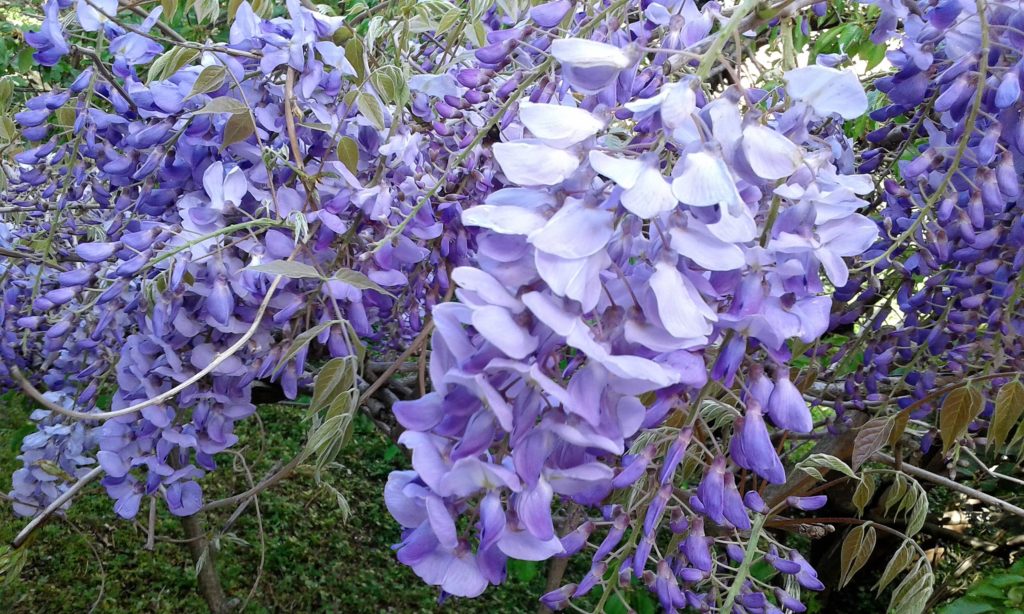
Le Monténégro est riche en couleurs vertes intenses et en tons bleu marine. En février, lorsque la nature s'éveille, le jaune vif s'étend à travers la végétation luxuriante et la dense fleur de Mimosa égaie la léthargie hivernale. Durant la même période, les Camélias habillent les buissons et les arbres, et au printemps c'est une rhapsodie de nuances violettes de Glycine, Magnolia et Hortensia. Nulle part ailleurs vous ne verrez une végétation aussi dense et diversifiée sur un si petit espace. Selon les recherches, le Monténégro est extrêmement riche en espèces végétales ; on y trouve 2 833 espèces et sous-espèces, et c'est l'habitat de 22 plantes uniques.
2. Anciennes forteresses et villes
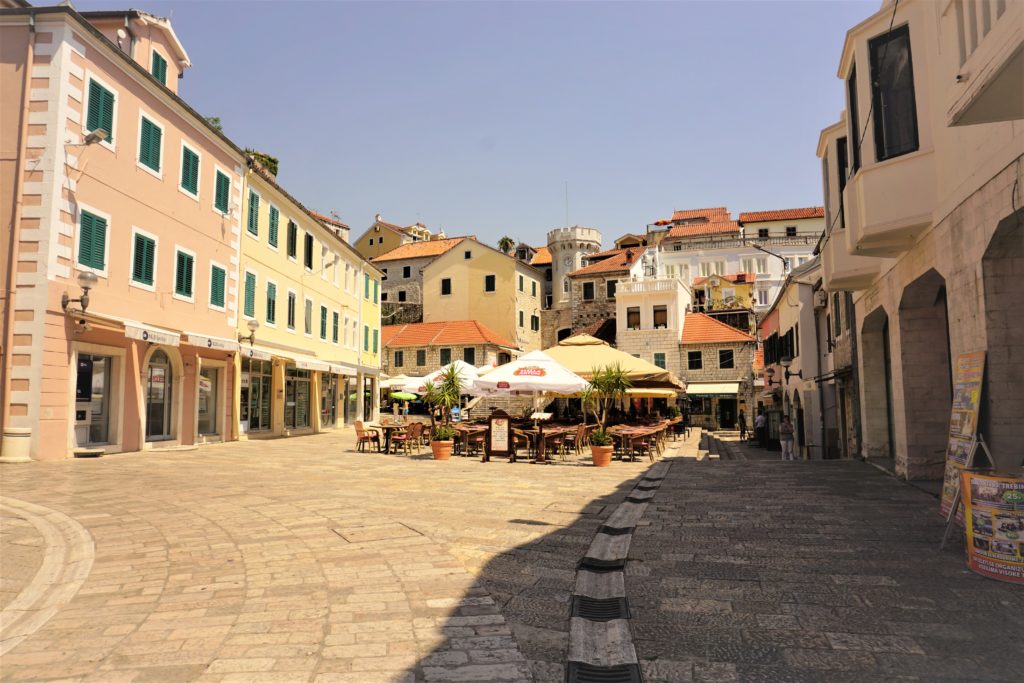
Le Monténégro est fier de son architecture médiévale et de ses nombreuses forteresses, châteaux, églises, monastères et anciens lieux abandonnés qui représentent des monuments historiques ayant survécu à travers les siècles. Less known, unusual and exciting locations that will convey the spirit of the rulers and conquerors, and evoke a way of life centuries back are: Fortress Forte Mare (HN), gutters old village (HN), Fort Mogren (Budva), Fort Vrmac (Tivat- Kotor), Fort Bastion (Niksic) Fortress Grmožur (Bar), Fortress (Fort) Lesendro (Bar), Ancient Roman city Dioklea (Duklja) PG. These and similar structures, you might encounter at every step in Montenegro, and they are the key to understanding the roots of Montenegrin culture.
3. De nombreux festivals
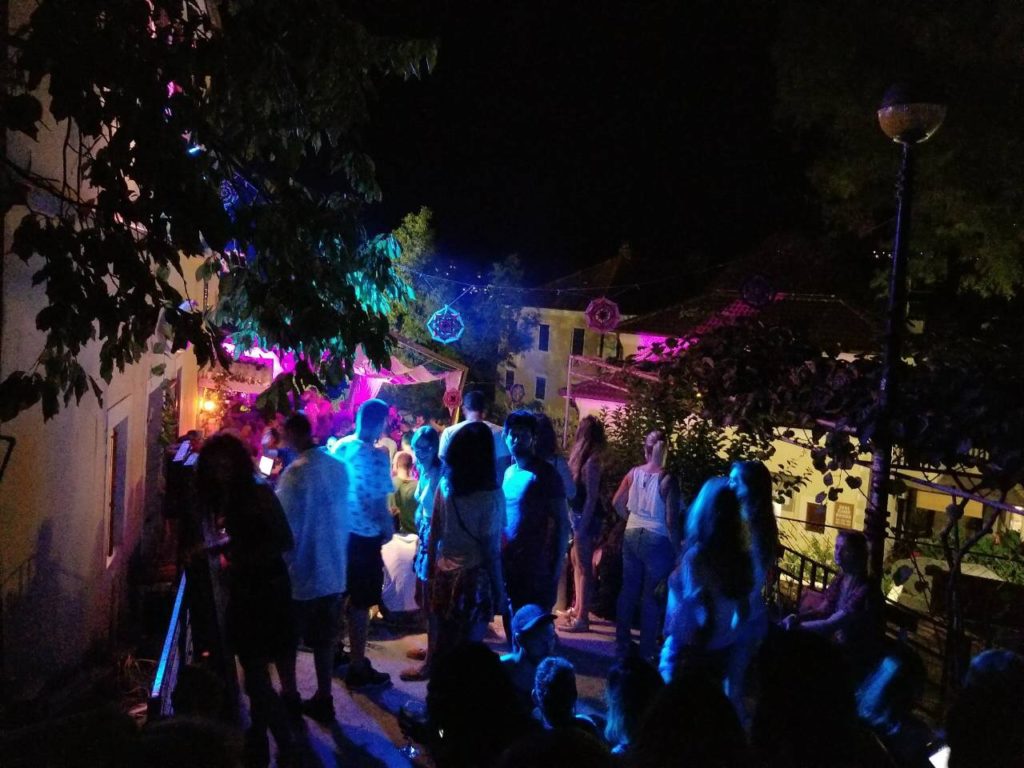
With over 50 festivals and events per year, Montenegro has an affinity for good and unique entertainment with a quality content throughout the year. In Montenegro, there are festivals for all sorts of things, from Padespanj Festival (Pound Cake) to the Flowers fest, that celebrates flowers; such as days of Camellia and Mimosa flowers, film festival, comics festival, etc. However, the most popular are music festivals, which are mainly held during the summer months: Sea Dance, Lake fest, fest Bastion, Southern Soul Festival, the Guitar Art Festival, Jazz Festival and Refresh. Cette année, le festival Sea Dance accueille des stars comme David Guetta et Robin Schulz.
4. Des chats partout
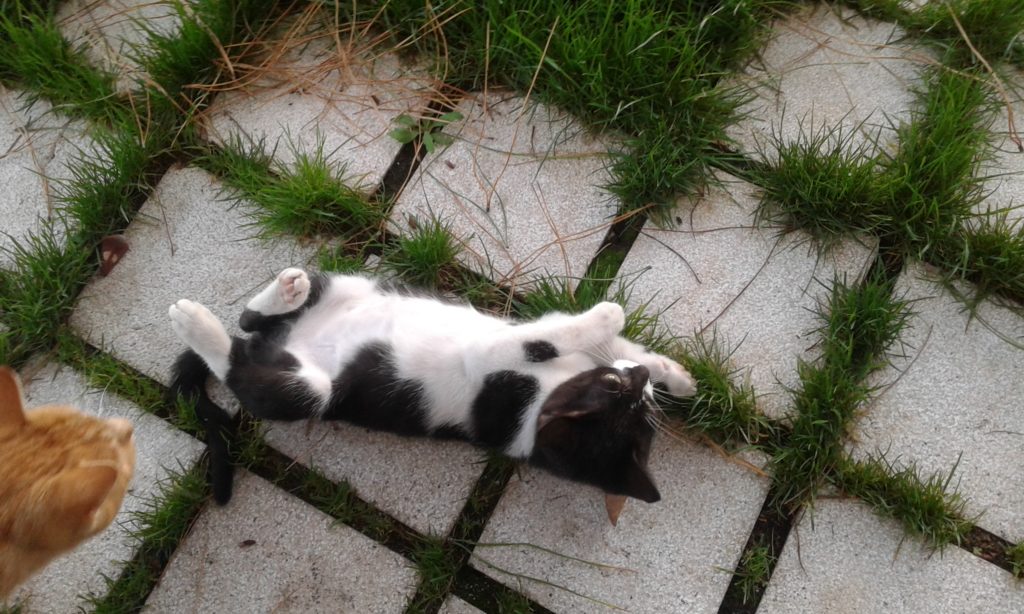
I believe, that to some people one of the top reasons to visit Montenegro is spontaneous presence of cats. In Montenegro, cats freely stroll the sidewalks, streets and parks. Maybe this kind of attitude towards cats many people outside of Montenegro find it unusual, but there are those who believe this concept of living together with the cats without inhibition, is extremely interesting and as such, sufficient to be one of the main reasons for tourists to come to Montenegro. Cats are everywhere. In Kotor, people especially take care of them; the city even opened a musée qui leur est dédié.
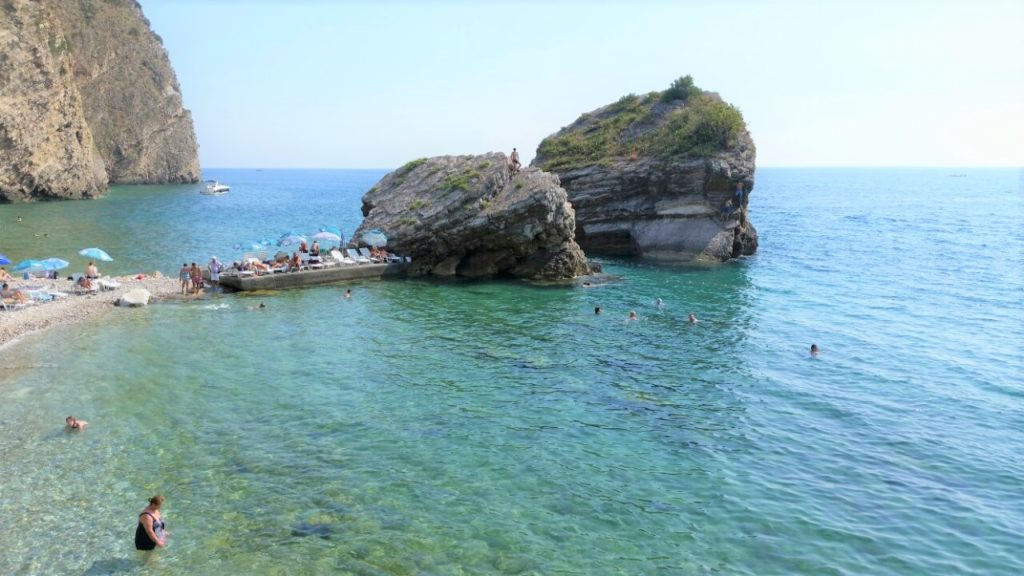
5. Des plages uniques
Montenegro has no shortage of beautiful beaches. I can say this with confidence because I was born in the seaside town. For me, the beach is house, anywhere and everywhere. If you picture Montenegrin beaches, you probably think of Ada Bojana, Jaz or Sveti Stefan. In addition to these well-known beaches, Montenegro has spawned hundreds more pleasant summer sandy hideaways scattered on the Montenegrin 293km-long coast.
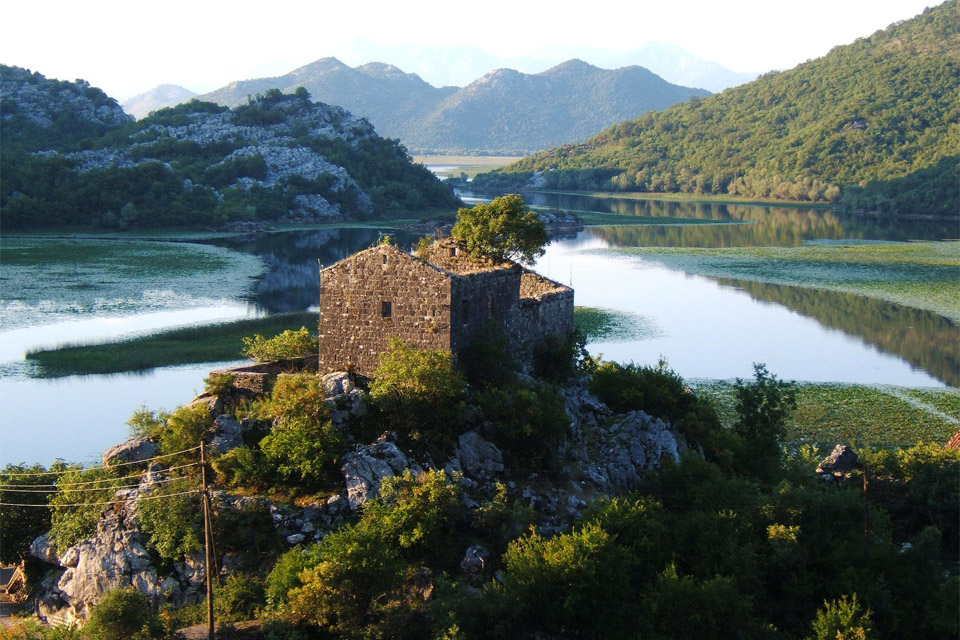
6. Plus de 20 lacs
Les lacs monténégrins sont magnifiques et méritent d'être explorés. Lake Skadar is the larges lake, Black lake along with Biogradsko, and Plav stands out with a unique natural beauty. You can still enjoy irrepressible nature on the shores of these lakes and that is what Montenegro is known for.
7. Des prix avantageux
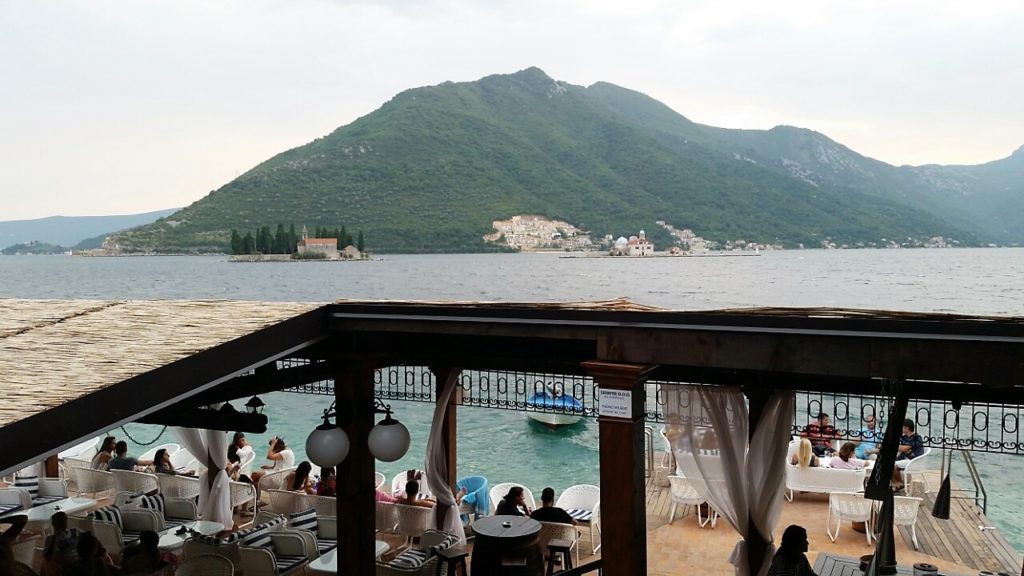
Montenegro as a touristic destination, is much more affordable than most of the countries of the Southern and Western Europe. With about half the price compared to other European destinations, Montenegro offers variety of services and stays where you can enjoy in private accommodation, mountain or coastal villas. In addition to affordable logging, you can have fantastic gastronomic experiences on a daily basis for an average of 20 Euros per person.

.jpg&w=2048&q=75)