
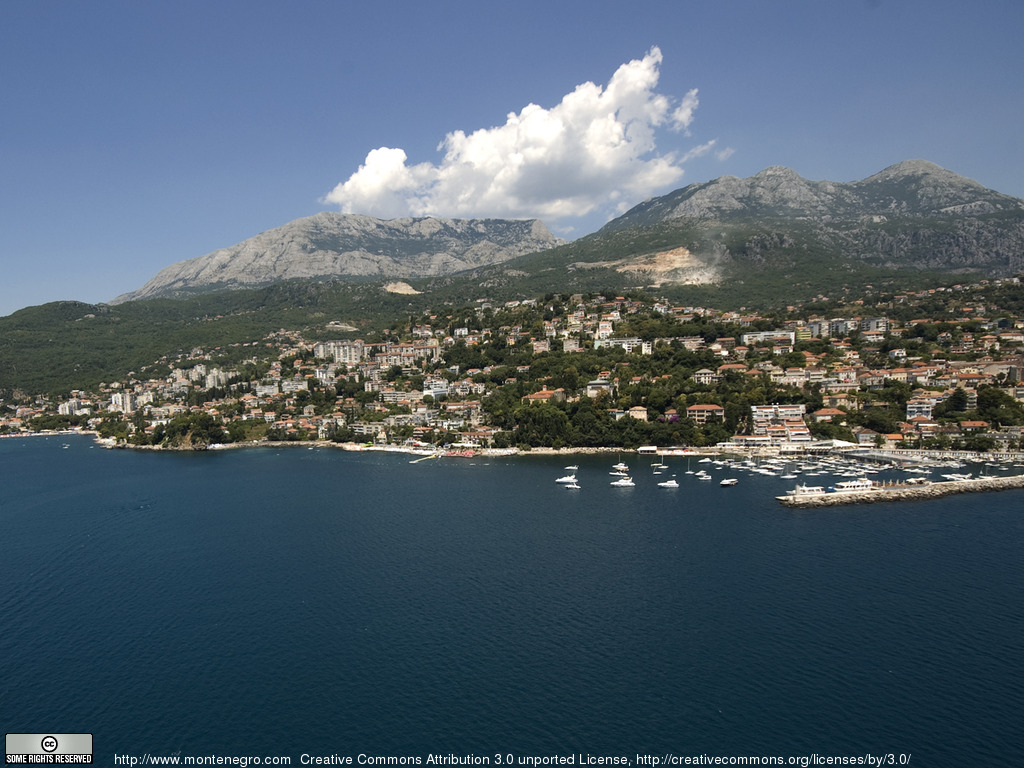
 Whether you are coming from East or West, as you turn off the main highway into the centre of town itself, the first thing to greet you will be the великолепный Канли-Кула крепость. It is often said that the крепость, owing to its size and position, rules over the town. It dates from the 16th century, and like most of Херцег-Нови is built of камень, with thick walls and towers. Канли-Кула is known across the Адриатический as a fantastic лето theatre stage, into which it was adapted in 1966. Every лето evening Канли-Кула is the venue for all kinds of concerts, film events and more besides. During the day visitors can тур the walls and enjoy the splendid view over the town for only €1 – the price of the entrance ticket. From here you can take the most красивый photographs of the город and of the mouth of the Которский залив. Descending the steps from Канли-Кула to the main town square, Nikola Đurković Square (previously called the Salt Square), our gaze alights on the Sahat or Sat Kula (the Clock Tower).
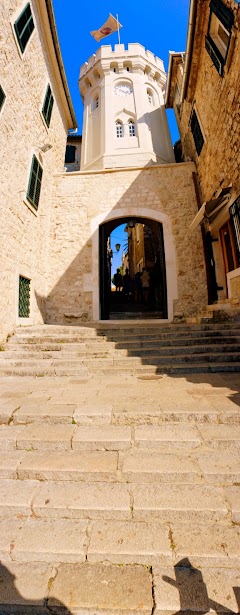 The old clock at the top of the tower long withstood the rigours of time, only being replaced in 1995 with a new, electric one, and has always been one of the hallmarks of Херцег-Нови. Built in 1667 during the time of Turkish rule, this tower, with steps running through it, is unusually positioned, and this fascinating structure has served as the main entrance to the town ever since it was built. The square is home to numerous cafes, banks, clothes stores and bookshops. Nearby is also the town market, where you can buy fresh fruit and vegetables every day, mostly home-grown, as well as freshly caught fish from местный fisherman.
 As soon as we get to the bottom of the steps from the main square, through the Clock Tower, we come across a second Старый город square called Belavista, meaning “красивый view”. Belavista Square is dominated by the Orthodox Church of the Holy Archangel Michael, уникальный for its камень iconostasis. The Старый город square is a jewel of архитектура. The water fountain in the centre of the Belavista Square was recently reconstructed and is a real attraction for tourists.
 You can get down to the town promenade and пляжи via any number of narrow passageways and steps. One of the most interesting is the passageway from Belavista Square through Marka Cara Street (named after the writer) and the Catholic churches of St. Jerome’s (with its rich treasure-store) and St. Leopold Mandić’s. In this street lives a veritable dinosaur among trees – a Gingko biloba that has found its place amongst the numerous palms and приморский plant life.
 This passageway will also take you to the 15th century Форте-Маре крепость by way of a symbolic little мост that connects the крепость with the Старый город. Built on a rock, it rises steeply above the shore itself, towering over the Town Пляж and the harbour (the Škver). At the lower side of Форте-Маре there is a door that leads from the promenade to the top of the крепость, built into the walls themselves, and the upper door is also known as the Sea Door (Porta di mare) The Форте-Маре Крепость is visible from all around and, as its name suggests, is a true море крепость. Beginning on 1st July every year, films are shown here, turning it into an open-air cinema under the starry sky – a уникальный впечатление. It can be toured between 7 am and 7 pm every day. Tickets for individual visitors are €2 and €1 на человека for group visits.
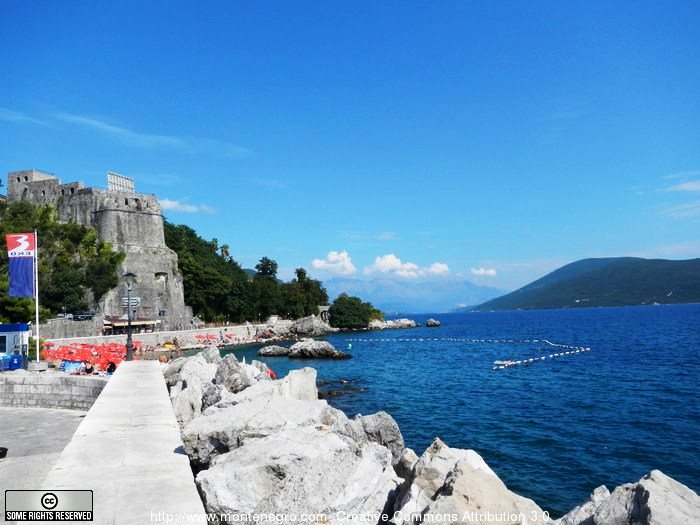 Descending to the Pet Danica Promenade, if we look towards the eastern part of town we can see the Citadela крепость. Standing in the море itself, connected to the town centre by its walls, this tower was built during the time of Venetian rule. The earthquake which struck Херцег-Нови in 1979 completely demolished this крепость, the old walls of which still lie in the море.
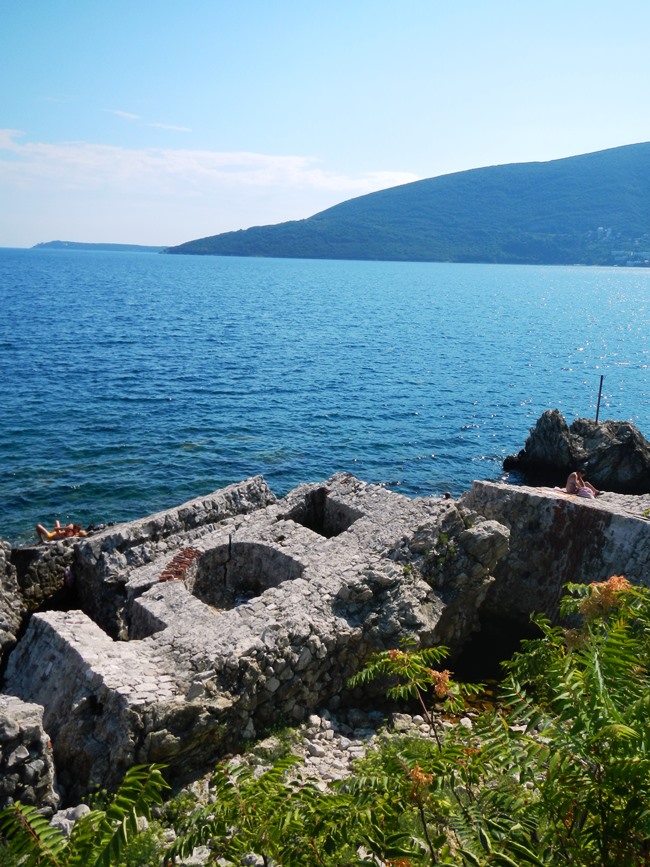 If you decide to head in the other direction, toward the town harbour and the open-air water polo pool, you will see the Railway Station on your right, now wonderfully renovated as a туристический facility. This was a уникальный railway station in view of the fact that it was built on the very shores of the море, next to the town harbour.
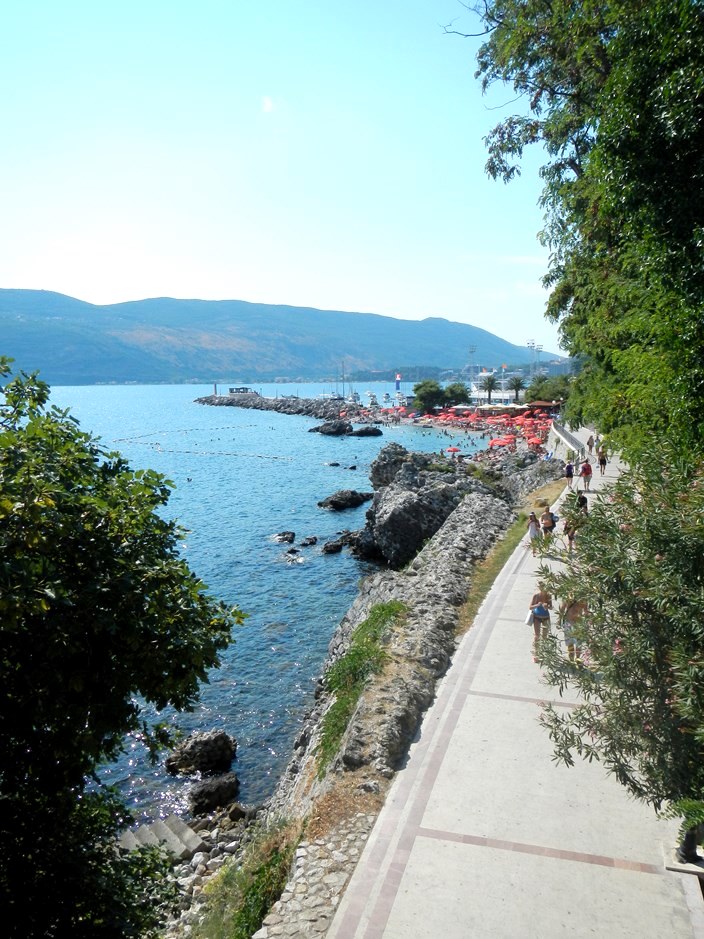 Little-known is the fact that trains once ran in the Boka along the Pet Danica Promenade and that the main station was in Zelenika, a few kilometres along the coast . The railway was officially opened on 16th July 1901 when the first train arrived in Zelenika carrying high officials of the Austro-Hungarian Empire, which ruled the Которский залив at the time. The railway station building in Херцег-Нови was built in 1934 thanks to the much-respected mayor of the time Mirko Komnenović. It was built of камень and reconstructed and reopened in 2005.
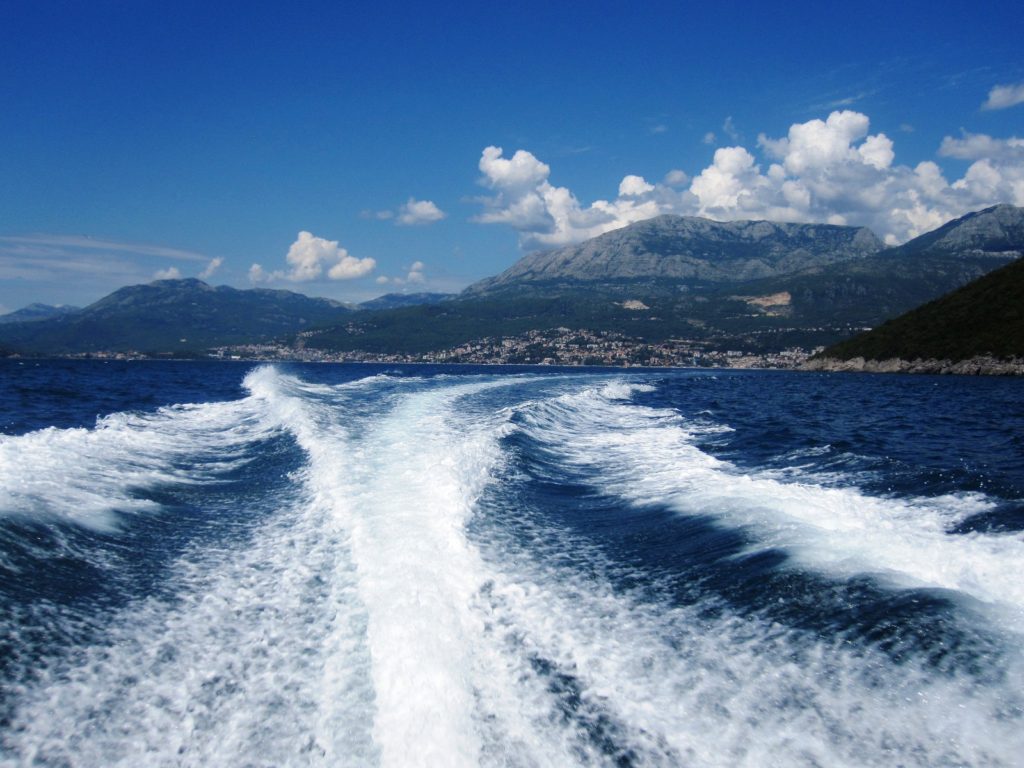
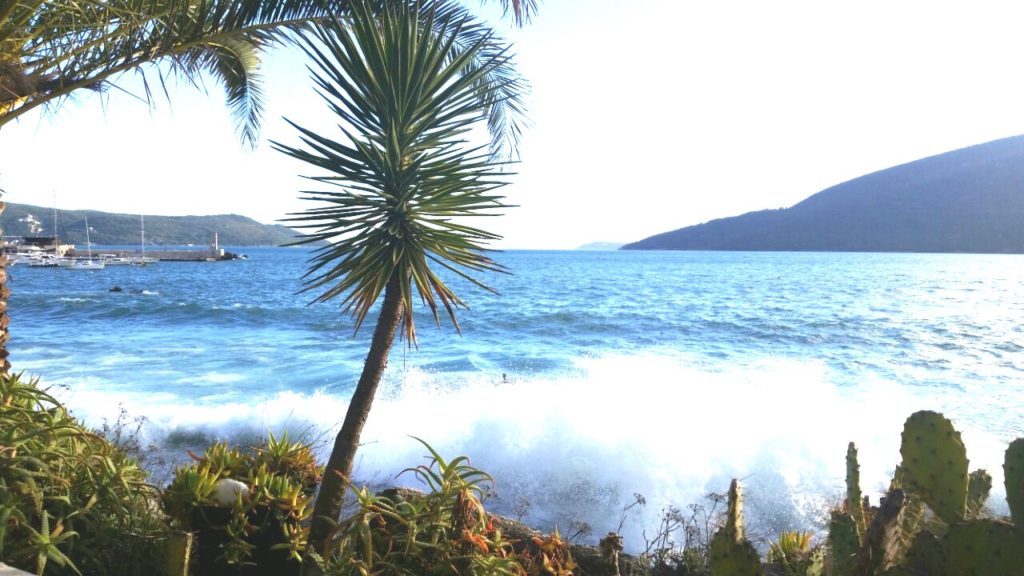 From the терраса of the “Station” there is a view of the small marina and lighthouse, where рыбалка and туристический boats and yachts moor. The Škver, as it is popularly known, is the best place to rent a craft or hop on one of the small boats that take trippers to popular spots around Херцег-Нови that are most easily accessed by море. In the лето months, when the town is very busy, Rose, Mamula and Žanjice are three not-to-be missed destinations, offering природный beauty, исторический sights and a relaxing atmosphere.
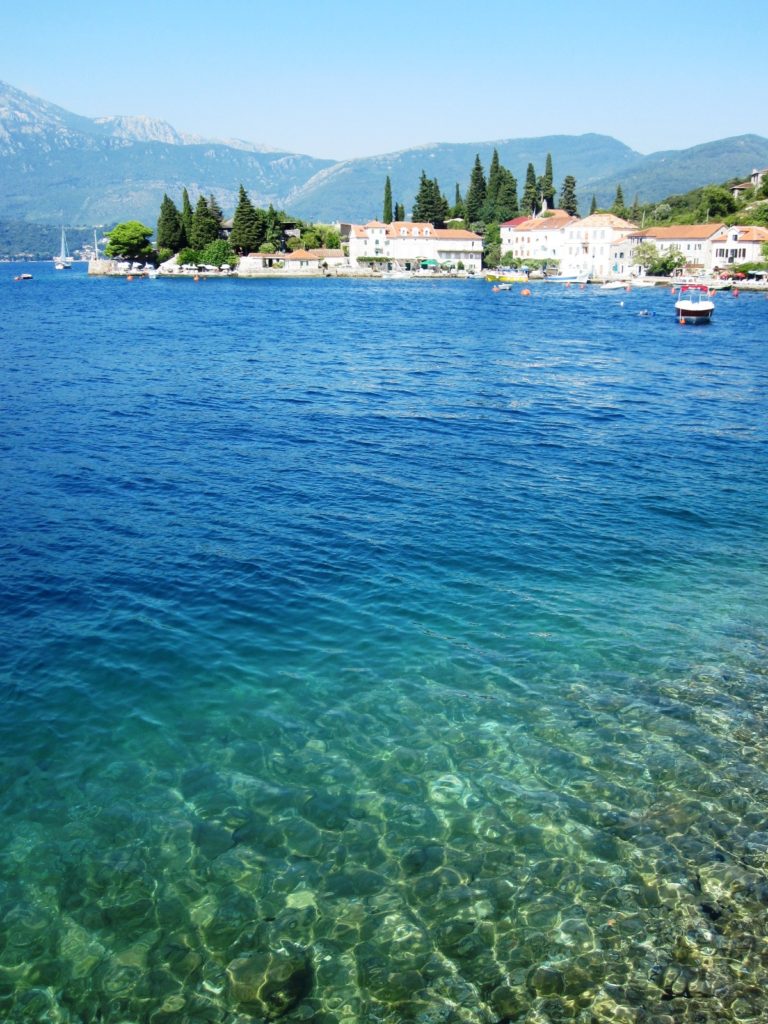 Not only is Rose a beautifully-preserved little Средиземноморский деревня, it is also one of the oldest settlements in the регион.It is mentioned as far back as the 4th century by the name of Resnium. Around Rosa, both on land and in the море, there are some very important археологический sites. A great many divers come here to explore underwater and to тур the old shipwrecks from times gone by that lie on the море bed. Rosa is also home to a very well-known дайвинг camp. Alongside the пляж, where there are several рестораны, there is the old Forte Rose крепость where there is also a ресторан and туристический amenities.
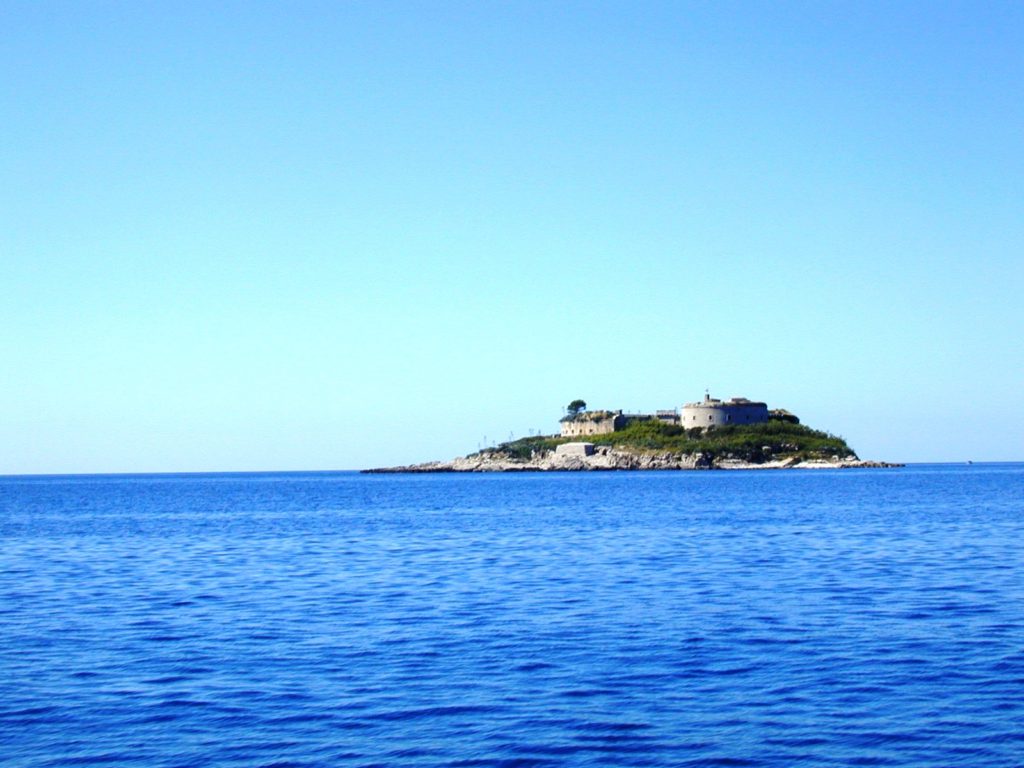
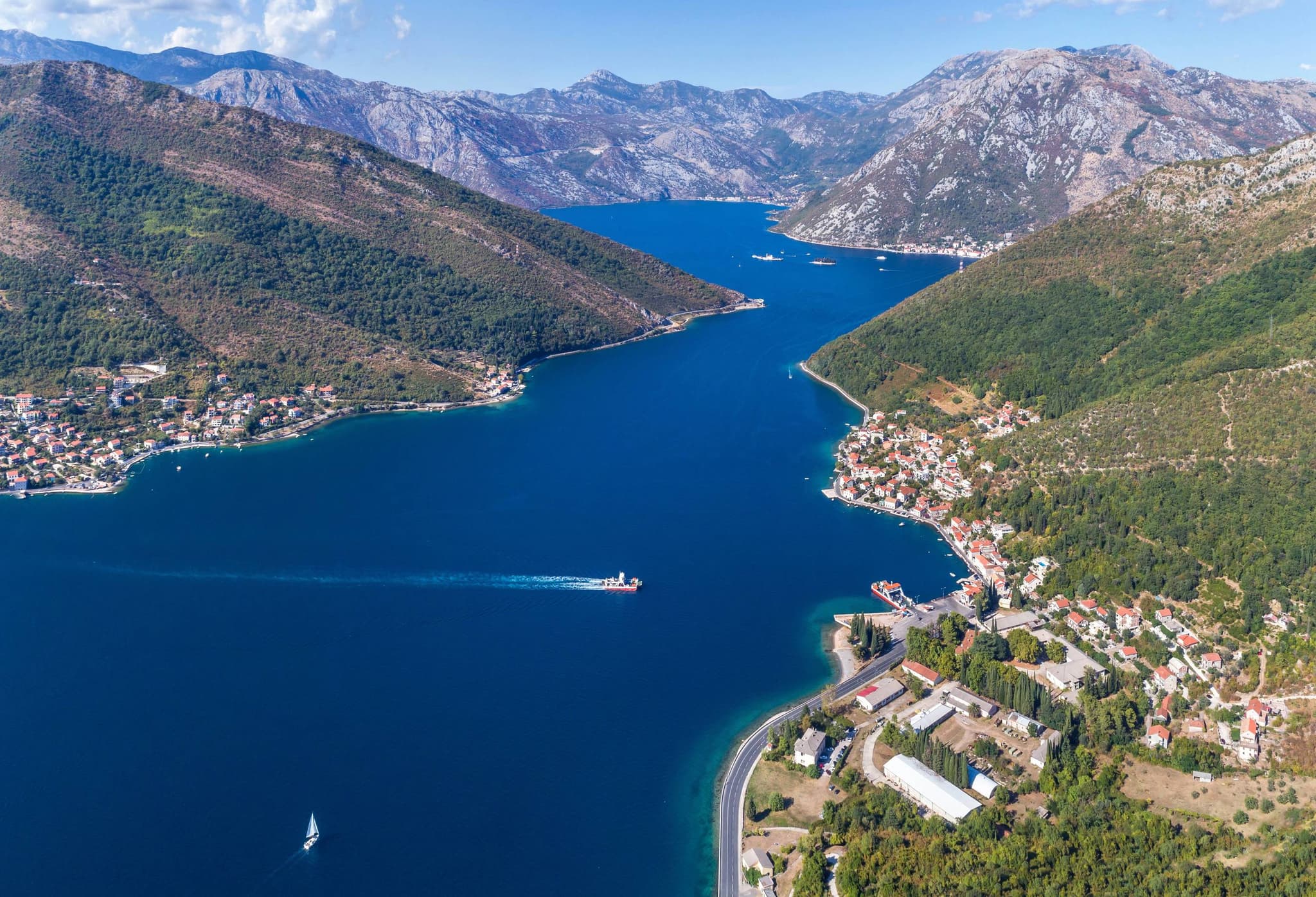
 The little rocky остров of Lastavica on which the Mamula крепость stands is set on the море route to Žanjice, at the very mouth of the Которский залив. Although the Mamula крепость has a dark history it is an impressive sight. It is one of a series of important fortifications (together with Arza and Prevlaka) constructed by the Austro-Hungarian army in 1853 in order to defend the mouth of the залив. It was symbolically named after the Austrian general Lazar Mamula whose idea it was to raise a крепость on the остров. Its remarkable архитектура makes this крепость one of the most attractive in the Адриатический. The entrance to the крепость is on the север-eastern side of the остров, where there is also a drawbridge. Although difficult to access, the site should not be missed, both for a тур and for some плавание in the лето months.
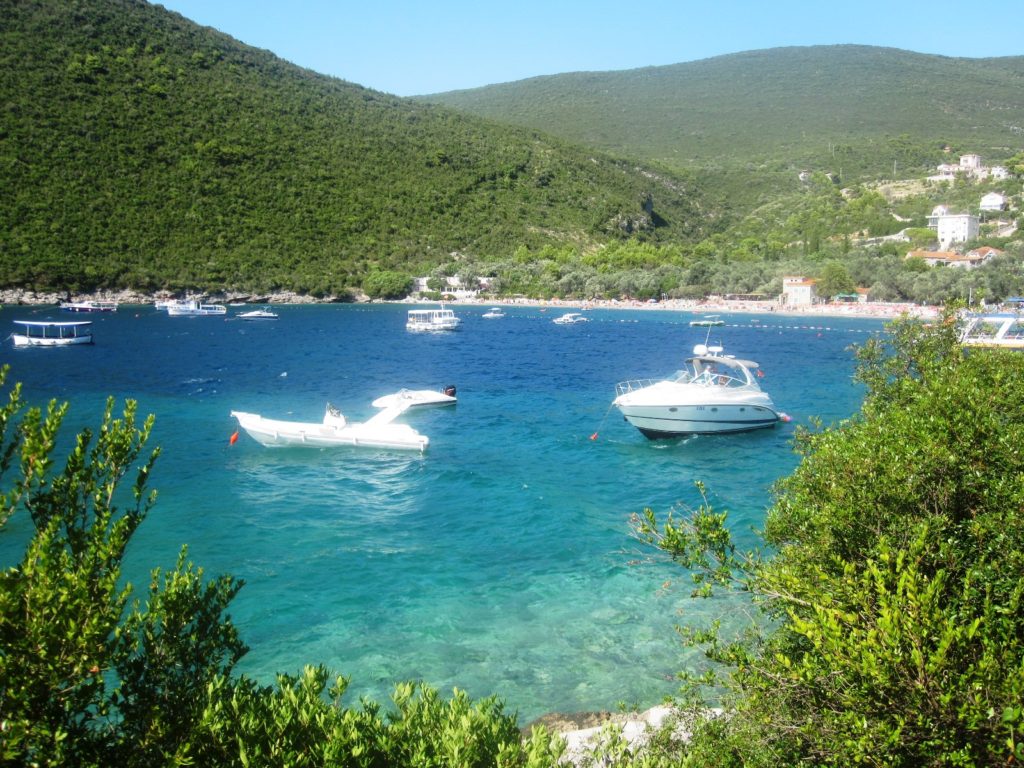 If we continue towards the open море we will reach the Žanjić пляж, one of the most popular in Черногория. This пляж is special because of its crystal clear море, naturally white pebbled пляжи and древний olive groves growing right next to the пляж. You can take a look inside the Church of St. John, dating back to 1881 and located in the olive groves just a few steps from the пляж. There you can hear the interesting story about this церковь and the idyllic location that is Žanjice, or take a stroll through захватывающий дух природный surroundings to the nearby Mirišta пляж.

.jpg&w=2048&q=75)