Bar
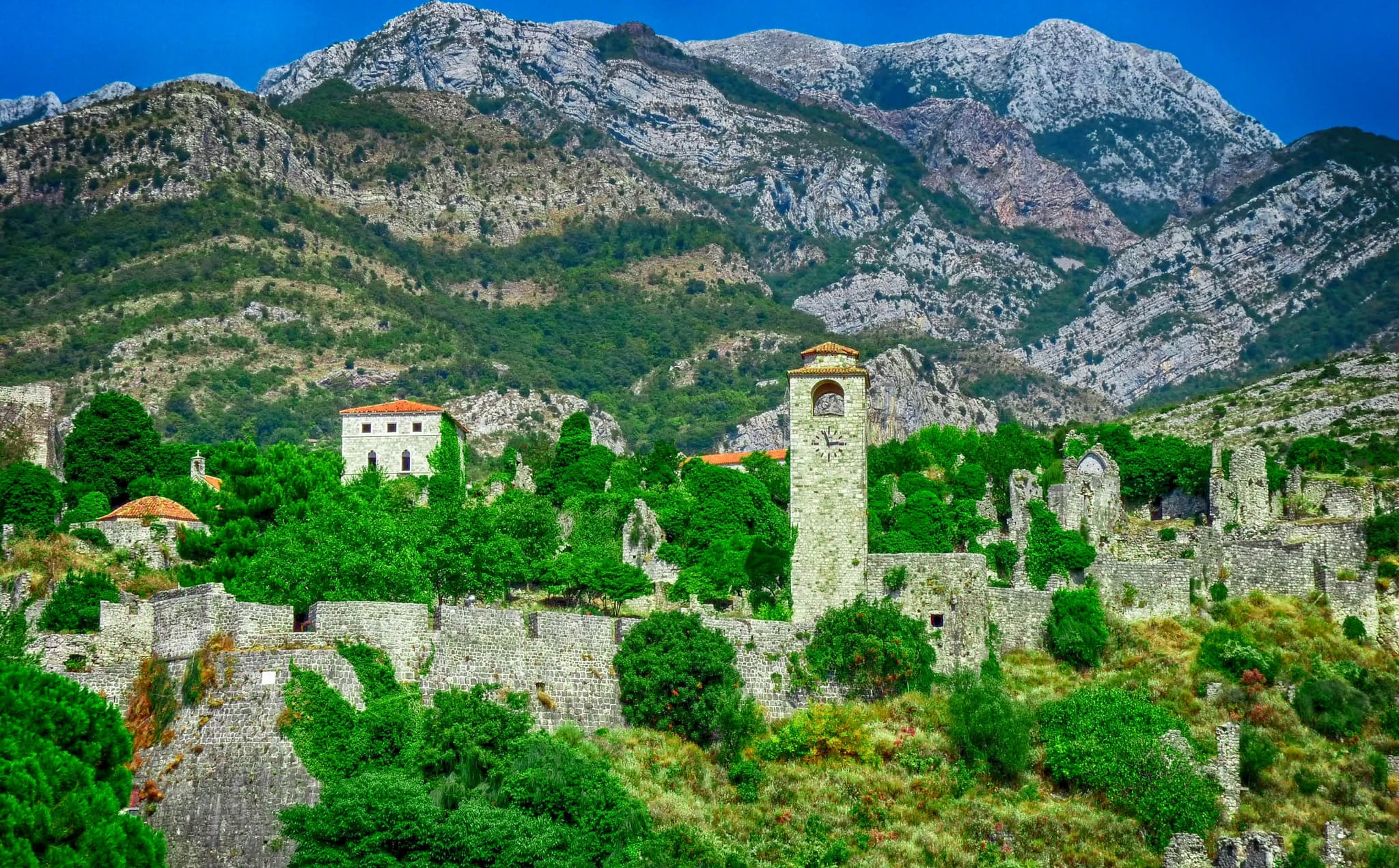
Bar is Montenegro's principal port city and a vital transport hub on the southern Adriatic coast, offering a fascinating blend of ancient ruins, multicultural heritage, and practical connections that make it a rewarding destination in its own right. The modern waterfront town serves as the departure point for regular ferry services to Bari in southern Italy — a scenic overnight crossing that provides one of the most enjoyable ways to arrive in or leave Montenegro. The unmissable highlight is Stari Bar (Old Bar), a hauntingly beautiful ruined city spread across a hillside about four kilometers inland. Destroyed by bombardment in the 19th century and largely abandoned since, its crumbling mosques, churches, aqueducts, and fortress walls create an atmospheric open-air museum where Ottoman, Venetian, and Slavic influences intertwine. At the foot of the ruins stands the Stara Maslina — an olive tree scientifically dated at over 2,000 years old, one of the oldest living trees in Europe and a powerful symbol of the region's deep-rooted Mediterranean identity. The coast around Bar stretches for over 40 kilometers, the longest municipal shoreline in Montenegro, encompassing a varied mix of sandy beaches, rocky coves, and small resort settlements. King Nikola's Palace, an elegant 19th-century royal residence in the town center, now houses a museum and hosts cultural events in its seaside gardens. The town itself has a relaxed, workaday character with excellent local restaurants, a lively market, and a genuinely multicultural population reflecting centuries of Slavic, Albanian, Turkish, and Italian exchange. Bar is connected to Podgorica by a dramatic railway line that passes through dozens of tunnels and over the famous Mala Rijeka viaduct — one of the highest railway bridges in Europe. Podgorica Airport is about 50 minutes away by car. For travelers seeking authentic Montenegrin life away from the resort-town crowds, Bar delivers history, character, and connectivity in equal measure.