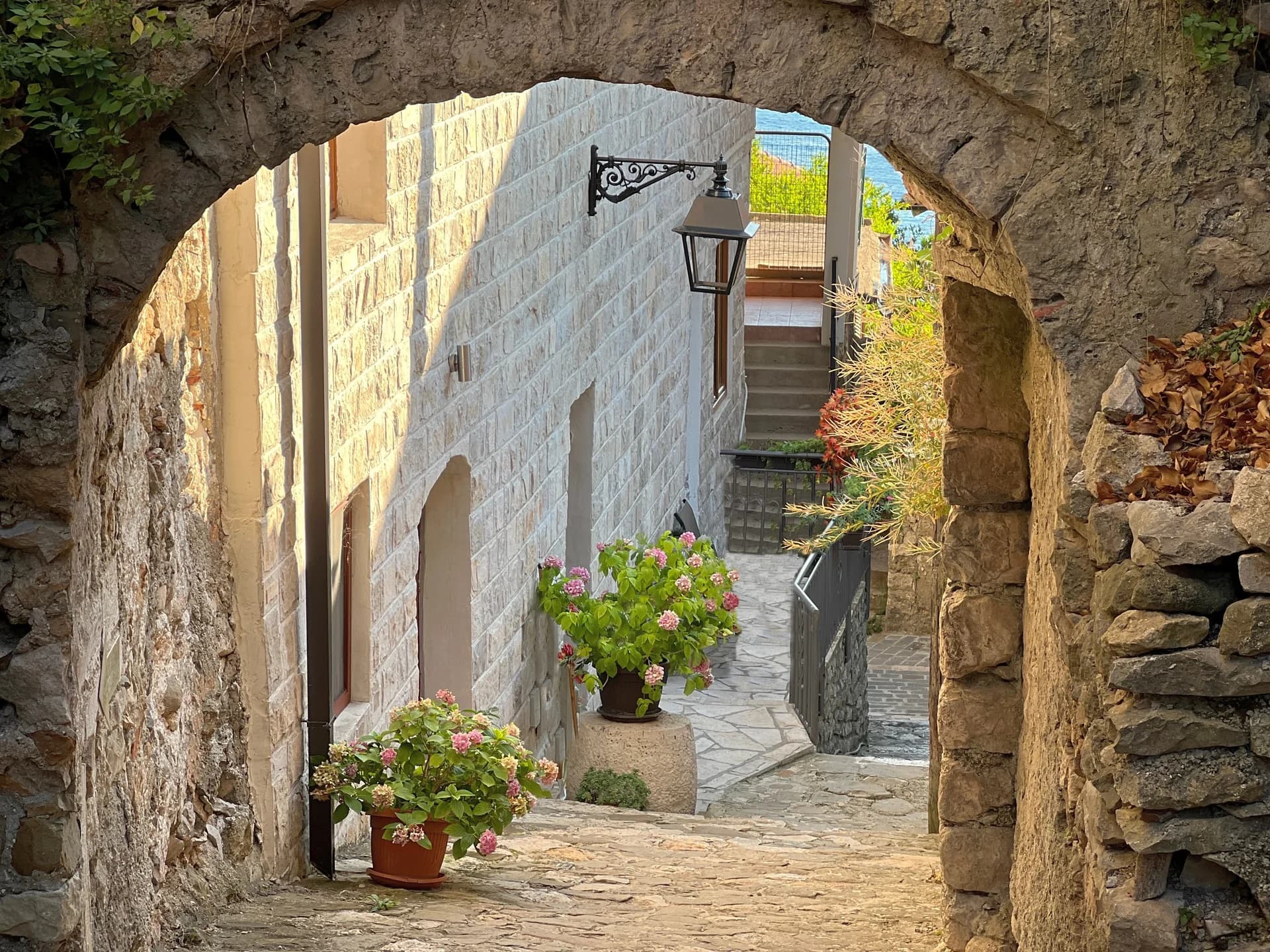
There is a particular pleasure in discovering something that the rest of the world has not found yet. Montenegro in winter is exactly that kind of discovery. While millions of skiers crowd into Austrian, French, and Italian resorts each season -- paying EUR 60-80 for a lift ticket and EUR 200 for a hotel room that would be average in any other context -- Montenegro offers genuine Alpine skiing for EUR 25 a day, accommodation for EUR 30-50 a night, and medieval coastal towns where winter temperatures hover around 12 degrees Celsius and the only crowds are locals sipping coffee in the piazza. The country is barely two hours from end to end, which means you can ski a mountain in the morning and eat grilled fish by the Adriatic in the evening. Nobody does this because nobody knows they can. This guide exists to change that. Montenegro's winter is not a compromise destination for travelers who cannot afford the Alps. It is a genuinely different experience -- smaller, more authentic, less polished, and in many ways more rewarding than anything you will find in the well-trodden resorts of western Europe.
Why Visit Montenegro in Winter
The Price Difference Is Staggering
The economics of a Montenegro winter trip bear almost no resemblance to a traditional European ski holiday. Consider the comparison:
| Expense | Montenegro | Austria | France | Italy | Slovenia |
|---|---|---|---|---|---|
| Lift ticket (1 day) | EUR 25 | EUR 60-72 | EUR 55-75 | EUR 50-68 | EUR 35-45 |
| Lift ticket (6 days) | EUR 130 | EUR 310-380 | EUR 290-380 | EUR 270-350 | EUR 180-230 |
| Equipment rental/day | EUR 15 | EUR 35-45 | EUR 30-45 | EUR 30-40 | EUR 20-30 |
| Hotel (mid-range/night) | EUR 35-55 | EUR 120-200 | EUR 130-220 | EUR 110-180 | EUR 70-110 |
| Restaurant dinner | EUR 10-18 | EUR 25-45 | EUR 30-50 | EUR 25-40 | EUR 18-30 |
| Beer (draft, 0.5L) | EUR 2-3 | EUR 5-7 | EUR 6-8 | EUR 5-7 | EUR 3-4 |
A week of skiing in Montenegro -- including accommodation, lift tickets, equipment rental, and food -- can cost EUR 500-700 per person. The same week in an Austrian or French resort starts at EUR 1,200-1,500 and quickly climbs higher. The savings are not marginal. They are transformative, especially for families, groups, or anyone who wants to ski more than once per winter.

Empty Medieval Towns on the Coast
Perhaps the most compelling reason to visit Montenegro in winter has nothing to do with skiing. The coastal towns that heave with cruise ship passengers and package tourists from June through September become extraordinarily peaceful from November to March. Kotor's Old Town, which sees up to 10,000 day-trippers from a single cruise ship in summer, returns to its residents. You can walk its narrow stone streets hearing nothing but your own footsteps, the chime of a church bell, and the murmur of conversation from a cafe where the barista knows every customer by name.
Winter coastal temperatures are remarkably mild: average highs of 10-15 degrees Celsius from December through February, with frequent sunny days. Rain is more common than on the coast in summer, but it tends to come in short bursts rather than all-day grey. Snow at sea level is extremely rare -- it happens perhaps once or twice per decade, and when it does, the entire country stops to photograph it.
Snow-Capped Mountains Two Hours from the Mild Coast
Montenegro's most remarkable geographic trick is its compression. The straight-line distance from the Adriatic coast to the 2,522-meter peaks of Durmitor is barely 100 kilometers. In practice, this means you can drive from a seaside cafe where you are wearing a light jacket to a fully operational ski resort in approximately two hours. This combination does not exist anywhere else in Europe at this scale and accessibility. You can genuinely split a winter trip between coastal culture and mountain skiing without long transfers.
Authentic Local Life, No Tourist Infrastructure
Winter in Montenegro is not a curated tourist season. There are no manufactured Christmas villages, no overpriced "apres-ski experience" packages, no themed gondola rides. What you get is real Montenegrin life: a country going about its business, celebrating its holidays, and welcoming the few visitors who have figured out that the off-season is actually the best season. Prices are at their lowest, hospitality is at its most genuine, and the landscapes -- stripped of summer haze and holiday crowds -- reveal their essential character.
Ski Resorts: Where to Hit the Slopes
Kolasin 1450 -- The Main Event
Kolasin 1450 (sometimes written Kolašin 1450) is Montenegro's flagship ski resort and the one most likely to satisfy visitors with experience at larger European resorts. Located on the slopes of Bjelasica mountain, approximately 10 minutes' drive from the town of Kolasin, the resort has undergone significant development in recent years and now offers genuinely modern infrastructure.
The Numbers:
- Altitude: 1,450 - 1,975 meters
- Total runs: 15
- Longest run: 4.5 kilometers
- Total skiable terrain: approximately 45 kilometers (combined with Kolasin 1600)
- Difficulty: 30% beginner, 50% intermediate, 20% advanced
- Lifts: Modern 6-seat gondola (opened 2022), plus chairlifts and T-bars
Pricing (2024-2025 season):
- Full-day lift ticket: EUR 25 adults, EUR 18 children
- Half-day (from 12:30): EUR 15
- 6-day pass: EUR 130
- Equipment rental (skis, boots, poles): EUR 15/day
- Snowboard rental: EUR 15/day
- Ski school: EUR 25-35/hour private lesson
The installation of a modern gondola in 2022, connecting the base area to the upper slopes, was a transformative upgrade. It replaced an aging chairlift system and dramatically reduced queue times. The gondola links Kolasin 1450 with the newer Kolasin 1600 area, effectively creating a single ski area with diverse terrain.
The skiing itself is honest intermediate territory. The runs are well-groomed, wide, and flanked by forest -- beautiful skiing through beech and spruce trees, with views across the Bjelasica range. Advanced skiers will find some steep sections and off-piste opportunities, particularly on the upper slopes above 1,800 meters, but this is not a destination for experts seeking extreme terrain. It is a destination for families, intermediates, and anyone who values the overall experience -- the scenery, the price, the absence of crowds, the warmth of the mountain restaurants -- over sheer vertical drop.
Night skiing is available on Fridays, when floodlights illuminate a designated section of slopes. It is a different, atmospheric experience, and locals treat it as a social event.
The Town of Kolasin:
Kolasin itself is a small mountain town (population approximately 3,000) with a growing selection of hotels, apartments, and restaurants. It has the feel of a resort town that is still finding its identity -- a mix of old socialist-era buildings and newer, more polished hospitality developments. What it lacks in Alpine-village charm it makes up for in authenticity and price. A good hotel room costs EUR 35-55/night including breakfast. Dinner at a local restaurant, with kacamak, grilled meat, and a beer, will rarely exceed EUR 12-18 per person.
The town is located on the main north-south highway (E65), making it easily accessible from both Podgorica (70 minutes south) and Zabljak (90 minutes north). It is also a stop on the Belgrade-Bar railway, one of Europe's most scenic train routes.
Kolasin 1600 -- The Higher Neighbor
Connected to Kolasin 1450 by the new gondola system, Kolasin 1600 occupies the higher slopes of Bjelasica and offers a different character. The terrain is more open, more exposed to weather, and generally more challenging than the lower resort. The altitude range of 1,600-1,975 meters means more reliable snow cover, and the slopes face north, preserving conditions longer into the spring.
Kolasin 1600 has newer infrastructure -- purpose-built base facilities, modern lifts, and a contemporary mountain restaurant. The development has been designed with sustainability in mind, and the facilities feel more planned and cohesive than the gradually evolved infrastructure of Kolasin 1450.
The combined Kolasin 1450 + 1600 area offers enough terrain for three to four days of skiing without repetition, which makes it viable as a destination for a week-long trip (with non-skiing days spent exploring Biogradska Gora, Moraca Canyon, or the coast).
Savin Kuk -- Adventure Skiing in Durmitor
Savin Kuk is a different proposition entirely. Located in Durmitor National Park, just 5 kilometers from Zabljak, this small resort sits beneath the 2,313-meter Savin Kuk peak and offers skiing in one of Europe's most dramatic mountain settings.
The Numbers:
- Altitude: 1,492 - 2,100 meters
- Runs: 4 (plus off-piste)
- Total skiable terrain: approximately 3.5 kilometers of groomed runs
- Difficulty: mostly intermediate with one advanced run
- Lifts: 1 chairlift, 2 T-bar lifts
Pricing (2024-2025 season):
- Full-day lift ticket: EUR 20
- Equipment rental: EUR 12-15/day
Savin Kuk is not a resort in the Alpine sense. It is a mountain with some lifts on it. The infrastructure is basic, the grooming is adequate rather than immaculate, and the facilities are rustic. What it offers instead is something no Austrian super-resort can match: you are skiing inside a UNESCO World Heritage Site, surrounded by untouched wilderness, with the Tara River Canyon gaping beyond the ridge and black pine forests stretching to the horizon. On a clear day, the view from the top of the chairlift is one of the most extraordinary in all of European skiing.
The off-piste potential around Savin Kuk is significant and largely unexploited. With proper backcountry equipment and a local guide (available through Zabljak outdoor agencies, EUR 50-80/day), you can access untracked powder in terrain that would be thoroughly skied out within hours at a larger resort. This is where Savin Kuk becomes genuinely exciting for experienced skiers: not as a groomed resort, but as a gateway to real mountain skiing with virtually no competition for fresh snow.
Zabljak in Winter:
Zabljak at 1,456 meters is significantly colder than the coast or even Kolasin. January average temperatures range from minus 5 to plus 2 degrees Celsius, and heavy snowfall is common from December through March. The town is small, quiet, and deeply atmospheric in winter -- wood smoke rises from chimneys, snow blankets the surrounding meadows, and Black Lake freezes solid enough to walk on (though this is not officially encouraged).
Accommodation in Zabljak costs EUR 25-45/night for guesthouses and EUR 50-80/night for hotels. The dining scene is limited but hearty: kacamak, grilled meats, bean soups, and local cheese dominate menus. Several traditional restaurants with fireplaces provide the kind of warmth and atmosphere that money cannot buy at a larger resort.
Vucje -- For the Purists
Vucje (near Niksic) is Montenegro's smallest ski area and exists almost entirely for locals. With basic facilities, a couple of short lifts, and lift tickets around EUR 10/day, it is not a destination for international visitors seeking a ski holiday. However, if you happen to be in the Niksic area during winter, or if you are the type of skier who collects obscure, off-the-radar resorts, Vucje offers a genuinely authentic experience: local families teaching their children to ski, no English on the signage, and the distinct feeling of being somewhere that tourism has not yet reached.
Winter Activities Beyond Skiing
Snowshoeing in Durmitor
Durmitor National Park in winter is a snowshoe paradise. The national park's network of summer hiking trails becomes a snowshoeing wonderland from December through March, with routes ranging from gentle lake-side walks to full-day mountain traverses.
Popular routes:
- Black Lake circuit (3.6 km, 1-1.5 hours): The classic walk, flat and accessible, following the shore of the frozen lake through snow-covered spruce forest. Even in winter, this trail is usually packed down enough for ordinary boots, but snowshoes make it easier and more fun after fresh snowfall.
- Jablan Lake (8 km return, 3-4 hours): A moderate route through forest to a smaller, more remote glacial lake. Snowshoes essential.
- Valovito Valley (12 km, full day): A more serious outing into the heart of the Durmitor range, with dramatic mountain scenery. Guide recommended.
Guided snowshoe tours from Zabljak cost EUR 30-50 per person and typically include equipment, a guide, and a hot drink or simple lunch. Several outdoor agencies in Zabljak offer them, with departures most days in season depending on conditions.
Cross-Country Skiing in Biogradska Gora
Biogradska Gora National Park, located between Kolasin and Mojkovac, contains one of the last remaining primeval forests in Europe -- trees over 500 years old standing in virgin woodland that has never been commercially logged. In winter, the park's meadows and forest trails offer excellent cross-country skiing conditions, with natural snow cover reliable from December through March.
The area is not formally developed for Nordic skiing -- there are no groomed tracks or rental facilities at the park -- but the terrain is ideal, and skiers who bring their own equipment (or rent from Kolasin) can explore freely. The frozen Biogradsko Lake, surrounded by ancient forest heavy with snow, is one of the most beautiful winter landscapes in the Balkans.
Winter Hiking
Lower-altitude trails remain accessible throughout winter and offer spectacular walking without snow equipment:
- Vrmac Ridge (above Tivat/Kotor): A ridge walk between the two towns with panoramic views over the Bay of Kotor. Moderate difficulty, 10-12 km, 4-5 hours. The trail sits at 600-800 meters, usually above the cloud layer that sometimes fills the bay in winter, creating a dramatic cloud-inversion effect.
- Lovcen lower trails: The lower slopes of Lovcen are accessible in winter, though the summit road to Njegos Mausoleum is typically closed from November to April due to snow. Trails around the lower villages offer mountain walking with Adriatic views.
- Rumija Mountain (above Bar): A little-known hiking area on the southern coast, offering walks through Mediterranean scrubland with views toward Albania and Lake Skadar.
Visiting Monasteries in Winter
Montenegro's monasteries -- especially Ostrog, Cetinje, and Moraca -- take on a different character in winter. Without the summer pilgrimage crowds, the spiritual atmosphere of these places intensifies. Ostrog Monastery, its white facades dusted with snow against the dark cliff, is particularly atmospheric. The monks maintain a year-round rhythm of liturgical life, and winter visitors are more likely to experience the monastery's contemplative function rather than its tourist attraction role.
Moraca Monastery in the Moraca Canyon is beautiful in any season, but winter -- when the canyon walls are streaked with ice and the river runs grey-green below -- lends it a brooding, medieval quality that summer cannot match.
The Coast in Winter: A Different Montenegro
Kotor: The Old Town to Yourself
Winter transforms Kotor. The cruise ships stop coming in November (a few may dock on mild days, but the summer flood of 5,000-10,000 daily visitors reduces to a trickle). The Old Town's narrow stone streets, which in August are a shoulder-to-shoulder shuffle, become quiet enough to hear the echo of your own footsteps.

Temperatures from December through February average 8-14 degrees Celsius during the day, dropping to 3-6 at night. Rain is more frequent than summer -- January is Kotor's wettest month -- but it tends to come in bursts rather than all-day drizzle, and many days are clear and sunny with that particular winter Mediterranean light that makes stone glow.
Restaurants remain open year-round, though some may reduce their hours or close on the quietest weekdays. The quality of dining does not diminish -- if anything, winter menus feature heartier, more interesting dishes, and the chance of getting a table at Galion or Scala Santa without a reservation improves dramatically. Hotel prices drop 40-60% from summer peaks.
Activities in winter Kotor:
- Walk the city walls without queuing (EUR 8 entry, same as summer, but often waived in the quietest months)
- Climb to San Giovanni fortress in cool, comfortable conditions (the summer heat makes this climb punishing; winter makes it pleasant)
- Explore the Maritime Museum at a contemplative pace
- Day-trip to Perast and Our Lady of the Rocks (water taxis still operate in calm weather)
- Enjoy the Christmas and New Year decorations in the squares (late December through early January)
Herceg Novi: The Mimosa Festival
Herceg Novi in February hosts one of the most unusual festivals in the Mediterranean: the Mimosa Festival (Praznik Mimoze), celebrating the mass blooming of mimosa trees throughout the town. Millions of bright yellow mimosa flowers burst into bloom across the hillsides, promenades, and gardens of Herceg Novi, creating an explosion of color against the grey-blue winter sea.
The festival has been celebrated since 1969 and runs throughout February, with events including:
- Parades with floats decorated in mimosa flowers
- Election of the Mimosa Queen
- Concerts, art exhibitions, and cultural performances
- Fish feasts and traditional food events
- The Mimosa Ball (a formal dance)
The festival is primarily attended by locals and regional visitors -- it is almost unknown to international tourists, which makes it a genuinely authentic cultural experience. Herceg Novi in February has a festive, community atmosphere that is impossible to replicate in the tourist-oriented summer season.
Accommodation in Herceg Novi during winter costs EUR 25-45/night for apartments and EUR 40-70/night for hotels -- a fraction of summer rates. The promenade (setaliste) is walkable year-round, and the subtropical vegetation that lines it -- palms, citrus trees, and of course mimosas -- provides greenery even in the coldest months.
Budva: Quiet but Present
Budva in winter is a version of itself that most visitors never see. Many of the beachfront hotels and tourist-oriented restaurants close from November through March or April. The Old Town remains open and inhabited, but with a dramatically reduced commercial presence. This is either disappointing (if you want nightlife and beach bars) or liberating (if you want to experience a beautiful medieval town without the summer circus).
A handful of restaurants and cafes remain open year-round inside the Old Town, and the Citadela is accessible. The beaches are empty and atmospheric -- walking Mogren Beach in January with no one else around is a memorable experience, even if swimming is not on the agenda (water temperature drops to 13-15 degrees Celsius).
Podgorica: The Working Capital
Podgorica is rarely marketed to tourists in any season, but it has virtues that reveal themselves especially in winter. As Montenegro's capital and largest city (population 190,000), it maintains a full urban rhythm year-round: cafes are busy, restaurants are open, the shopping district buzzes, and cultural events (theater, concerts, exhibitions) continue uninterrupted.
Winter temperatures in Podgorica are mild by continental standards: 5-12 degrees Celsius during the day, rarely dropping below freezing. The city's cafe culture is robust, and spending an afternoon moving between espresso bars, bookshops, and the Millennium Bridge area along the Moraca River is a pleasantly unhurried way to experience Montenegrin urban life.
The city's restaurants offer more diversity than anywhere else in the country, including the best cevapi (at dedicated cevabdzinicas), international cuisine, and craft beer bars. Hotel rooms in Podgorica cost EUR 30-60/night in winter.
Month-by-Month Winter Guide
November: The Transition
November is Montenegro's shoulder month, when the country shifts gears between its summer and winter identities. On the coast, temperatures drop to 12-18 degrees Celsius, and the last of the summer tourists depart. Beaches empty, some restaurants close, and the locals reclaim their towns.
In the mountains, the first significant snowfall typically arrives in the second half of November, though ski resorts do not usually open until late November or early December depending on snow depth.
This is olive harvest season in the Bar and Ulcinj regions. If you are interested in food culture, visiting during the olive harvest offers the chance to see (and sometimes participate in) a tradition that dates back centuries. Some olive oil producers offer harvest experiences and tastings.
Accommodation: at its cheapest across the country. A studio apartment in Kotor Old Town that costs EUR 120/night in August can be found for EUR 30-40 in November.
December: Christmas Markets and Ski Season Start
The ski season at Kolasin typically opens in the first or second week of December, weather permitting. Savin Kuk in Durmitor usually follows by mid-December.
Podgorica hosts a modest but genuine Christmas market in the central square from mid-December through early January, with mulled wine, local food stalls, handicrafts, and a festive atmosphere that is entirely local -- no tourist marketing, just a community celebration. Smaller Christmas events happen in Kotor, Budva, and Niksic.
The coast is at its quietest in December, with the shortest days and most rain. But clear December days on the Bay of Kotor have a particular beauty: low-angle light, mirror-calm water, snow visible on the mountain peaks above.
January: Orthodox Christmas, Peak Ski Season
January 7 is Christmas Day in the Orthodox calendar, and Montenegro celebrates with a distinctly Balkan character. The highlight is the Badnjak ritual on Christmas Eve (January 6), when a young oak tree is ceremonially burned in front of churches. In Cetinje, the old royal capital, the Badnjak celebration is particularly atmospheric, with the entire town gathering around the fire at the monastery.
Ski conditions are typically at their best in January, with the deepest snowpack and most consistent cold temperatures. Kolasin's slopes are well-covered, and Savin Kuk often has excellent powder after storms.
The coast in January is cold (for Montenegro) but often sunny: average highs of 10-12 degrees Celsius in Kotor, with clear skies between rain fronts. It is an excellent month for hiking the Vrmac Ridge or exploring the Bay of Kotor by car without any traffic or crowds.
February: Mimosa Festival and Carnival
February is arguably the most interesting month for a Montenegro winter visit, combining three attractions:
- Herceg Novi Mimosa Festival: Running throughout the month (see details above).
- Carnival celebrations: Kotor hosts a Carnival (Kotorski Karneval) with traditions dating to the 15th century. Parades, masked balls, and satirical performances fill the Old Town over several weekends.
- Continued ski season: Snow conditions remain excellent in the mountains.
February also typically offers the cheapest accommodation of the year, as it falls between the New Year/Orthodox Christmas period and the first hints of spring tourism.
March: Spring Arriving on the Coast
March is a month of contrast. On the coast, spring arrives decisively: temperatures climb to 14-18 degrees Celsius, almond trees blossom throughout the Bay of Kotor (creating clouds of white and pink petals against grey stone walls), and outdoor cafe terraces reopen. It begins to feel possible, on warm afternoons, that summer is not far away.
Meanwhile, in the mountains, ski season continues. Kolasin and Savin Kuk typically operate through mid- to late March, sometimes into April if snow conditions allow. March skiing often offers the best combination of snow cover and sunshine -- warm enough to ski in a light jacket, with longer days and softer light.
This contrast makes March an excellent month for a combined coast-and-mountain trip. You can easily spend three days on the coast enjoying spring weather and three days in the mountains skiing on good snow.
Practical Information for Winter Travel
Snow Tires and Road Conditions
Montenegro law requires snow tires (or tire chains carried in the vehicle) from November 1 through April 1. This is enforced with fines, and car rental companies typically provide winter tires on vehicles rented during this period. Verify with your rental agency that winter tires are fitted when you pick up the vehicle.
Main highways (E65, E80) are cleared and salted regularly during winter and remain passable in all but the most severe conditions. The road from Podgorica to the coast via the Sozina tunnel is well-maintained year-round.
Mountain roads require more caution:
- The road to Zabljak via Mojkovac is generally passable but can be snow-covered or icy after storms. Drive slowly and carry chains.
- The Kotor serpentines (Lovcen road) are typically closed from November through April due to snow.
- The road to Ostrog Monastery is steep and can be icy -- check conditions locally before driving.
- The Tara Canyon road (Durdevica Tara bridge area) is maintained but can be challenging in heavy snow.
Real-time road conditions are available from AMSCG (Automobile Association of Montenegro) at amscg.org, or by calling their information line.
Airport Access
Podgorica Airport (TGD): Operates year-round with regular flights to major European hubs including Belgrade, Istanbul, London, Vienna, and Rome. This is the more reliable winter airport option.
Tivat Airport (TIV): Operates on a reduced winter schedule. Some routes are suspended entirely from November through March, while others continue with reduced frequency. Check airline schedules carefully for winter travel. Tivat is more convenient for the coast but Podgorica may be necessary for reliable winter connections.
Dubrovnik Airport (DBV): Maintains a reasonable winter schedule with connections across Europe. The drive from Dubrovnik to Kotor (approximately 2 hours including border crossing) is straightforward in winter, though the border wait at Debeli Brijeg is minimal during the off-season.
What to Pack
Winter packing for Montenegro depends on whether you are visiting the coast, the mountains, or both.
For the coast (November-March):
- Waterproof jacket and umbrella (coastal rain is frequent but rarely all-day)
- Layers: temperatures swing from 5 to 15 degrees Celsius within a single day
- Comfortable walking shoes with good grip (cobblestones can be slippery when wet)
- Light scarf and gloves for cold mornings and evenings
For the mountains (December-March):
- Full ski gear if you are skiing (or plan to rent -- available at Kolasin and Zabljak)
- Warm waterproof jacket, insulated layers, thermal base layers
- Snow boots or waterproof hiking boots with good insulation
- Warm hat, gloves, and neck gaiter
- Sunglasses and sunscreen (mountain sun reflecting off snow is intense)
For a combined trip:
- Pack for the mountains (the warmest scenario) and layer down for the coast
- A medium-weight daypack for hiking and skiing accessories
Accommodation in Winter
Winter accommodation in Montenegro is both abundant and affordable, but the type of options changes:
Coast: Many hotels and guesthouses reduce rates by 40-60% from summer prices. Some smaller establishments close entirely from November through March. Booking platforms show accurate winter availability; direct booking with hotels often yields additional discounts.
Kolasin: The town has expanded its hotel stock significantly in recent years, with several new properties opening to serve the ski market. Prices range from EUR 30-55/night for standard hotels to EUR 70-100/night for newer boutique properties. Apartments are widely available from EUR 25-40/night. Most include breakfast.
Zabljak: More limited than Kolasin, but adequate. Mountain lodges and guesthouses dominate, with a few mid-range hotels. Expect EUR 25-50/night. Book in advance for holiday weekends (New Year, Orthodox Christmas).
Where to Stay
For a winter trip that combines skiing and coastal exploration, the optimal strategy is to split your stay between two bases:
Base 1: Kolasin (for skiing at Kolasin 1450/1600) The town offers the best combination of ski access, accommodation options, and dining in the mountain region. It is also well-positioned for day trips to Biogradska Gora, Moraca Canyon, and Ostrog Monastery.
Base 2: Kotor (for coastal winter atmosphere) Kotor is the most atmospheric coastal town in winter, with year-round restaurants, compact walkability, and easy access to Perast, Herceg Novi, and the Bay of Kotor. It also makes a good base for the Vrmac Ridge hike.
Alternative mountain base: Zabljak (for Savin Kuk skiing and Durmitor adventures) Choose Zabljak over Kolasin if you prioritize off-piste skiing, snowshoeing, or the dramatic Durmitor scenery over resort infrastructure.
Browse our full selection of Montenegro winter accommodations at montenegro.com/properties, where you can filter by location, price, and amenities to find mountain lodges near the slopes or cozy Old Town apartments on the coast.
Frequently Asked Questions
Is Montenegro worth visiting in winter?
Absolutely. Winter offers a fundamentally different experience from summer -- lower prices, no crowds, atmospheric coastal towns, genuine skiing, and a chance to see Montenegro as Montenegrins live it. The combination of mild coastal weather and mountain snow, all within a two-hour drive, is unique in Europe. The main trade-off is that some coastal businesses close and beach activities are obviously limited.
How reliable is the snow at Montenegrin ski resorts?
Kolasin typically has rideable snow from early December through late March, with the most reliable conditions in January and February. Savin Kuk, at higher altitude, often has snow from late November through April. However, Montenegro's ski season is less predictable than the high Alps -- low-snow years do occur, and artificial snowmaking, while expanding, does not yet cover all runs. Check conditions before booking a trip specifically for skiing.
Can I combine a ski trip with beach time in winter?
In theory, yes -- the coast is two hours from the mountains. In practice, the coast in winter is for walking, dining, and cultural exploration rather than beach activities. Water temperatures of 13-15 degrees Celsius make swimming a proposition for only the hardiest souls. But spending mornings skiing and afternoons strolling a sunny coastal Old Town is a genuine and rewarding itinerary.
Is it easy to get around Montenegro in winter?
Main roads are well-maintained and generally passable in all conditions. A rental car with winter tires (mandatory November-April) is the most practical transport option. Mountain roads require more caution after snowfall, but closures are rare on main routes. Public transport is limited -- buses connect major towns but do not serve ski resorts directly.
What are the best winter festivals and events?
The Herceg Novi Mimosa Festival (February) is the standout, celebrating the mass bloom of mimosa trees with parades, concerts, and community events. Kotor's Winter Carnival (February) features masked processions with centuries of tradition. Orthodox Christmas (January 7) is celebrated nationwide with the atmospheric Badnjak oak-burning ritual. Podgorica hosts a Christmas market (mid-December through early January). Various food festivals occur throughout winter, including truffle events around Lake Skadar.
How cold does it get in Montenegro in winter?
This depends entirely on where you are. The coast rarely drops below 5 degrees Celsius even at night, with daytime highs of 10-15 degrees. Podgorica ranges from 2-12 degrees. Kolasin averages minus 2 to 5 degrees. Zabljak, at 1,456 meters, regularly sees minus 5 to minus 10 degrees Celsius in January, with overnight lows occasionally reaching minus 15 or below. Dress in layers and check the forecast for your specific destination.
References
[1] Kolasin 1450 and 1600 ski resort information: lift systems, trail maps, and pricing. Ski Resort Kolasin. kolasin1450.com. Accessed 2025.
[2] Ski resort comparisons and altitude data. skiresort.info. skiresort.info/ski-resorts/montenegro. Accessed 2025.
[3] Durmitor National Park winter activities and regulations. National Parks of Montenegro. nparkovi.me/en/durmitor-national-park. Accessed 2025.
[4] Climate data for Montenegrin cities: monthly temperature and precipitation averages. climate-data.org. en.climate-data.org/europe/montenegro. Accessed 2025.
[5] Herceg Novi Mimosa Festival history and programme. Herceg Novi Tourism Organisation. hercegnovi.travel. Accessed 2025.
[6] Montenegro winter travel and gastronomy overview. Montenegro National Tourism Organisation. montenegro.travel/en/season/winter-in-montenegro. Accessed 2025.
[7] Montenegro road conditions and snow tire regulations. Automobile Association of Montenegro (AMSCG). amscg.org. Accessed 2025.
[8] Kotor Winter Carnival (Kotorski Karneval) traditions and history. Kotor Tourism Organisation. kotor.travel. Accessed 2025.