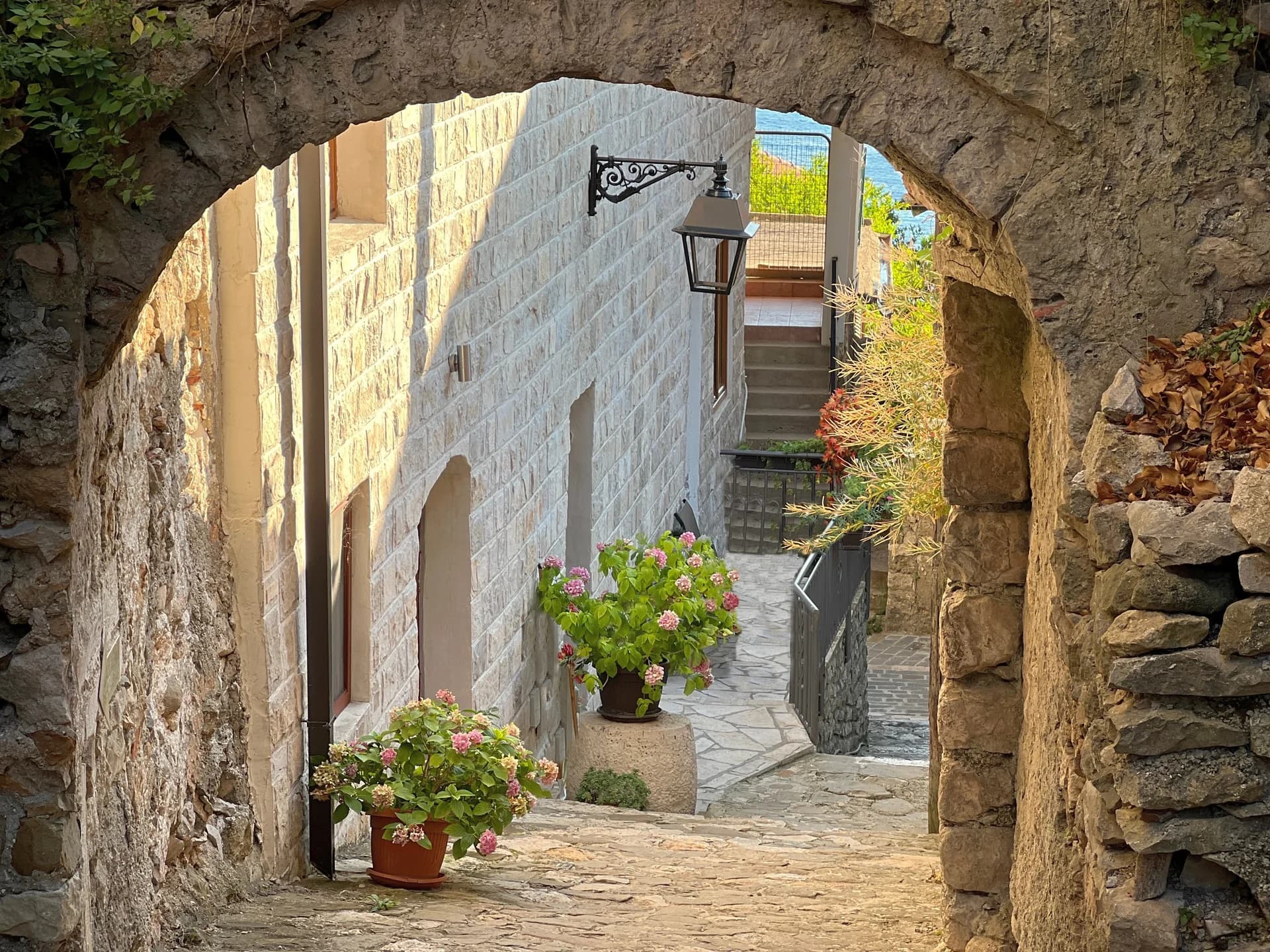
Montenegro has a way of making first-time visitors feel simultaneously overwhelmed and greedy. Within a country smaller than Connecticut, you will find medieval walled towns rising from Adriatic waters, a fjord-like bay that rivals Norway's best, beaches ranging from manicured resort strips to wild, rocky coves, a former royal capital frozen in 19th-century grandeur, Orthodox monasteries wedged into impossible cliff faces, and a mountain canyon so deep it makes the Grand Canyon look like a ditch by comparison. The temptation is to rush, to cram every landmark into a blur of car windows and camera clicks. Resist that temptation. Seven days is enough to experience Montenegro's essential character -- the drama of its landscapes, the warmth of its people, the excellence of its food -- if you plan thoughtfully and accept that you cannot see everything. This itinerary is built on hundreds of real driving times, tested restaurant recommendations, and the hard-won knowledge that the best moments in Montenegro often happen when you stop trying to check boxes and simply let the country unfold around you.
Before You Go: Practical Essentials
Getting There
Montenegro has two international airports: Tivat (TIV) on the coast and Podgorica (TGD) in the capital. Tivat is the more convenient arrival point for this itinerary, putting you 25 minutes from Kotor by car. Podgorica is about 90 minutes from the coast. A third option, increasingly popular, is flying into Dubrovnik (DBV) in Croatia and driving south -- Kotor is approximately two hours from Dubrovnik airport, crossing one border.
Renting a Car
A car is essential for this itinerary. Montenegro's public transport exists but is slow, infrequent, and does not reach many of the best viewpoints and mountain roads. Rental cars cost EUR 25-40 per day for a compact or midsize vehicle from agencies in Tivat, Podgorica, or Budva. Book in advance during July-August when demand peaks.
Key driving tips:
- Roads are generally good on main routes but narrow and winding on mountain roads.
- The Kotor serpentines (Day 5) and Durmitor roads (Day 6-7) require confidence with hairpin turns.
- Fuel costs approximately EUR 1.50-1.70 per liter.
- Parking in Kotor Old Town area costs EUR 1-2/hour in marked lots; free parking is available 5-10 minutes' walk away.
- Speed limits: 50 km/h in towns, 80 km/h on open roads, with frequent speed cameras.
- Drive with headlights on at all times -- it is legally required year-round.
Budget Overview
Estimated daily costs per person, based on two people sharing accommodation and a car:
| Category | Budget | Mid-Range | Comfort |
|---|---|---|---|
| Accommodation | EUR 25-35 | EUR 50-80 | EUR 100-200 |
| Food & Drink | EUR 15-25 | EUR 30-50 | EUR 50-80 |
| Activities & Entry | EUR 5-10 | EUR 10-20 | EUR 20-40 |
| Car (shared) | EUR 12-20 | EUR 15-25 | EUR 20-30 |
| Daily Total | EUR 57-90 | EUR 105-175 | EUR 190-350 |
Over seven days, expect to spend EUR 400-630 per person on a budget, EUR 735-1,225 mid-range, or EUR 1,330-2,450 for comfortable travel. These figures exclude flights and car rental deposit.
Day 1: Arrival and Kotor Old Town
Morning/Afternoon: Arrive and Settle In
If flying into Tivat, the drive to Kotor takes just 25 minutes along the bay's edge -- one of the most scenic airport-to-hotel transfers in Europe. From Dubrovnik, allow two hours including the border crossing at Debeli Brijeg, which can add 15-45 minutes during summer depending on queues.
Check into your accommodation in or near Kotor's Old Town. The town is compact enough that anything within a 10-minute walk of the main gate (Sea Gate) puts you in an ideal position. Drop your bags, stretch your legs from the journey, and resist the urge to do too much on arrival day.
Late Afternoon: Explore Kotor Old Town
Kotor's Old Town is a UNESCO World Heritage Site, a maze of narrow stone streets, small squares, and medieval churches enclosed within massive fortification walls that date from the Venetian period. It is one of the best-preserved medieval towns on the Adriatic, and it is small enough to explore thoroughly in two to three hours on foot.
Start at the Sea Gate (Vrata od Mora), the main entrance from the waterfront, and let yourself wander. Key stops include:
- Cathedral of Saint Tryphon (Katedrala Svetog Tripuna): A Romanesque cathedral dating from 1166, with 14th-century frescoes and a treasury of gold and silver relics. Entry EUR 3.
- Maritime Museum (Pomorski Muzej): Chronicles Kotor's centuries as a seafaring and trading power. Entry EUR 4.
- Cats Museum Square (Trg od Muzeja Macaka): A small square where Kotor's famously pampered stray cats congregate. The town has an earnest relationship with its cat population.
- Clock Tower (Sat Kula): The 17th-century tower at the main square, a useful orientation landmark.
Golden Hour: Climb to San Giovanni Fortress
This is the signature Kotor experience, and doing it in the late afternoon for sunset light is the optimal timing. The climb to the fortress of San Giovanni (St. John) involves approximately 1,350 steps carved into the mountainside behind the Old Town, rising 280 meters above sea level. The entry fee is EUR 8 (collected at a gate partway up), and the climb takes 30-60 minutes depending on fitness and how often you stop for photos -- and you will stop often, because the views become more spectacular with every turn.
The trail is uneven stone, steep in places, and fully exposed to the sun. Bring water (at least half a liter per person), wear proper shoes (not flip-flops), and start no later than two hours before sunset to allow time for a relaxed ascent and time at the top.
From the fortress ruins, the view encompasses the entire Bay of Kotor: the Old Town directly below like a terracotta and stone model, the bay stretching toward the Adriatic, cruise ships that look like bathtub toys, and mountains rising steeply on all sides. On clear evenings, the light turns everything gold, then amber, then deep blue.
Evening: Dinner
Descend before dark (the path is unlit) and reward yourself with dinner at one of Kotor's best restaurants:
- Scala Santa: Set against the fortress walls, atmospheric, excellent seafood and Montenegrin dishes. Mains EUR 12-25. Reservations recommended.
- Bastion: Contemporary Mediterranean dining in a historic setting near the North Gate. Creative menu, good wine list. Mains EUR 14-28.
Stay: Kotor (2 nights)
Day 2: Bay of Kotor -- Perast, Our Lady of the Rocks, and Herceg Novi
Morning: Perast and Our Lady of the Rocks
Drive northwest along the bay from Kotor to Perast, a distance of 12 kilometers that takes about 20 minutes. Perast is a tiny, car-free baroque village (permanent population under 300) that was once a wealthy seafaring settlement. Its waterfront is lined with crumbling palaces, and 16 churches serve a community that could fit in a large restaurant.
The main attraction is offshore: Gospa od Skrpjela (Our Lady of the Rocks), a small artificial island topped with a 17th-century church. According to legend, sailors found an icon of the Virgin Mary on a rock in the bay in 1452 and began piling stones around it, eventually creating the island. Water taxis run frequently from Perast's waterfront (EUR 5 per person return, 5-minute crossing). The church interior features 68 paintings by Tripo Kokolja, a 17th-century Perast-born artist, and a collection of silver votive tablets left by sailors.
Allow 30-45 minutes on the island, then return to Perast for coffee or an early lunch on the waterfront. Conte is the standout restaurant: waterfront tables, excellent seafood, and views directly toward Our Lady of the Rocks. Mains EUR 12-22.
Afternoon: Drive to Herceg Novi
Continue northwest around the bay to Herceg Novi, a journey of about 45 minutes from Perast. Herceg Novi sits at the entrance to the Bay of Kotor, facing the open Adriatic, and has a different character from the inner-bay towns -- lusher, more subtropical, with palm-lined promenades and a year-round mild climate that earned it the nickname "the city of sun and flowers."
Explore on foot:
- Forte Mare: A seaside fortress at the harbor entrance, originally built in the 14th century, now used for summer concerts and events. Small entry fee, excellent views.
- Kanli Kula (Bloody Tower): An Ottoman-era fortress above the town, converted into a striking open-air amphitheater that hosts summer performances. Entry EUR 2.
- The Setaliste (promenade): A 7-kilometer waterfront walkway stretching from the town center toward Igalo, lined with cafes, swimming spots, and Mediterranean vegetation. Walk as far as you like -- even 20 minutes offers a sense of the town's relaxed character.
Evening
Return to Kotor (45-minute drive) or, if you have decided to overnight in Herceg Novi, settle in for dinner. The drive back along the bay at twilight is atmospheric -- the water turns silver, the mountains become silhouettes, and the towns glow with warm light.
Stay: Kotor or Herceg Novi
Day 3: Budva, Mogren Beach, and Sveti Stefan
Morning: Drive to Budva and Mogren Beach
Check out of Kotor and drive south to Budva, approximately one hour via the coastal road that tunnels through the mountains. Budva is Montenegro's primary beach resort town, louder and more commercial than Kotor, but its Old Town -- a fortified peninsula jutting into the sea -- is genuinely beautiful and worth exploring.
Start with Mogren Beach, one of the prettiest urban beaches on the coast. Access is through a short tunnel carved into the rock on the western side of Budva Old Town. The beach is a mix of fine pebble and sand, flanked by dramatic cliffs, with clean water and a view back toward the Old Town walls. It is free to access, though sunbed rental costs EUR 10-15 per set. Arrive before 10 AM to secure a good spot in summer.
After the beach, explore Budva Old Town -- it takes about 30-45 minutes to walk the walls, visit the small churches, and browse the narrow streets. The Citadela at the peninsula's tip offers panoramic views for EUR 3.50 entry.
Lunch
Jadran, located on the Old Town walls directly above the sea, is the most dramatically positioned restaurant in Budva. The terrace juts out over the water, and on calm days you can hear waves beneath your feet. Seafood is the focus: try the black risotto or grilled fish. Mains EUR 12-25.
Afternoon: Sveti Stefan Photo Stop
Drive 15 minutes south of Budva to the Sveti Stefan viewpoint. Sveti Stefan is a former fishing village on a small islet connected to the mainland by a narrow causeway, now operated as an exclusive Aman resort. Non-guests cannot access the island itself, but the viewpoint from the mainland road above is one of the most photographed scenes in Montenegro -- and in all of southern Europe.
The classic shot shows the red-roofed stone village on its rocky islet, the narrow beach stretching to either side, and the Adriatic stretching to the horizon. Late afternoon light is best for photography, with the sun illuminating the stone walls in warm tones.
The public beach on the mainland side of the causeway (Sveti Stefan Queen's Beach) charges EUR 50-100 per sunbed during summer -- it is one of the most expensive beach spots in Montenegro and not recommended unless you specifically want the luxury experience.
Evening
Return to Budva for dinner at Porto (modern Mediterranean, mains EUR 14-28) or explore the Old Town bar scene. In summer, Budva has the most active nightlife on the coast. Top Hill, a massive open-air nightclub built into the hillside above the town, hosts international DJs from June through September. Cover charges vary (EUR 10-30 depending on the event).
Stay: Budva (2 nights)
Day 4: Beach Day -- Jaz, Becici, or Sveti Nikola Island
Today is intentionally unstructured. After three days of driving and sightseeing, a day of beach relaxation recharges you for the mountain days ahead. Choose one option or combine them.
Option A: Jaz Beach
Located 2.5 kilometers northwest of Budva (5 minutes by car), Jaz is a large, sandy beach backed by a shallow lagoon. It is popular with families and has a more relaxed atmosphere than Budva's town beaches. Parking costs EUR 5 per day. The beach has two sections: a developed area with sunbeds and bars, and a quieter, more natural section to the north. Water is shallow and warm, ideal for swimming.
Jaz has hosted major music festivals (including a Rolling Stones concert in 2007 and a Madonna concert in 2008) and retains a slightly bohemian character.
Option B: Becici Beach
Stretching 2 kilometers south of Budva, Becici is a wide, sandy beach that has held Blue Flag status for water quality. It is more developed than Jaz, with hotel beach clubs, water sports rentals (jet ski EUR 40-50/15 min, parasailing EUR 40-60), and beachfront restaurants. The beach is walkable from central Budva or a short drive/taxi.
Option C: Sveti Nikola Island
Known locally as "Hawaii" (for unclear reasons -- it looks nothing like Hawaii), Sveti Nikola is a forested island visible from Budva's waterfront. Water taxis depart regularly from Budva harbor (EUR 3-5 return, 15-minute crossing). The island has several pebble beaches, a beach bar, and hiking trails through pine forest. It is the best option if you want a combination of swimming and light walking.
What to Pack for Beach Days
- Reef shoes or water sandals (many beaches have pebble sections)
- Snorkeling mask (the water is clear, with fish visible near rocky areas)
- Cash for parking, sunbed rental, and beach bars
- Sun protection (the Adriatic sun is intense from June through September)
- A light cover-up for walking to/from lunch at restaurants
Stay: Budva
Day 5: Cetinje, Lovcen National Park, and the Serpentine Descent
This is the most dramatic day of the itinerary -- a journey from coast to mountain summit and back, with some of the most spectacular driving in Europe.
Morning: Drive to Cetinje
Leave Budva heading inland toward Cetinje, the old royal capital of Montenegro. The drive takes about one hour via the modern road. Cetinje sits at approximately 670 meters altitude on a small karst plain surrounded by mountains, and its character is utterly different from the coast -- quieter, cooler, more introspective.
Cetinje served as Montenegro's capital from the 15th century until 1946, and its grand but fading buildings tell the story of a tiny kingdom that punched well above its weight in European diplomacy. Key stops:
- National Museum of Montenegro: Housed in the former Royal Palace of King Nikola. Entry EUR 5. Allow 45 minutes.
- Cetinje Monastery: An active Orthodox monastery that houses one of Christianity's most significant relics -- a purported fragment of the hand of John the Baptist. Entry is free, but dress modestly (covered shoulders and knees) and be respectful of worshippers.
- Biljarda (Njegos Museum): The former residence of Petar II Petrovic-Njegos, Montenegro's greatest poet-ruler, now a museum dedicated to his life and works. Entry EUR 3.
Have an early lunch at Kole, the best restaurant in Cetinje, where mountain dishes -- kacamak, Njeguski steak, lamb -- are served at prices well below coastal levels. Mains EUR 8-15.
Afternoon: Lovcen National Park and Njegos Mausoleum
From Cetinje, drive 30 minutes to the summit area of Lovcen National Park. The road climbs steeply through forest, and the air temperature drops noticeably. At the top, park at the Njegos Mausoleum parking area (entry to the national park EUR 5 per person).
The Njegos Mausoleum sits at the second-highest peak of Mount Lovcen (1,657 meters). To reach it, climb 461 steps through a tunnel carved into the rock. The mausoleum itself, designed by sculptor Ivan Mestrovic in the 1970s, is a striking modernist structure in dark granite. Inside, a massive statue of Njegos sits beneath a gold mosaic ceiling. But the real draw is the panoramic view from the terrace: on clear days, you can see the entire Bay of Kotor, the Adriatic coast, Lake Skadar, and mountains stretching into Albania and beyond. It is one of the great views of the Mediterranean.
Late Afternoon: Njeguski Village
Descend from the summit toward the village of Njeguski, the birthplace of the Njegos dynasty and the home of Montenegro's most famous food products: Njeguski prsut and Njeguski cheese. Several family-run shops and tasting rooms line the road through the village, offering samples and selling vacuum-packed products for EUR 25-40 per kilogram. This is the place to buy edible souvenirs.
The Serpentine Descent to Kotor
From Njeguski, the road descends to Kotor via one of Europe's most dramatic mountain roads: 25 hairpin turns dropping from approximately 900 meters to sea level in about 10 kilometers. The drive takes 45-60 minutes and requires full concentration -- the road is narrow, occasionally shared with tour buses, and the drop-offs are severe. But the views are staggering. Each switchback reveals a different angle of the Bay of Kotor far below, and there are several pull-off points for photos.
Arrive in Kotor in the early evening, exhilarated and possibly white-knuckled. Check into accommodation and have a quiet dinner -- you have earned it.
Stay: Kotor (1 night)
Day 6: The Long Drive North -- Ostrog Monastery and Durmitor
Today is a driving day, covering approximately 200 kilometers from the coast to the mountains. The route takes 3.5-4 hours of actual driving time, plus stops.
Morning: Depart for the North
Leave Kotor early (by 8 AM if possible) and drive north via the E65 highway toward Niksic and Zabljak. The road follows the Moraca River gorge for a significant stretch, one of Montenegro's most scenic drives even at highway speed.
Mid-Morning Stop: Ostrog Monastery
Approximately two hours from Kotor, Ostrog Monastery is carved directly into a sheer cliff face 900 meters above the Zeta River valley. It is the most visited pilgrimage site in Montenegro and one of the most visually extraordinary monasteries in the world. From a distance, the white facade appears to float against the grey rock like a mirage.
Ostrog was founded in the 17th century by Saint Basil of Ostrog (Sveti Vasilije Ostroski), whose remains are kept in the upper monastery. The site is revered by Orthodox Christians, Catholics, and Muslims alike, all of whom attribute miraculous healing powers to the saint's relics.
Practical notes:
- Entry is free.
- Dress code is enforced: covered knees and shoulders for both men and women. Wraps are available at the entrance.
- The upper monastery involves a steep 10-15 minute walk from the parking area. A shuttle operates during busy periods.
- Visit duration: 45-60 minutes.
- The road to Ostrog turns off the main highway and climbs steeply for 7 kilometers. It is paved but narrow, with significant drop-offs. Drive slowly.
Afternoon: Arrive in Zabljak and Black Lake
Continue north from Ostrog toward Zabljak, the gateway town to Durmitor National Park. The remaining drive takes approximately 1.5-2 hours, passing through increasingly dramatic mountain terrain. Zabljak sits at 1,456 meters altitude, making it one of the highest towns in the Balkans.
After checking into accommodation (options range from mountain lodges at EUR 30-50/night to the Hotel Zabljak at EUR 60-80), drive or walk to Crno Jezero (Black Lake), the most accessible and arguably the most beautiful of Durmitor's 18 glacial lakes. It is located just 3 kilometers from the town center, inside the national park (entry EUR 3 per person).
The circuit trail around Black Lake is 3.6 kilometers, flat and well-maintained, and takes approximately one hour at a leisurely pace. The lake's dark, mirror-still waters reflect the surrounding spruce forest and the 2,522-meter peak of Medjed (Bear Peak) behind. In the late afternoon, when the light softens and the day-trippers have left, it is one of the most serene places in Montenegro.
Evening
Dinner in Zabljak. Try kacamak (the cornmeal and cheese porridge that is at its best in this region) at one of the local restaurants. Zabljak is a small town with limited but honest dining -- the focus is on mountain food, grilled meat, and local cheese.
Stay: Zabljak (1 night)
Day 7: Tara River Bridge, Adventure Options, and Departure
Morning: Tara River Bridge (Durdevica Tara)
Drive 10 minutes north of Zabljak to the Durdevica Tara Bridge, one of the most iconic structures in Montenegro. Built between 1937 and 1940, this concrete arch bridge spans the Tara River Canyon at a height of 172 meters above the river, making it one of the highest vehicular bridges in Europe at the time of its construction.
The bridge itself is impressive -- 365 meters long with five arches -- but the canyon it crosses is the real spectacle. The Tara River Canyon is the deepest in Europe (1,300 meters at its deepest point) and the second deepest in the world after the Grand Canyon, a fact that surprises most visitors. From the viewpoints near the bridge, you look down into a vast gorge of forested limestone, with the emerald-green Tara River winding along the bottom.
There is no entry fee to cross the bridge or use the viewpoints. Souvenir stalls and a small cafe are located at the parking area.
Morning Options: Adventure Activities
If you have time and inclination, two adventure activities are available near the bridge:
Zipline across the canyon: A 350-meter zipline runs from near the bridge across the canyon, reaching speeds of up to 100 km/h. Duration about 1 minute of actual zipping, plus 30 minutes for setup and safety briefing. Cost EUR 20. Operates daily in summer. A genuine adrenaline experience with extraordinary views.
Tara River rafting: Rafting trips on the Tara River range from 2-hour introductory runs (EUR 40-60 per person) to full-day adventures covering 25 kilometers (EUR 80-100). The Tara is a UNESCO Biosphere Reserve, and the rafting passes through pristine canyon scenery with rapids ranging from Class II to IV depending on the section and season. Most operators include transport from Zabljak, equipment, and a riverside lunch. Book in advance during July-August.
Afternoon: Drive South via Moraca Canyon
The return drive south follows the E65 highway through the Moraca Canyon, one of the most dramatic road gorges in Europe. The road runs alongside the Moraca River, which has carved a narrow, winding canyon through limestone mountains. For approximately 30 kilometers, the road threads between sheer rock walls rising hundreds of meters on either side, crossing the river multiple times on bridges.
Key stops:
- Moraca Monastery: A 13th-century Serbian Orthodox monastery located in a green valley within the canyon. The church contains well-preserved medieval frescoes. Entry is free. Allow 20-30 minutes.
- Canyon viewpoints: Several pull-off areas along the road offer views into the gorge. The rocks display striking geological layers, and the river below is an intense shade of green.
Late Afternoon/Evening: Arrival and Departure
From the Moraca Canyon, continue south toward your departure point:
- To Podgorica airport: Approximately 1.5 hours from the canyon exit. Evening flights depart regularly to major European hubs.
- To Tivat airport: Approximately 2.5 hours via Podgorica and the coast road. Allow extra time in summer.
- To extend your stay: If you have additional days, continue to the coast and base yourself in Budva, Kotor, or along the southern coast toward Bar and Ulcinj for a different perspective.
Alternative Activities and Modifications
If You Have More Time
- Lake Skadar (add 1 day between Days 3-5): The largest lake in the Balkans, shared between Montenegro and Albania. Boat tours through water lily fields, bird watching (pelicans, herons), wine tasting at lakeside vineyards, and the riverside village of Rijeka Crnojevica. The lake is best visited April-June or September-October.
- Ulcinj and Ada Bojana (add 1-2 days after Day 4): Montenegro's southernmost coast, with a distinctly different character -- Ottoman-influenced Old Town, long sandy beaches, and Ada Bojana's naturist beach and kite-surfing.
- Biogradska Gora National Park (add to Day 6): One of Europe's last remaining primeval forests, located between the coast and Durmitor. A detour of approximately one hour from the main route adds a pristine glacial lake and ancient forest walk.
If the Weather is Bad
- Day 4 (beach day) can be replaced with a visit to the Tivat Porto Montenegro marina complex (shops, restaurants, Naval Heritage Collection museum), the Blue Grotto boat tour from Herceg Novi (weather permitting in the bay), or an indoor wine tasting experience.
- Mountain days (6-7) in poor weather: the drive through Moraca Canyon and visit to Ostrog Monastery remain spectacular in rain. Black Lake in mist has an eerie beauty. Only the Lovcen summit (Day 5) is significantly diminished by cloud cover -- reschedule to a clear day if possible.
What to Pack
- Every day: Sunglasses, sunscreen, refillable water bottle, camera, comfortable walking shoes
- Days 1-4: Swimwear, beach towel (or rent at beaches), light layers for evening
- Day 5: Proper walking shoes for the Lovcen steps and serpentines; a light jacket for mountain altitude
- Days 6-7: Warmer layers (Zabljak at 1,456m is notably cooler than the coast, even in summer), rain jacket, sturdy walking shoes for Black Lake trail
Where to Stay
Kotor (Days 1, 2, 5)
Kotor offers the widest range of accommodation on this itinerary. The Old Town itself has a growing number of boutique hotels and guest houses set in restored medieval buildings -- atmospheric but potentially noisy during summer evenings. For quieter stays, look at Dobrota (a waterfront village 2 km north of the Old Town) or Muo (across the bay, with beautiful views back toward Kotor).
- Budget: Guesthouses and hostels from EUR 25-40/night
- Mid-range: Small hotels and apartments from EUR 50-100/night
- Upscale: Boutique hotels from EUR 120-250/night
Budva (Days 3-4)
Budva has the largest concentration of hotels on the coast, ranging from Soviet-era blocks (renovated, usually) to modern beachfront resorts. The Old Town and Slovenska Plaza area are the most convenient locations for this itinerary. Becici, 2 km south, offers a slightly quieter alternative with direct beach access.
- Budget: Apartments and guesthouses from EUR 30-50/night
- Mid-range: Hotels from EUR 60-120/night
- Upscale: Resort hotels from EUR 150-300/night
Zabljak (Day 6)
Zabljak is a small mountain town with limited but growing accommodation. Expect mountain lodge character rather than coastal polish. Most hotels include breakfast.
- Budget: Guesthouses from EUR 25-40/night
- Mid-range: Mountain hotels from EUR 50-80/night
- Upscale: Newer lodges from EUR 80-130/night
Browse our full selection of Montenegro accommodations at montenegro.com/properties, filterable by location, price, and amenities, to find the perfect base for each stage of your journey.
Frequently Asked Questions
Is seven days enough for Montenegro?
Seven days is enough to experience the country's essential highlights -- the Bay of Kotor, the coast, the mountains -- at a comfortable pace. It is not enough to see everything. The south coast (Ulcinj, Ada Bojana), Lake Skadar, and Biogradska Gora National Park are significant omissions from this itinerary. If you have 10-14 days, you can add these destinations and travel at a more relaxed pace.
Is it safe to drive the mountain roads?
Yes, with normal caution. The Lovcen serpentines and Durmitor mountain roads are narrow and winding with significant drop-offs, but they are paved and maintained. Drive slowly, use low gears on descents, pull over for oncoming traffic on narrow sections, and avoid driving these roads at night. If you are genuinely uncomfortable with mountain driving, consider hiring a local driver for Days 5-7 (approximately EUR 100-150 per day).
What is the best time of year for this itinerary?
May-June and September-October are ideal. The weather is warm and sunny on the coast (20-28 degrees Celsius), the mountains are accessible, accommodation is available without advance booking, and crowds are manageable. July-August brings peak heat (30-35 degrees on the coast), heavy crowds in Kotor and Budva, higher prices, and the best swimming conditions. The Durmitor portion is snow-free from late May through October.
Do I need to book restaurants in advance?
In July-August, reservations are recommended for Kotor and Budva's top restaurants (Galion, Scala Santa, Jadran). At other times, walk-ins are generally fine everywhere. Mountain restaurants (Zabljak, Kolasin) rarely require reservations.
Can I do this itinerary without a car?
It is technically possible but significantly less practical. Buses connect Kotor, Budva, Cetinje, and Podgorica, but service to Lovcen summit, Njeguski village, Ostrog Monastery, and Durmitor is limited or nonexistent without organized tours. If you do not want to drive, consider booking guided day tours for Days 5 and 6-7, and using buses and taxis for the coastal days.
What currency does Montenegro use?
Montenegro uses the euro (EUR) as its official currency, despite not being an EU member state. This is convenient for European visitors. Credit cards are widely accepted in tourist areas, but carry cash for parking, small restaurants, market purchases, and mountain areas.
References
[1] Kotor and its Bay of Kotor: UNESCO World Heritage Site listing and conservation. UNESCO World Heritage Centre. whc.unesco.org/en/list/125. Accessed 2025.
[2] Driving distances and times verified via Google Maps and OpenStreetMap routing data, cross-referenced with on-the-ground driving experience. Drive times include realistic stops and seasonal traffic considerations.
[3] Durmitor National Park: UNESCO World Heritage Site, park regulations, and trail information. UNESCO World Heritage Centre. whc.unesco.org/en/list/100. National Parks of Montenegro. nparkovi.me. Accessed 2025.
[4] Tara River Canyon depth and rafting information. Montenegro National Tourism Organisation. montenegro.travel/en/activity/rafting. Accessed 2025.
[5] Ostrog Monastery visitor information and history. Serbian Orthodox Church, Metropolitanate of Montenegro and the Littoral. Accessed 2025.
[6] Montenegro route suggestions and regional travel planning. Montenegro National Tourism Organisation. montenegro.travel/en/explore. Accessed 2025.
[7] Local tour operator pricing for rafting, zipline, and guided activities. Confirmed via Montenegro Adventure Centre and multiple Zabljak-based operators, summer 2024-2025 pricing.