Blog
Stories, guides, and insights about Montenegro
Stories, guides, and insights about Montenegro
 CitiesUpdated
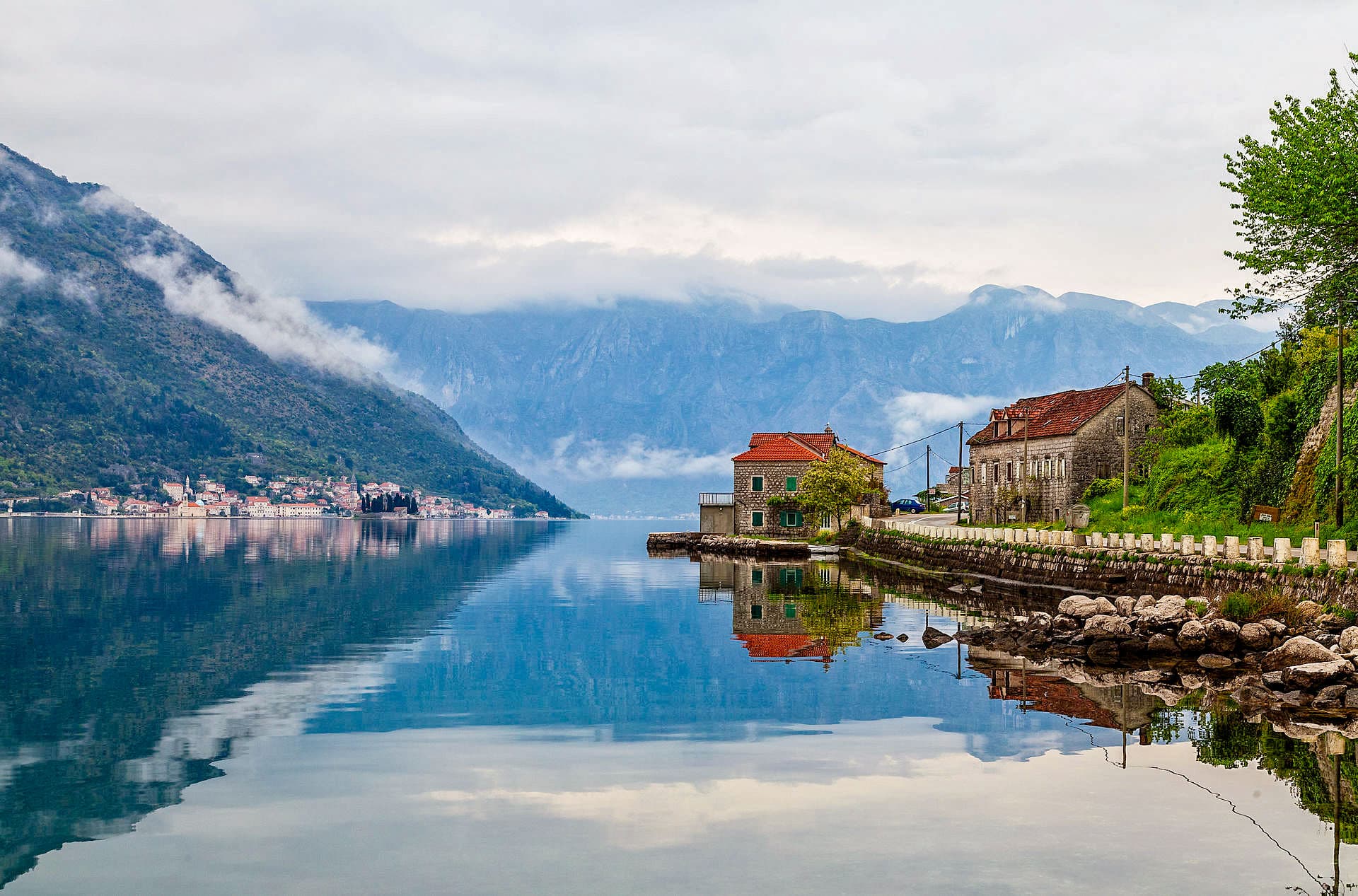
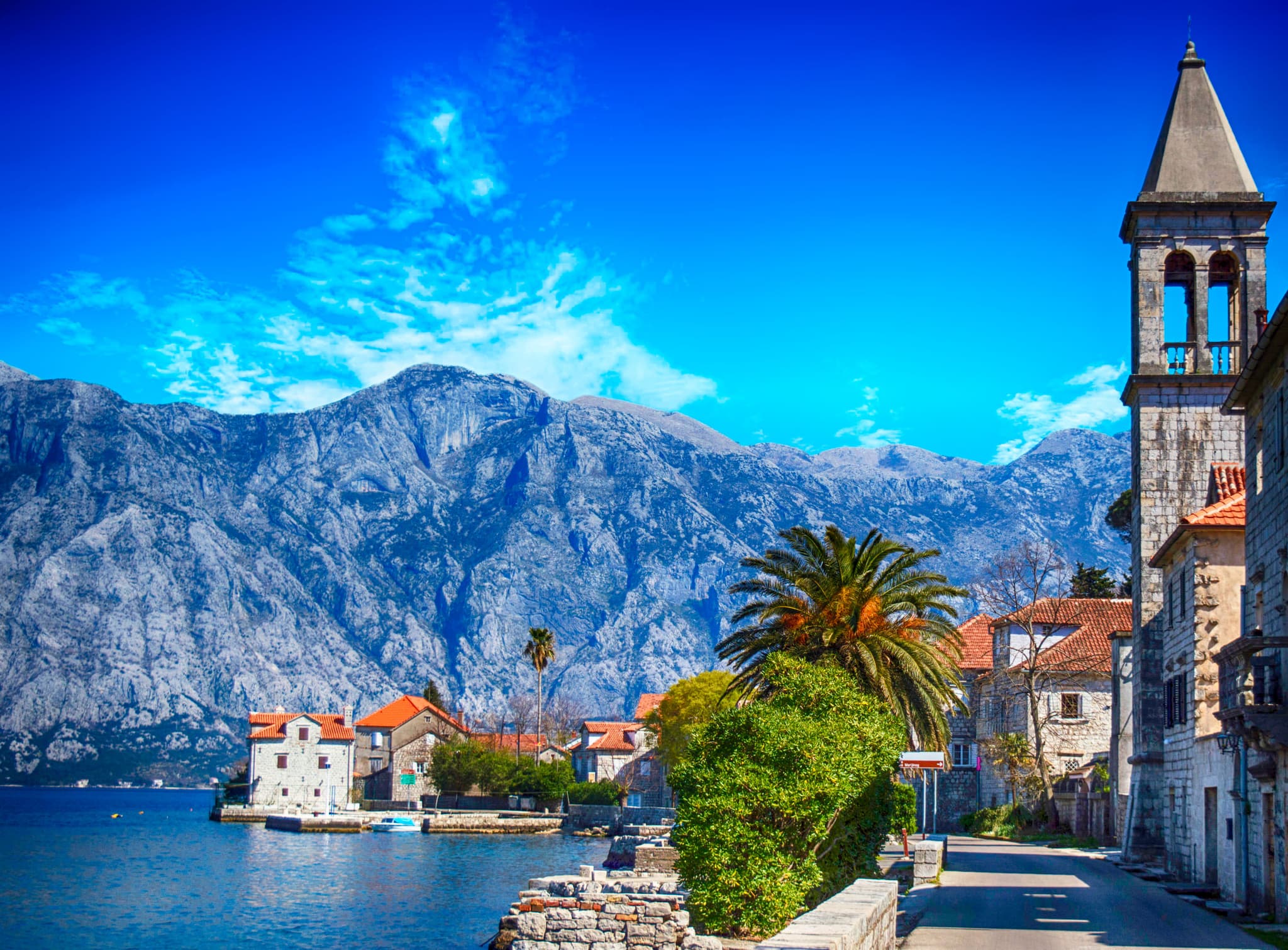
Few places in the Mediterranean can claim two millennia of continuous history, a UNESCO World Heritage designation, and a setting so dramatic it stops first-time visitors mid-sentence. Kotor is one of them. Tucked at the innermost tip of the Bay of Kotor — a serpentine inlet often called Europe's...
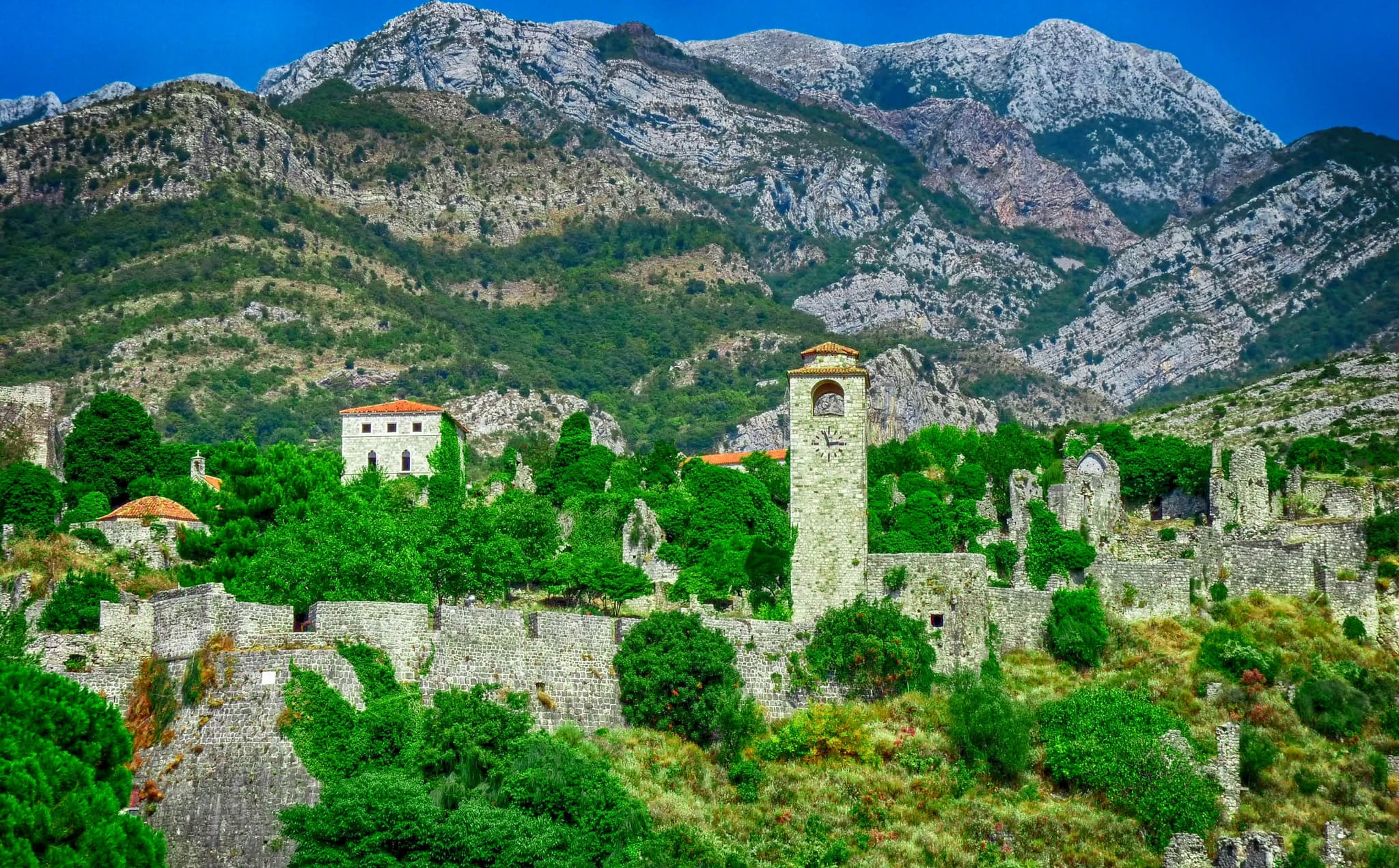
Bar is a city of layers. Walk along its modern waterfront promenade, past ferry terminals and bustling cafes, and you could be in any Mediterranean port town. But drive four kilometers inland and uphill, and you step into a completely different world — the haunting ruins of Stari Bar, a medieval ...
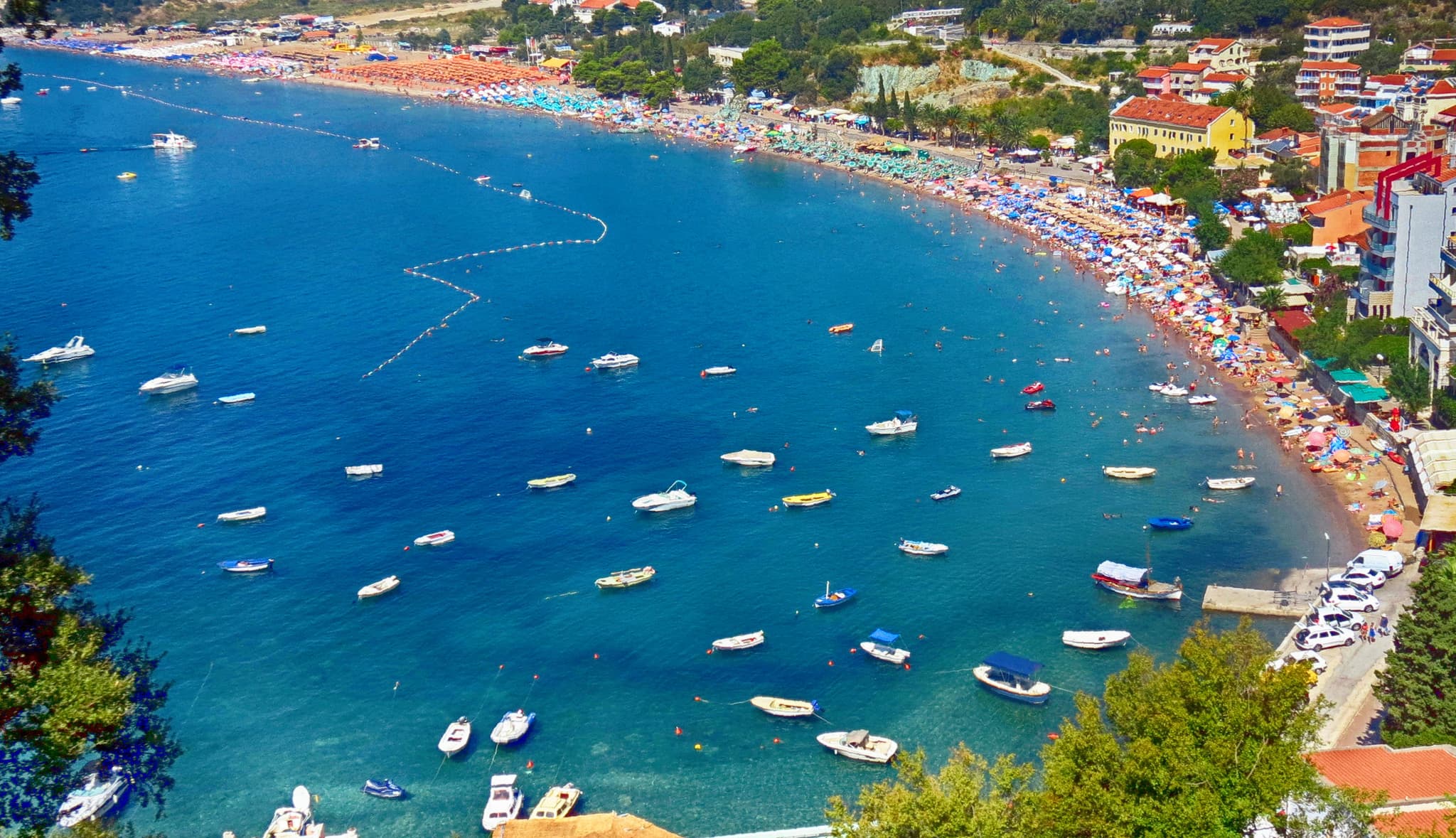
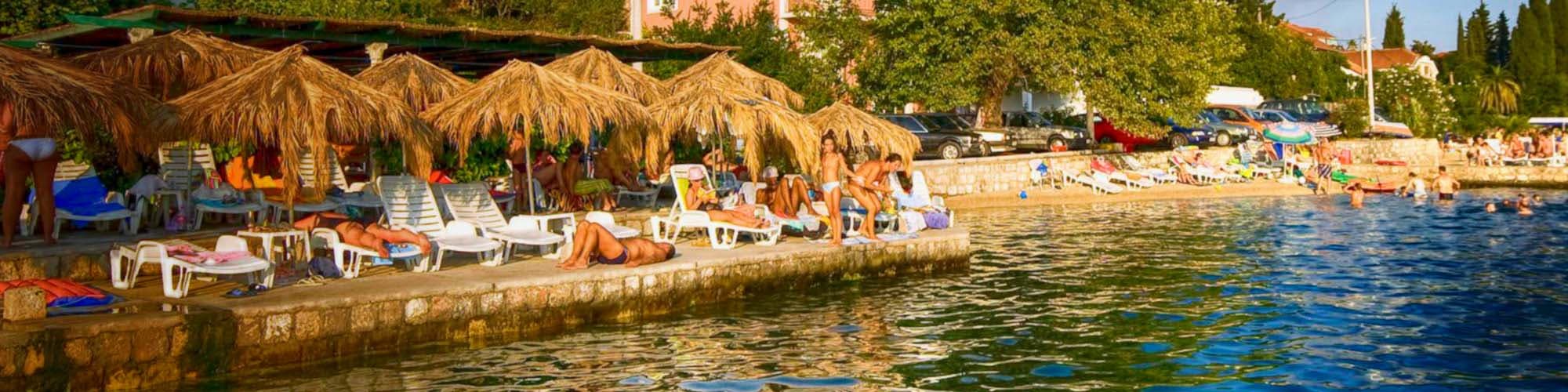
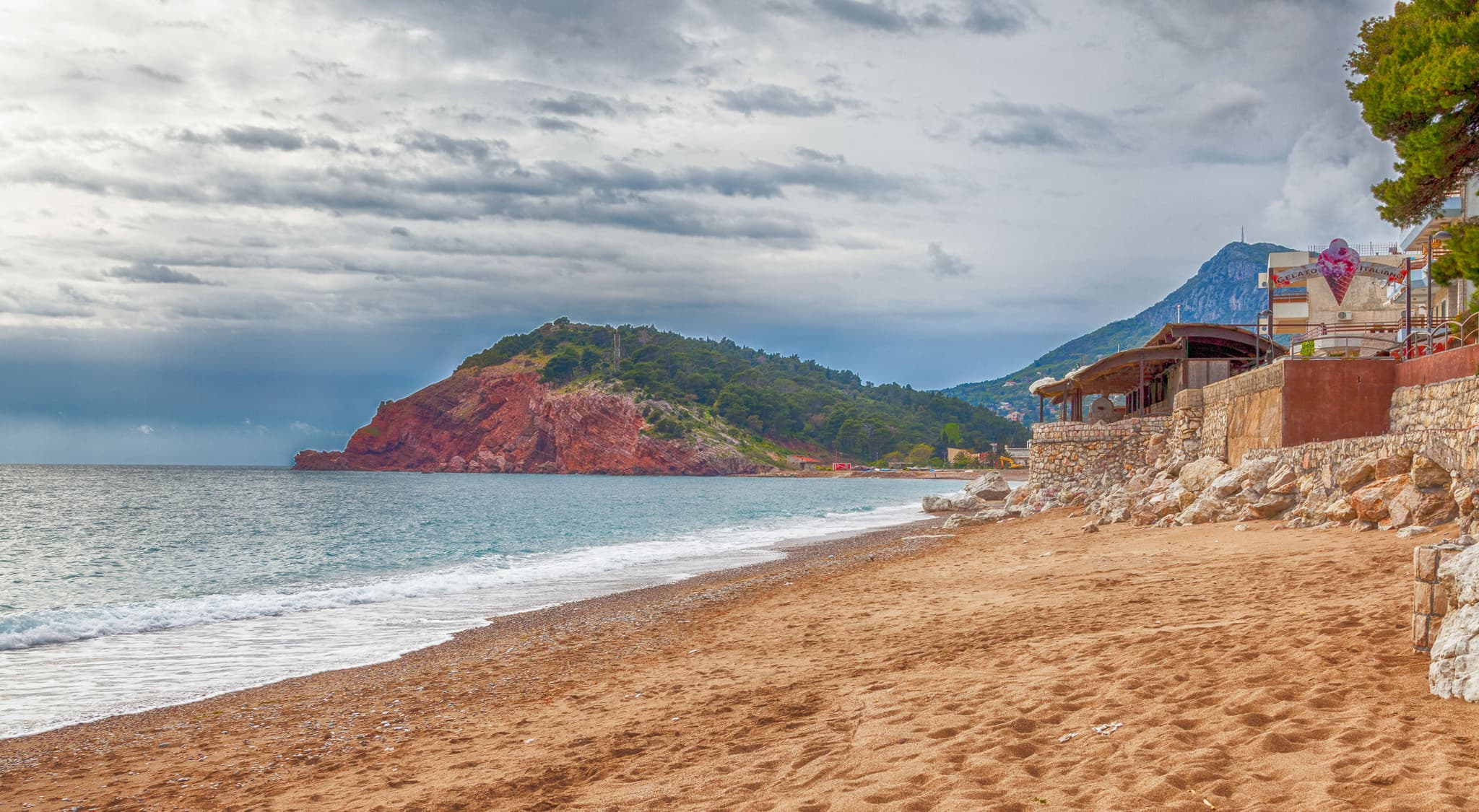
There is a stretch of the Montenegrin coastline where the mountains ease back just enough to cradle a small bay in red-tinged sand, where the evenings smell of grilled fish and pine resin, and where families return year after year because the water is gentle, the town is walkable, and nobody is i...
Tucked away at 954 metres above sea level, where the Bjelasica and Sinjajevina mountain ranges converge in a sweeping amphitheatre of forested peaks and alpine meadows, Kolašin is the kind of place that makes you wonder why the whole world hasn't discovered it yet. This compact mountain town in c...
 CitiesUpdated
Few places in the Balkans can match the raw grandeur of Zabljak and Durmitor National Park. Sitting at 1,456 metres above sea level, Zabljak holds the distinction of being the highest town in the Balkans — a small settlement of roughly 2,000 people that serves as the gateway to one of Europe's la...
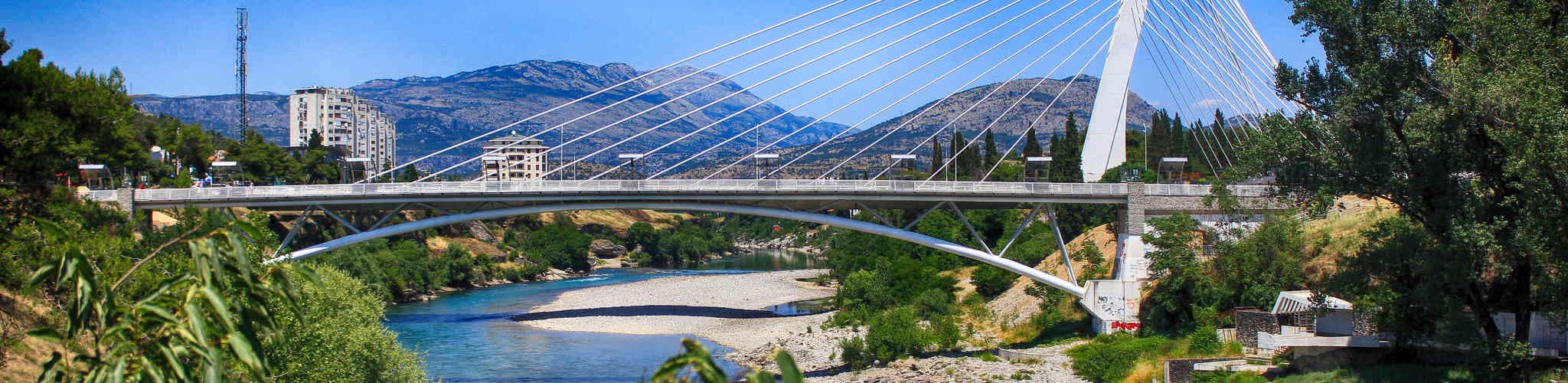
Most travelers fly into Podgorica and leave within the hour, heading straight for the coast or the mountains. That is a mistake. Montenegro's capital is not a postcard-perfect medieval town, and it does not pretend to be. What it offers is something rarer: a living city with layers of history bur...
Get weekly stories, guides, and insider tips about Montenegro delivered to your inbox.
Tucked into a small karst field at the foot of Mount Lovcen, Cetinje feels like stepping into a different Montenegro altogether. There are no beach bars here, no cruise ship crowds, no souvenir shops hawking refrigerator magnets. Instead, you find wide boulevards lined with linden trees, faded em...
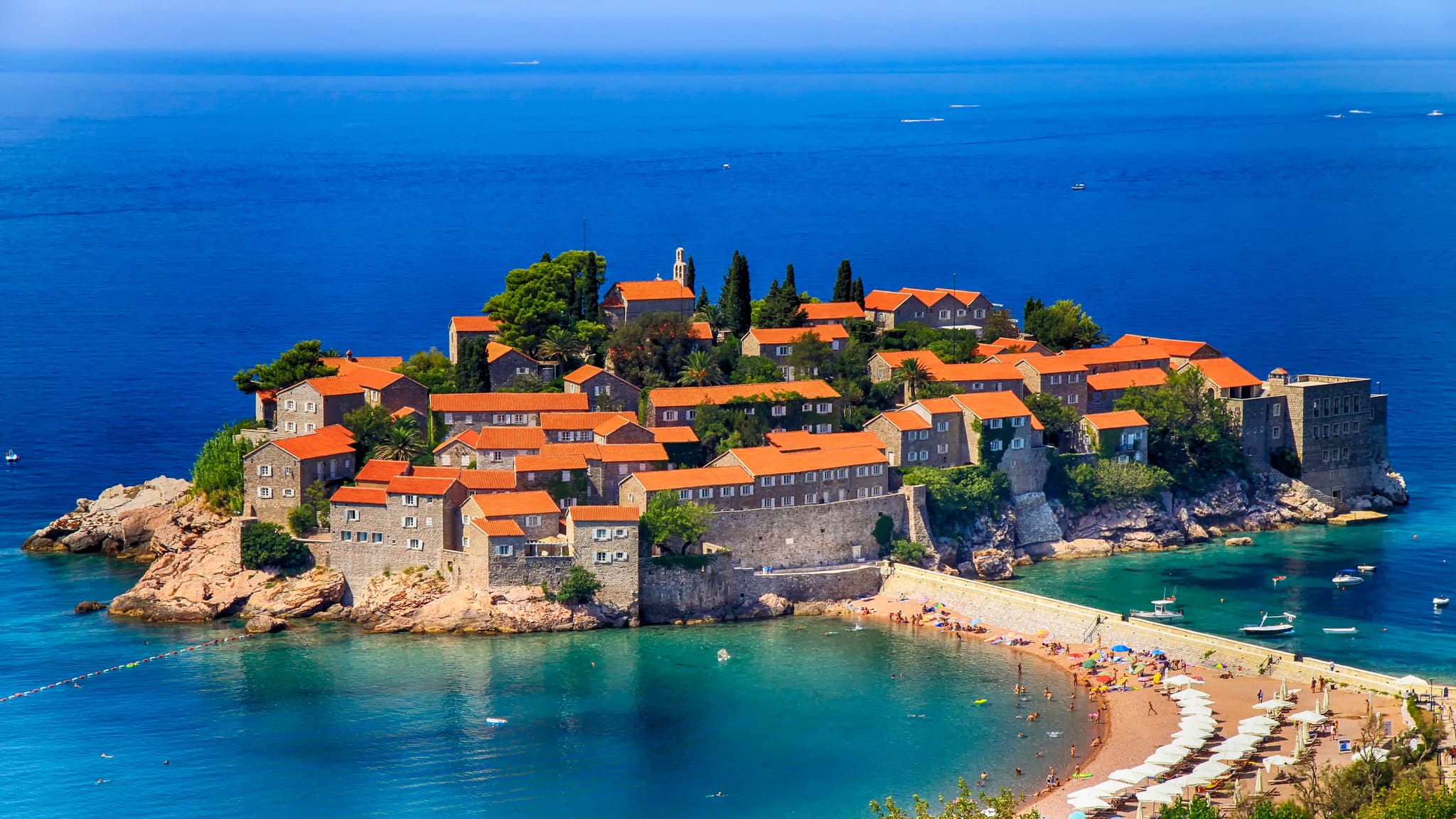
There is no sight in Montenegro quite like Sveti Stefan. A cluster of terracotta-roofed stone houses spilling across a small rocky islet, connected to the mainland by a slender causeway, with turquoise water lapping at pink-tinged sand on either side. It is the image that sells Montenegro to the ...
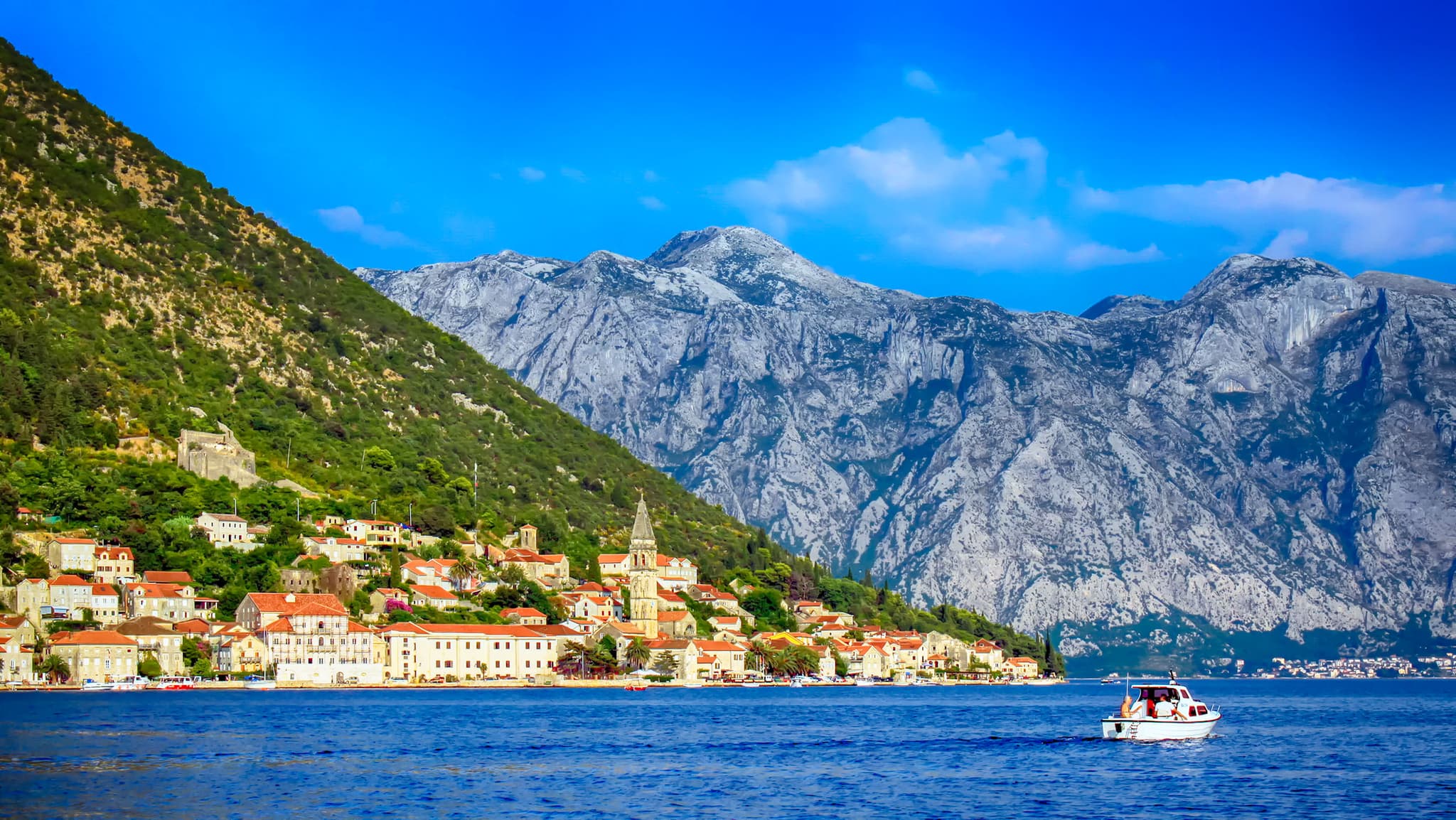
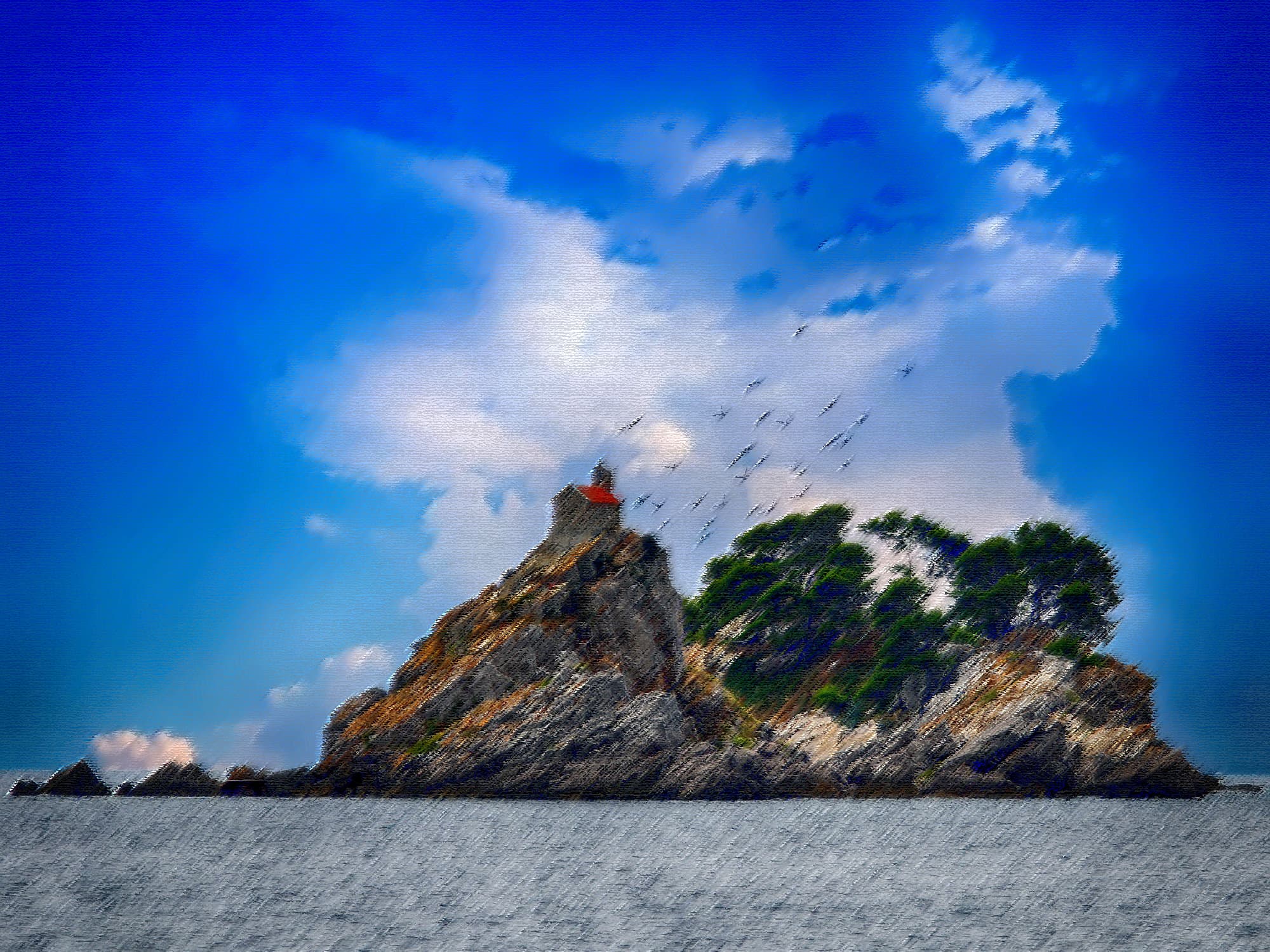
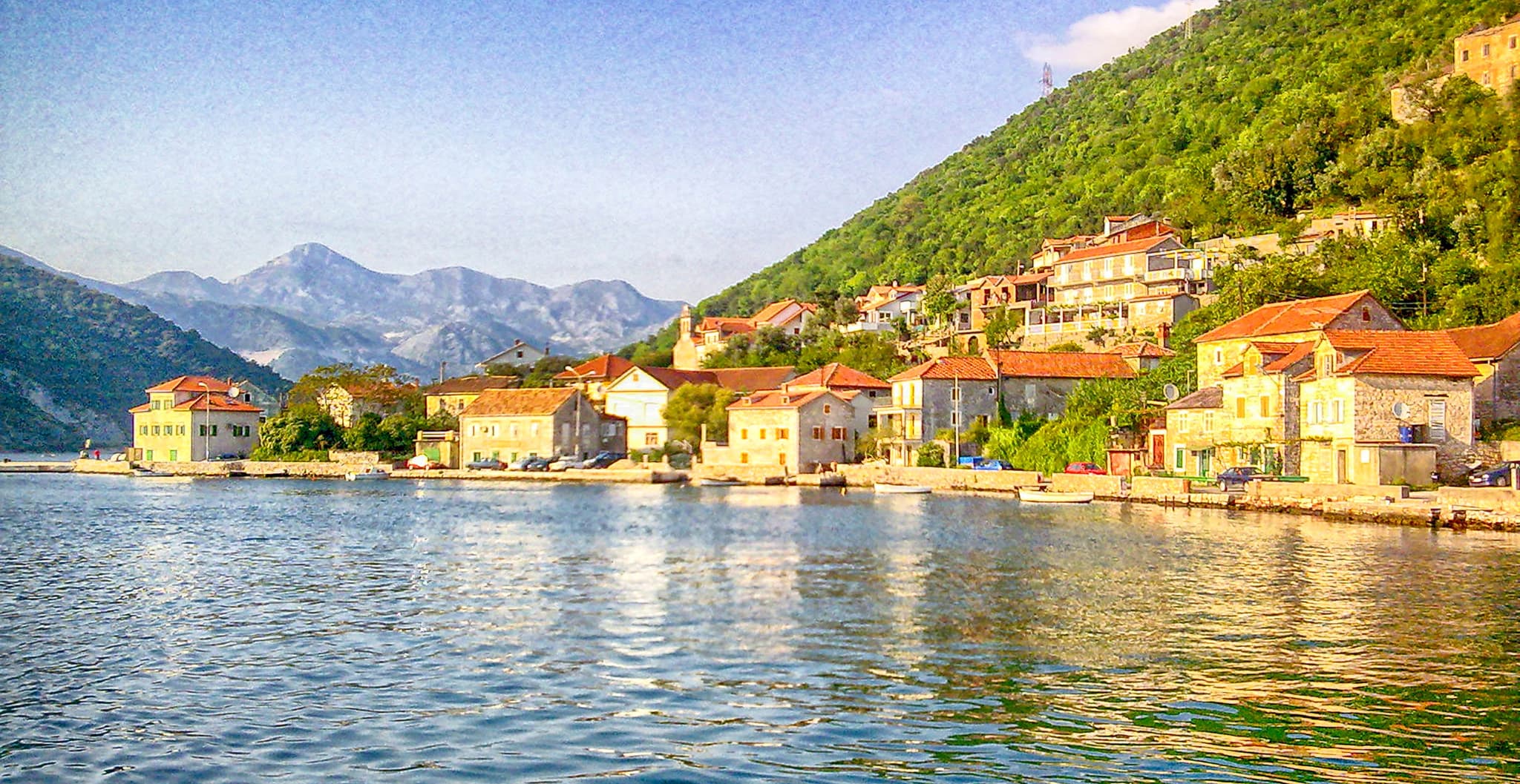
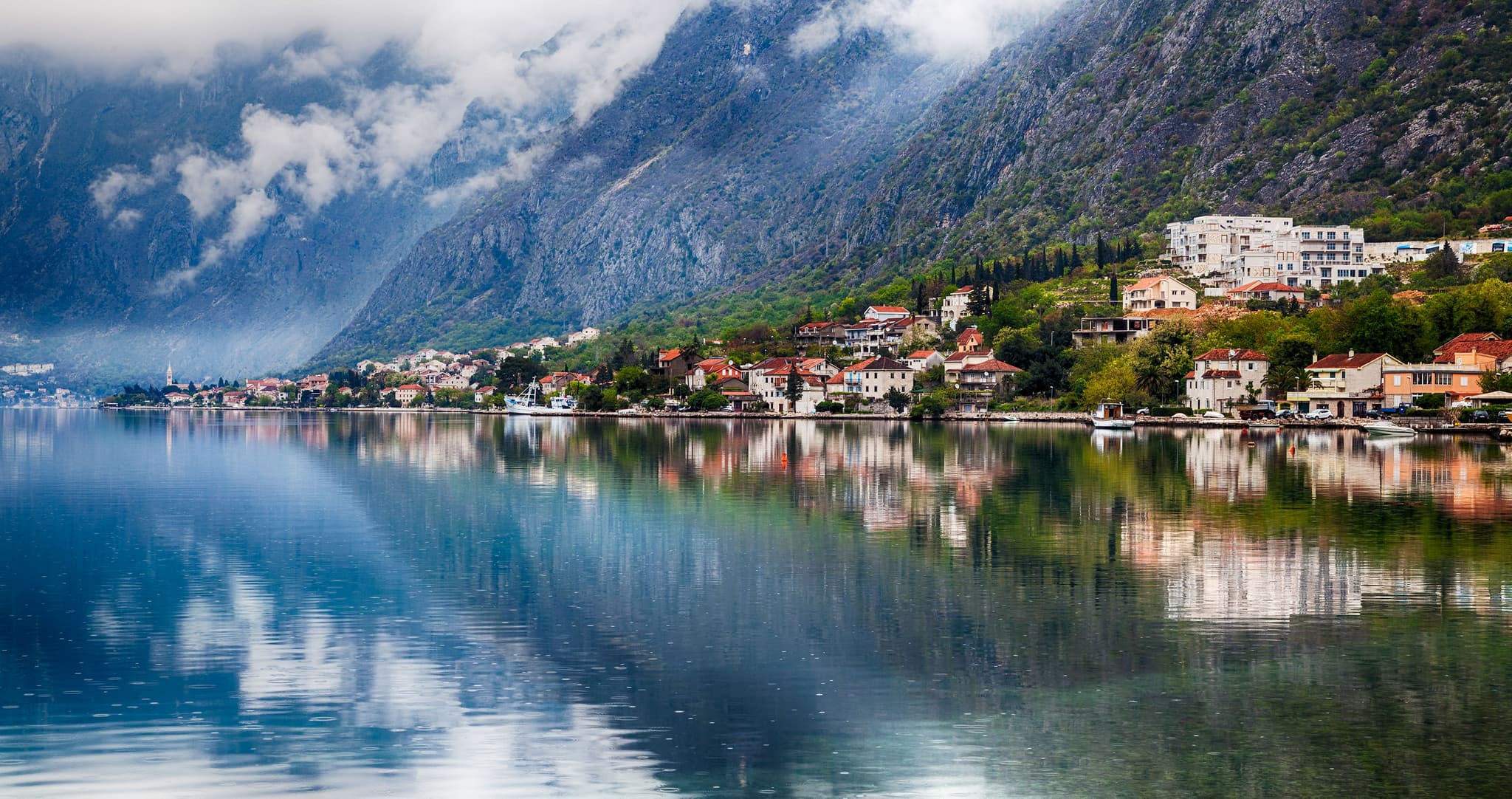
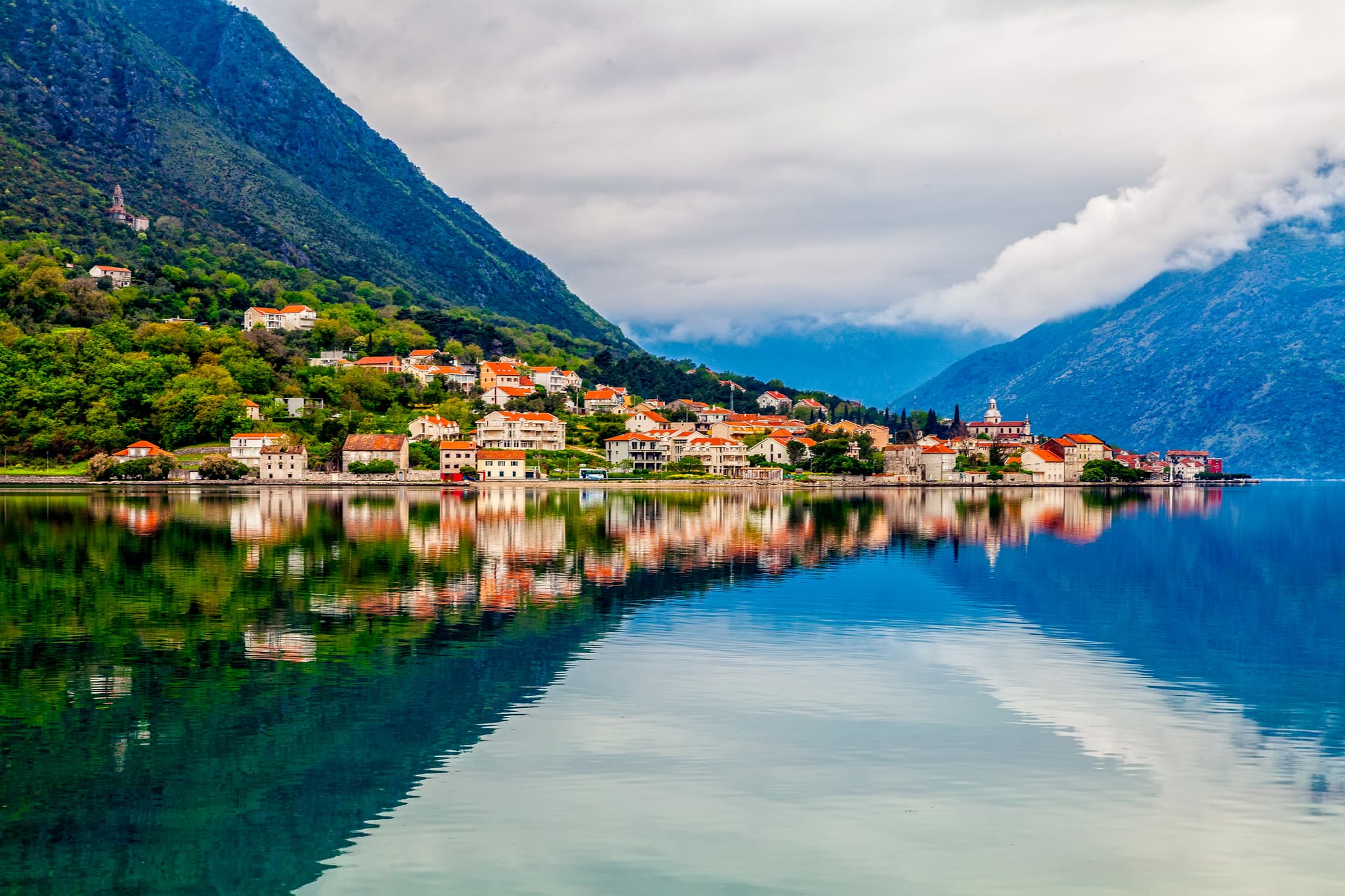
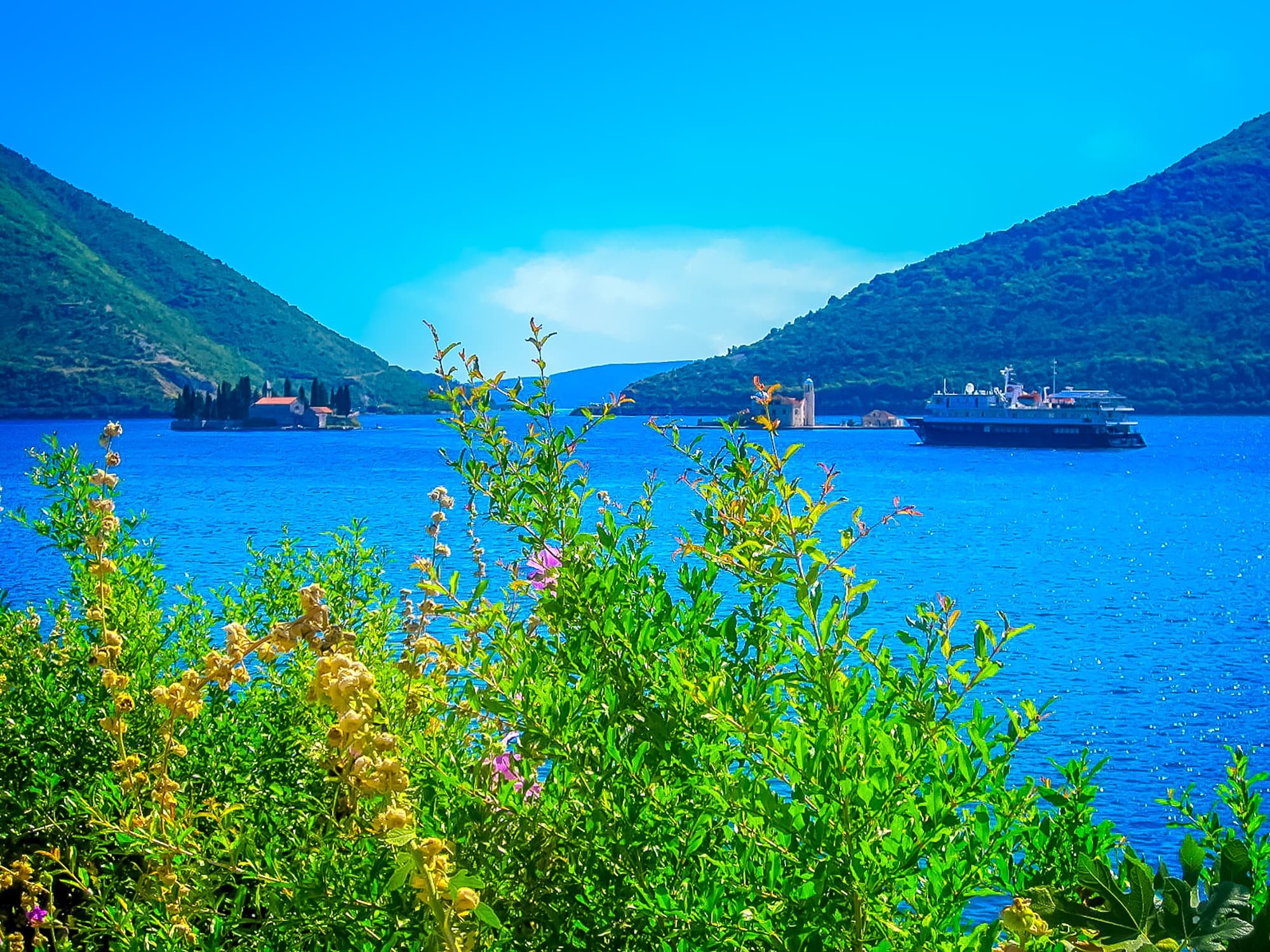
Perast is one of those places that makes you question whether you have accidentally stepped into a painting. This tiny town -- home to fewer than 300 permanent residents -- sits on the edge of the Bay of Kotor like a perfectly preserved stage set, its stone palaces and bell towers reflected in wa...
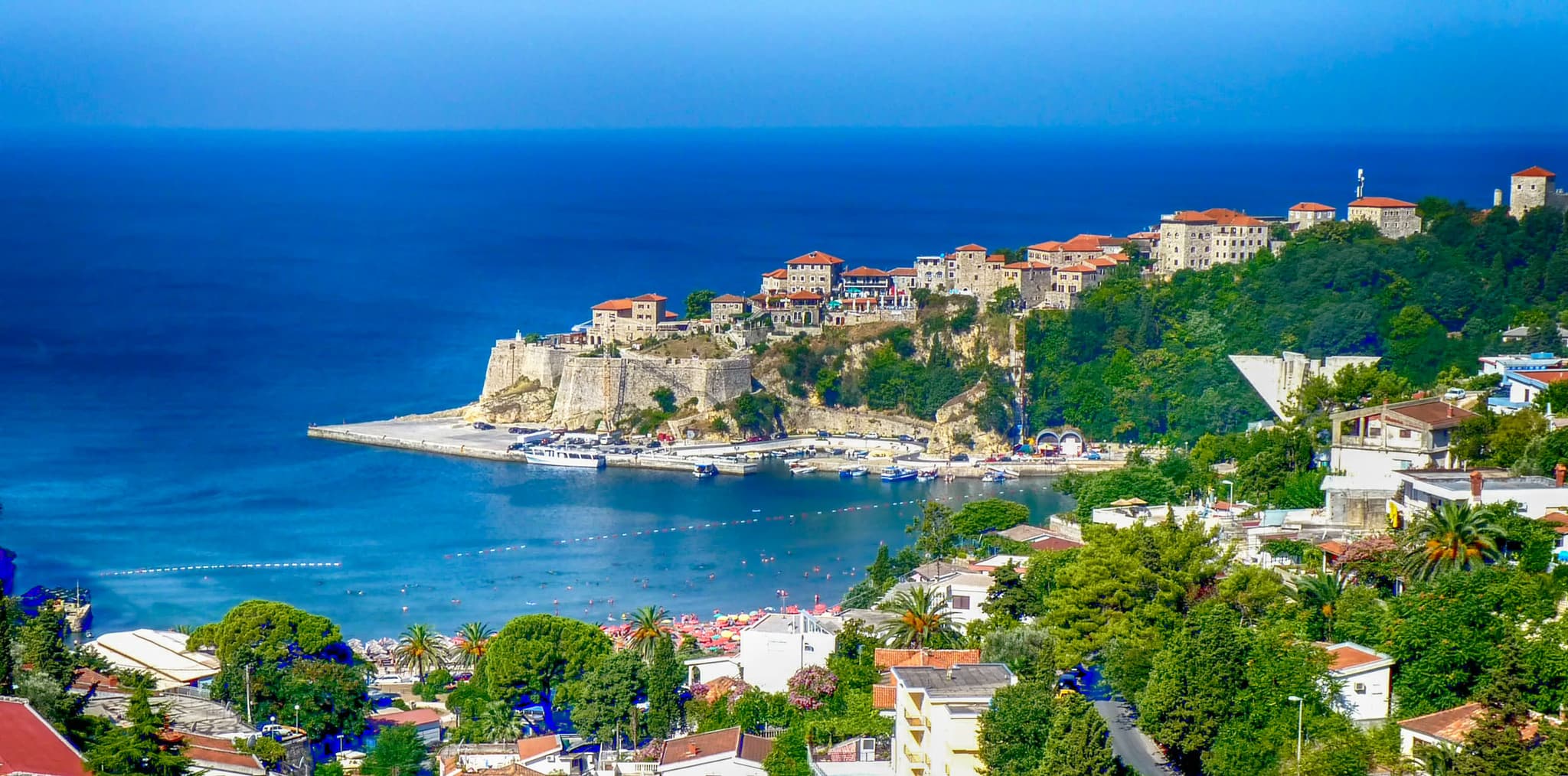
Few places on the Mediterranean can match what Ulcinj delivers. This is a town where Illyrian fortress walls meet Ottoman minarets, where the call to prayer drifts over a turquoise bay, where a 13-kilometre beach of dark sand stretches toward the Albanian border, and where flamingos wade through ...
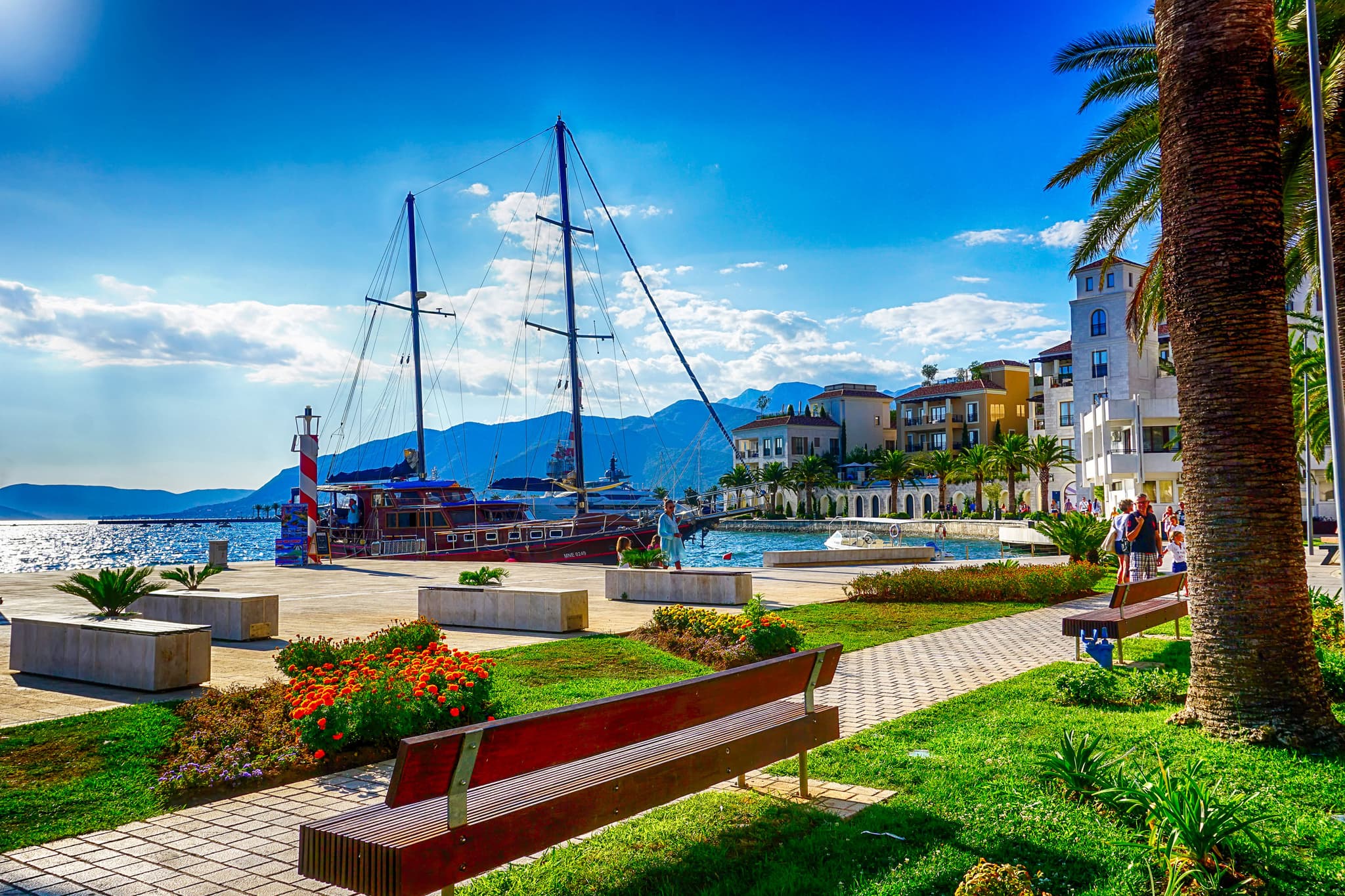
Tivat is a town that defies expectations. For decades, it was little more than a quiet stop on the Bay of Kotor, overshadowed by its medieval neighbor Kotor and the beach-party reputation of Budva. Then Porto Montenegro happened. A decommissioned naval shipyard transformed into one of the Mediter...
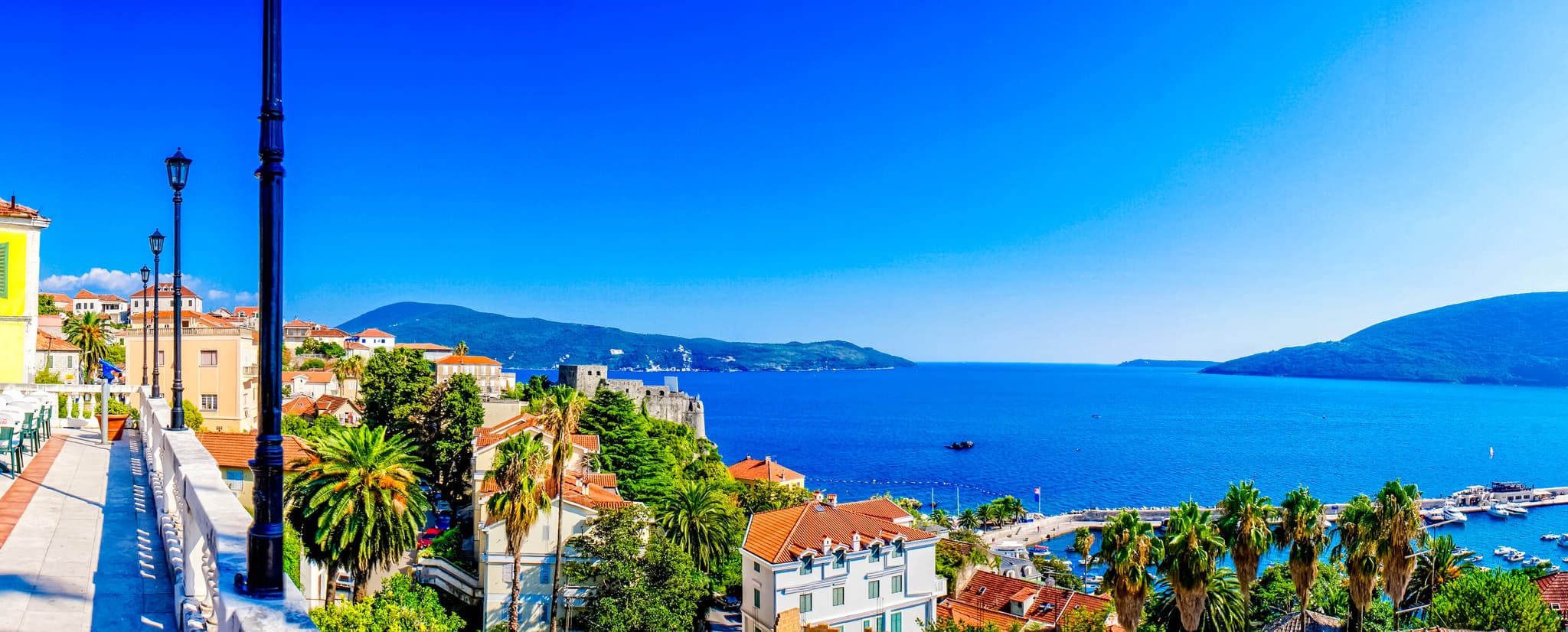
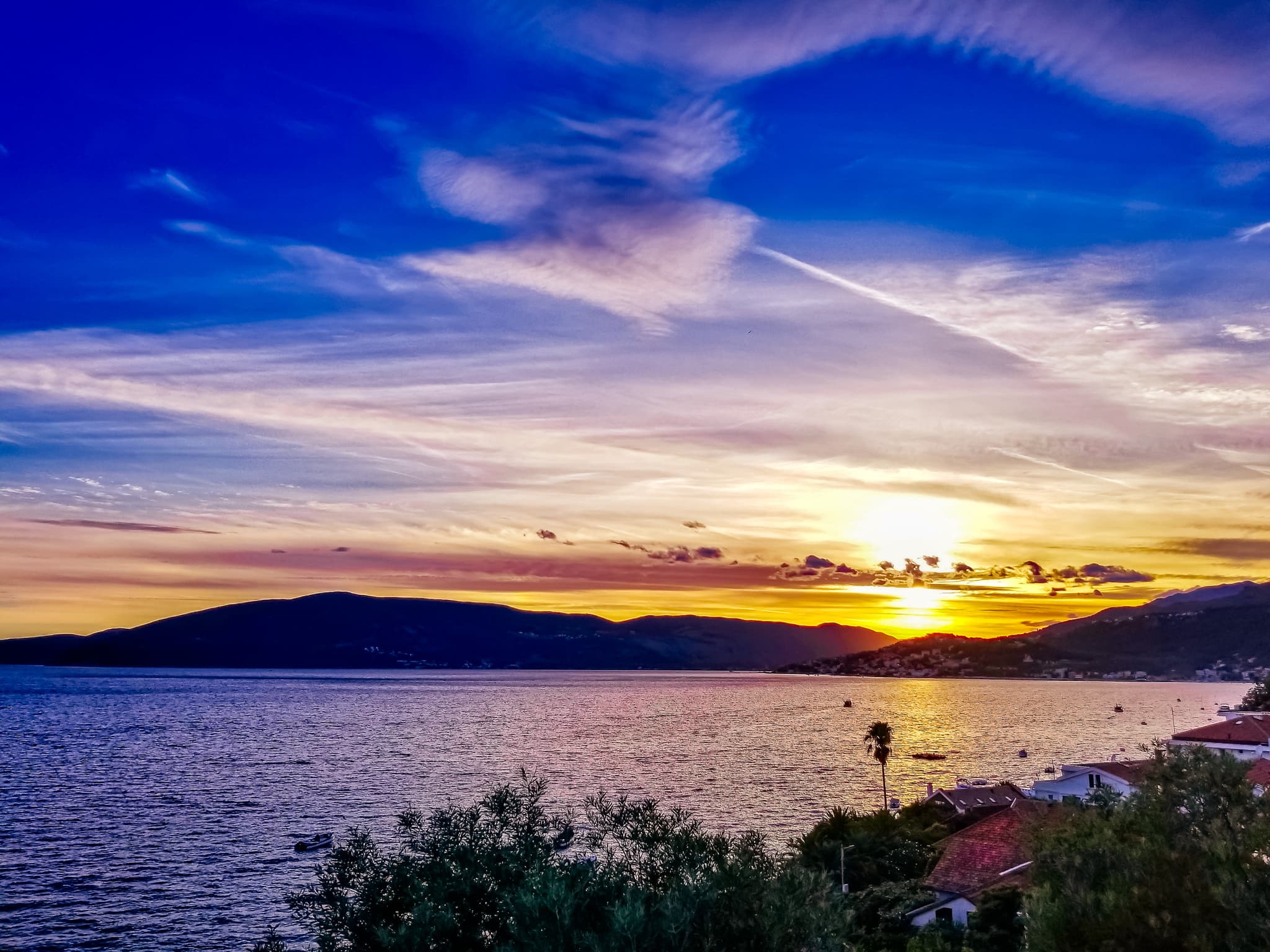
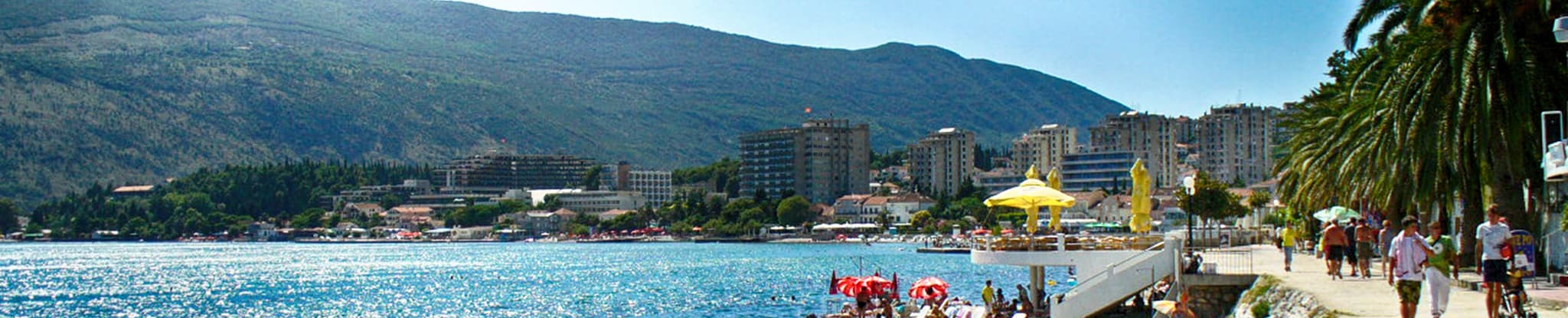
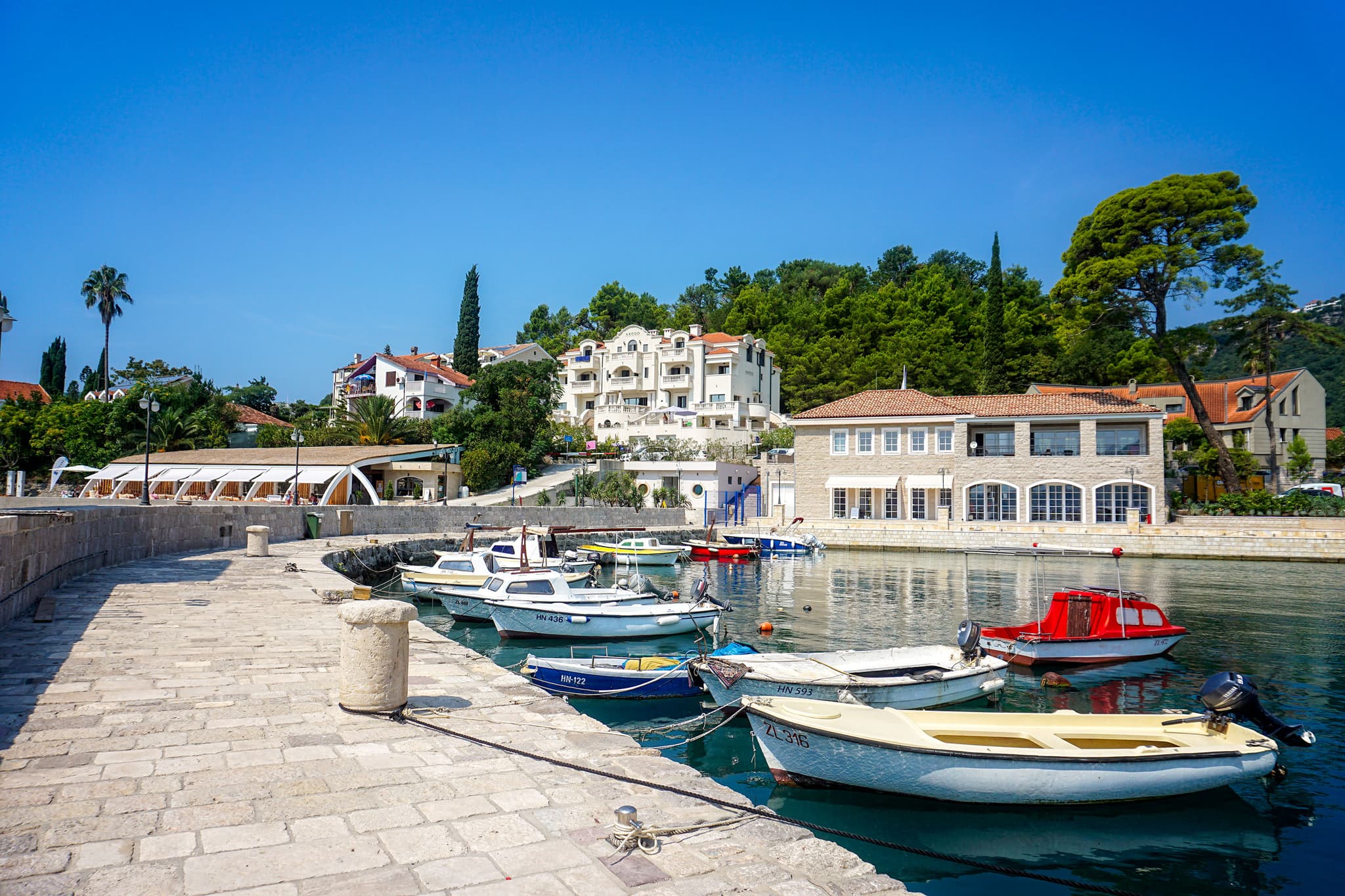
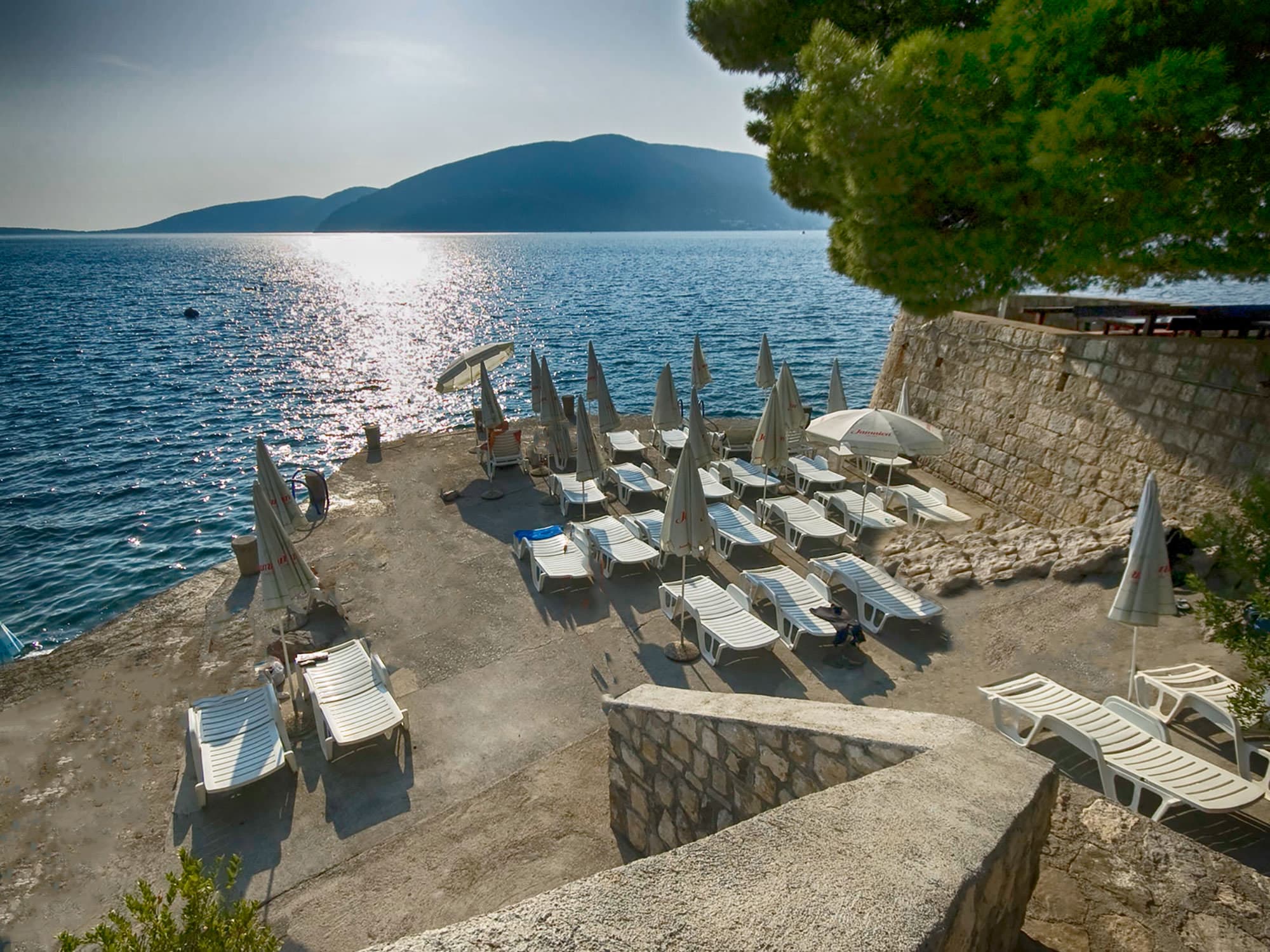
Perched where the Adriatic meets the Bay of Kotor, Herceg Novi is a cascading botanical garden of a city where ancient fortresses rise from lush Mediterranean greenery and steep stone stairways wind past palm trees, orange groves, and centuries-old churches. With around 200 sunny days per year an...
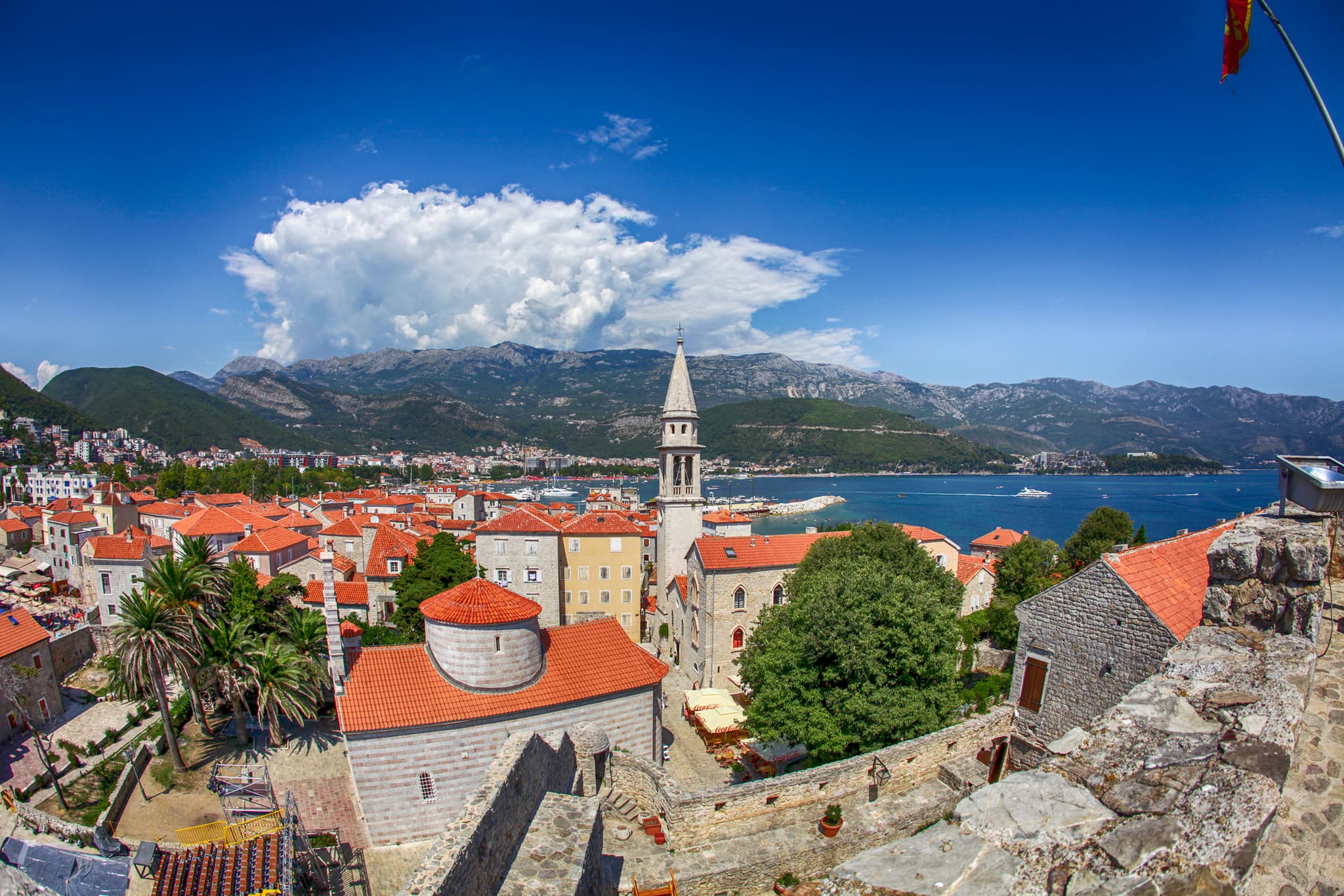
Budva is the beating heart of Montenegrin summer. Perched on a rocky peninsula that juts into the Adriatic, this ancient town — one of the oldest settlements on the entire coast, with roots stretching back 2,500 years — manages to be both a living museum and the undisputed party capital of the Ba...
.webp&w=2048&q=75) Cities
CitiesVilusi is a small highland settlement on a karst plateau between Nikšić and the Bosnian border, notable for WWII partisan battle sites, traditional highland life, Somina Lake, and Yugoslav memorial art set against a stark and beautiful karst landscape.
CitiesDragalj is a remote karst plateau between Risan and Nikšić, featuring spectacular limestone formations, abandoned stone shepherding settlements, and an off-grid landscape of extraordinary beauty — one of the most geologically dramatic and least-visited places in Montenegro.
.webp&w=2048&q=75) Cities
CitiesMateševo is a mountain village on the Podgorica-Kolašin highway, serving as the gateway to the spectacular but little-known Mrtvica Canyon. Nearby attractions include Morača Monastery and the dramatic Morača river gorge.
 Cities
Rumija is a 1,594m mountain rising directly behind Bar and Ulcinj on Montenegro's southern coast. Its summit offers panoramic Adriatic and Lake Skadar views, while the slopes encompass Mediterranean olive groves, forests, and the remarkable ruins of Stari Bar.
 Cities
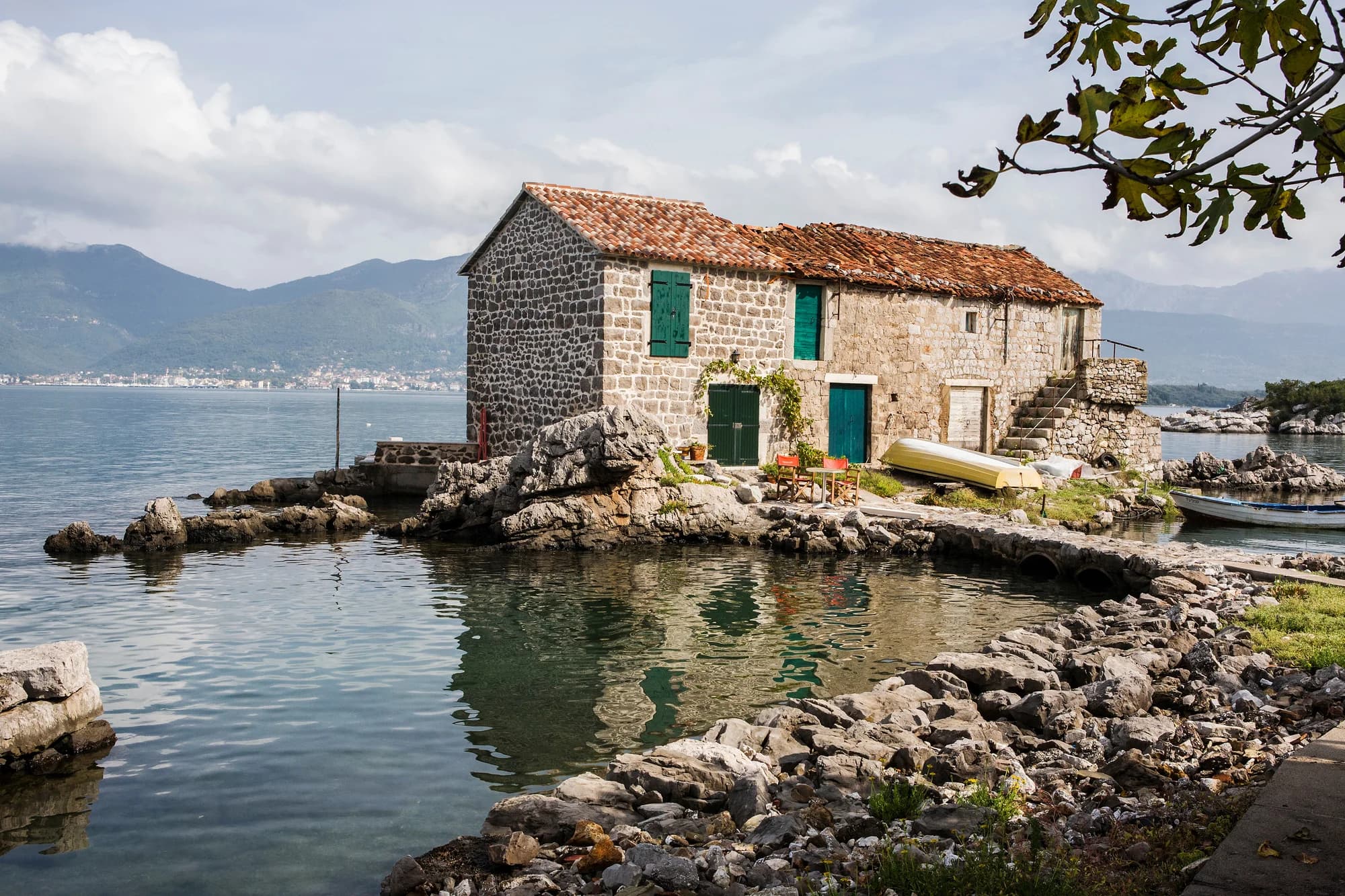
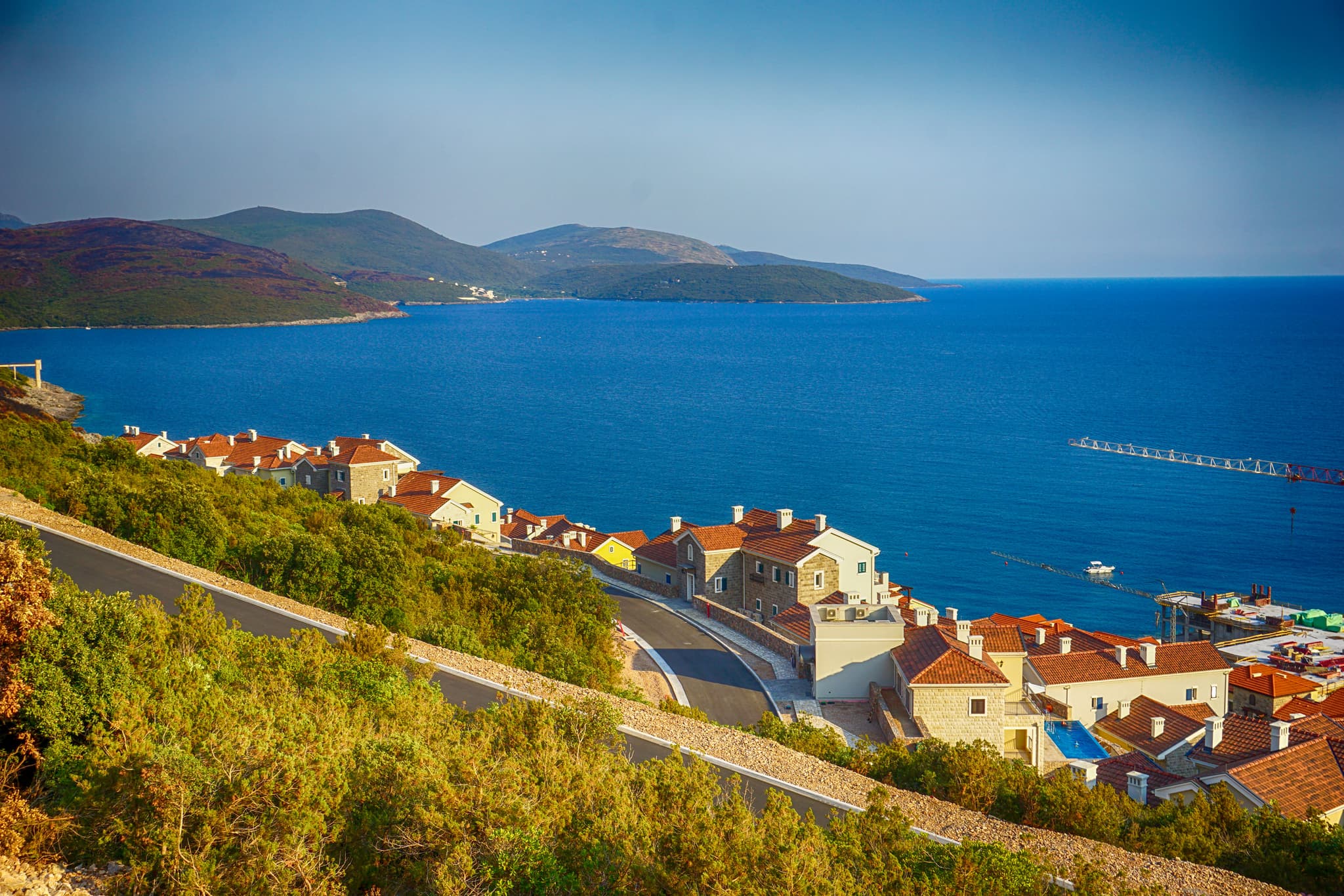
Bjelila is a quiet coastal settlement on the Luštica Peninsula near Tivat, featuring traditional stone houses, ancient olive groves, hidden beaches, and some of the clearest water on the Montenegrin coast — a Mediterranean experience in its most unspoilt form.
.webp&w=2048&q=75) Cities
CitiesMurino is a small highland town in northeast Montenegro, positioned in the upper Lim River valley between Plav and Berane. It serves as a northern gateway to the Prokletije mountains, with Hajla peak nearby and traditional highland culture still intact.
 Cities
Spuž is a small fortress town in Montenegro's fertile Zeta River valley, 7km from Danilovgrad and an easy day trip from Podgorica. Its 15th-century Ottoman fortress, local wine cellars, and agricultural landscape offer authentic rural Montenegrin character.
3 articles
3 articles
3 articles


.jpg&w=2048&q=75)




_mncom.jpg&w=2048&q=75)